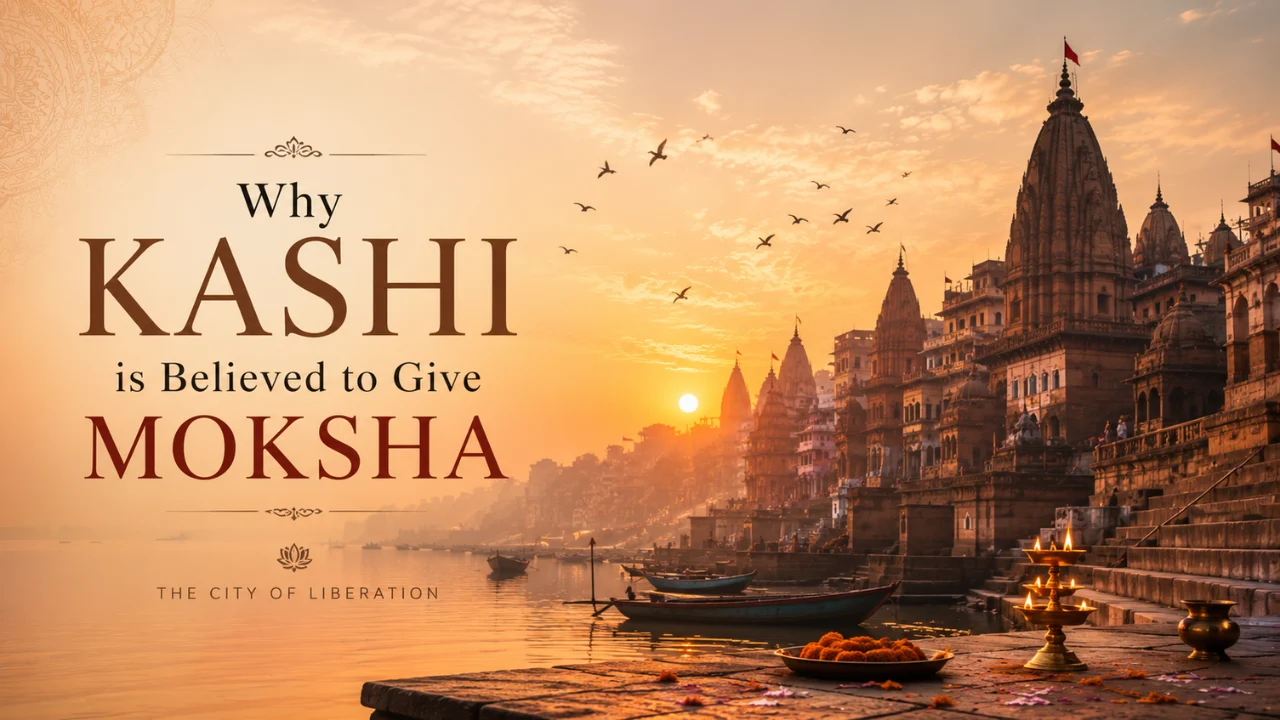
Kashi (also known as Varanasi) is not just a city. For millions of people, it is a gateway between life and liberation.
In Hindu tradition, it is widely believed that those who die in Kashi achieve Moksha, or liberation from the never-ending cycle of birth and death. This idea has been around for thousands of years and continues to influence the faith, emotions, and final wishes of countless devotees.
But why Kashi? Is it just a belief, or is there a deeper logic, story, and spiritual meaning behind it? Let’s have a look at this sacred concept step by step—both emotionally & spiritually.
Table of Contents
What Is Moksha?
Before we can understand Kashi, we must first understand Moksha.
In Hindu beliefs, every soul is born again and again because of its karma, and this continuous cycle is known as Samsara. According to Hindu philosophy, life follows a cycle: Birth → Karma → Death → Rebirth
Moksha means freedom from this cycle. A state where the soul gets free from all worldly attachments and gets united with the divine. In Hinduism, it is considered the highest goal.
Increase your aura energy with this certified 7-mukhi rudraksha pendant
Why is Kashi So Special?
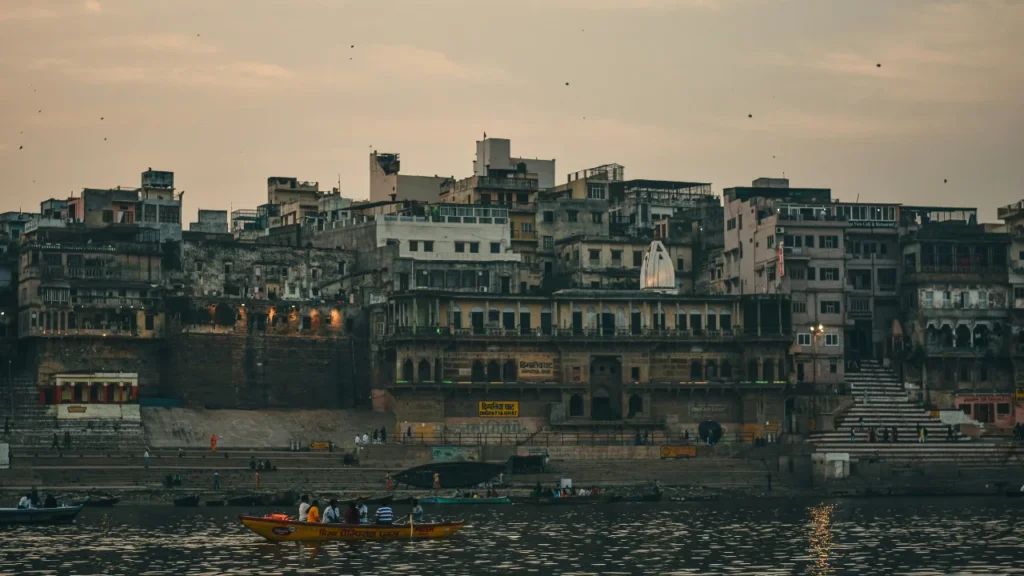
According to ancient scriptures, this is the city of Lord Shiva himself, and he never leaves it. His divine presence protects both the city and those who come here.
Because of this, Kashi is often called the City of Liberation. Many sages and spiritual seekers spend their lives here, believing that every moment this city takes them closer to Shiva.
Lord Shiva and the Gift of Moksha
One of the biggest reasons behind the spiritual importance of Kashi is Lord Shiva.
It is believed that when someone takes their last breath in Kashi, Lord Shiva himself whispers the Taraka Mantra into their ears. This sacred mantra is believed to lead the soul to liberation instead of another birth.
It reflects the deep belief that Shiva personally helps devotees cross the ocean of worldly life.
This is why Kashi is called Mahashmashana—the great cremation ground where ego dies forever.
Story Behind Kashi’s Divine Creation
As per Hindu mythology, Kashi is not built by humans. It was created by Shiva himself.
Some texts say Kashi rests on Shiva’s trident, which makes it different from anywhere else on earth. Because of this, many devotees believe that Kashi exists beyond ordinary time and destruction.
Even as the world goes through the cycle of creation and destruction, Kashi is believed to remain under the protection of Shiva.
Ganga Adds to Kashi’s Power
Ganga is considered the holiest river in Hinduism. In Kashi, taking a dip in the Ganga is believed to wash away sins and purify the soul.
Every morning, thousands of devotees pray at the ghats and offer water to the rising sun. The calm river flow reminds people that life moves on, and eventually, everything returns to the divine.
Why Lord Shiva Chooses Kashi
Shiva lives in Kashi as a detached ascetic, not as a king. He teaches that nothing is permanent in life; even the life itself isn’t permanent.
Unlike other places where death is feared, Kashi teaches acceptance of the reality of life. Here:
- Death is not hidden
- Cremation fires burn day and night
- Life continues alongside death
This constant reminder breaks human attachment and prepares the soul for liberation.
Why Manikarnika Ghat Is So Important
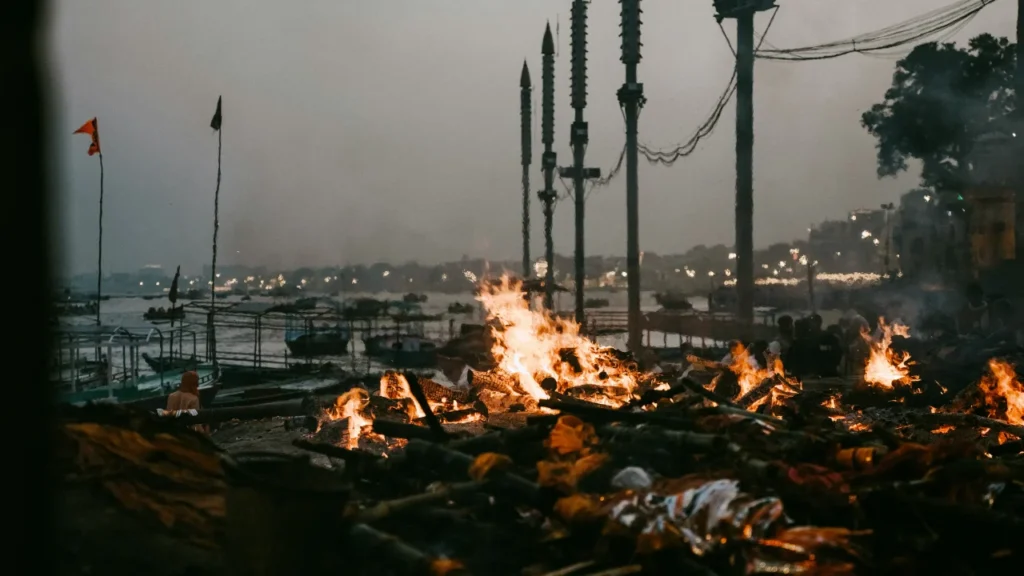
Among all the ghats in Kashi, Manikarnika Ghat holds a special place. This is one of India’s oldest and most sacred cremation ghats.
Funeral pyres burn here day and night, reminding everyone that life is temporary. Here people don’t see death as something frightening but as a step toward spiritual freedom.
Many families bring their loved ones to Manikarnika for cremation, as they believe it leads to moksha for the soul.
Meaning Behind Death in Kashi
Many people misunderstand the belief about dying in Kashi.
This doesn’t imply that one can live however they choose and still achieve liberation automatically. Hindu teachings also emphasize good karma, devotion, compassion, and self-realization.
It is believed that Kashi offers an excellent spiritual atmosphere, where a sincere soul can depart this world peacefully while remembering God.
Therefore, faith, devotion, and one’s actions are all essential.
Role of Kashi Vishwanath Temple
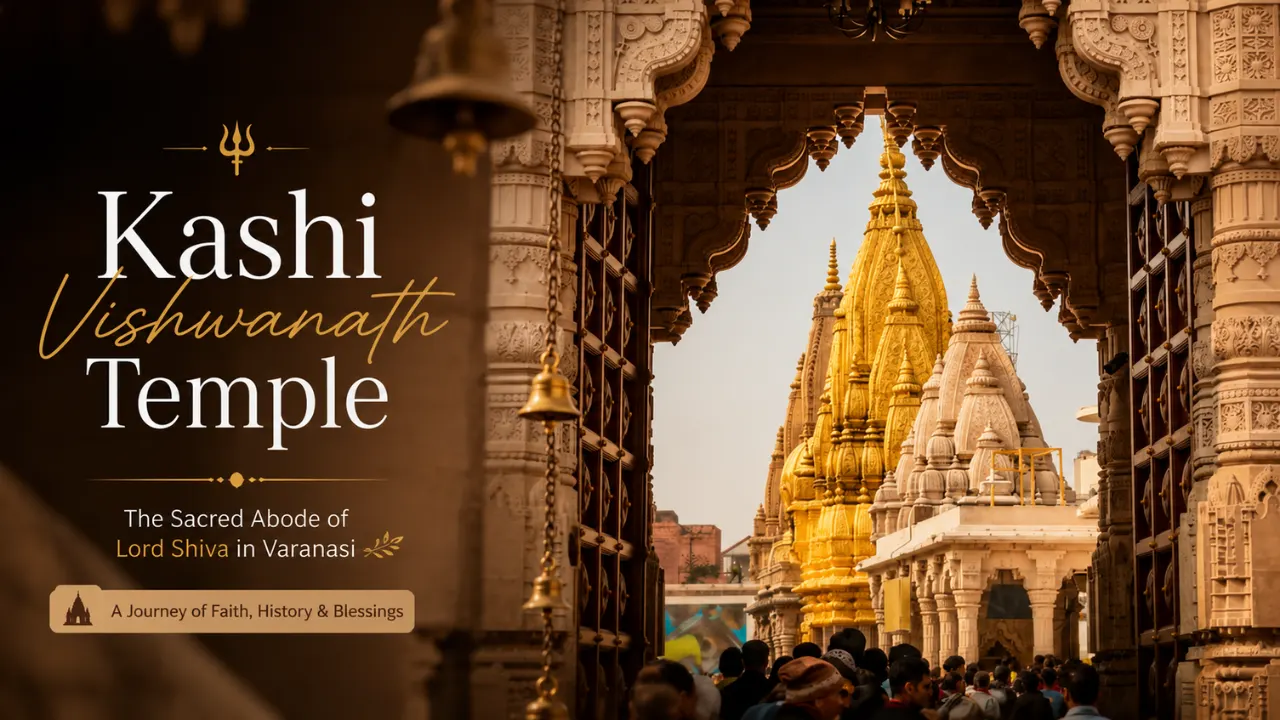
In the heart of the city is the famous Kashi Vishwanath Temple, one of the twelve Jyotirlingas dedicated to Lord Shiva.
Millions of devotees come to this temple every year seeking blessings, peace of mind, and spiritual guidance.
For many, going to the temple is not just about praying but about feeling closer to the divine presence that Kashi is known for.
What Do Hindu Scriptures Say?
Kashi’s greatness is mentioned in several ancient texts.
The Kashi Khanda of the Skanda Purana describes the city as the holiest place on Earth. Other scriptures like the Shiva Purana also praise Kashi as Lord Shiva’s eternal home.
These texts explain that true devotion, spiritual knowledge, and God’s grace together help the soul move towards liberation.
Lessons We Can Learn from Kashi
Kashi does not promise Moksha casually. It prepares the soul for it. It teaches us:
- Life is temporary, so value every moment.
- Good karma always matters.
- Inner peace is more valuable than material success.
- Remembering God brings strength during difficult times.
- Death is a natural part of life, not something to fear.
Kashi reminds us that true liberation comes with our understanding of life, not with death.