
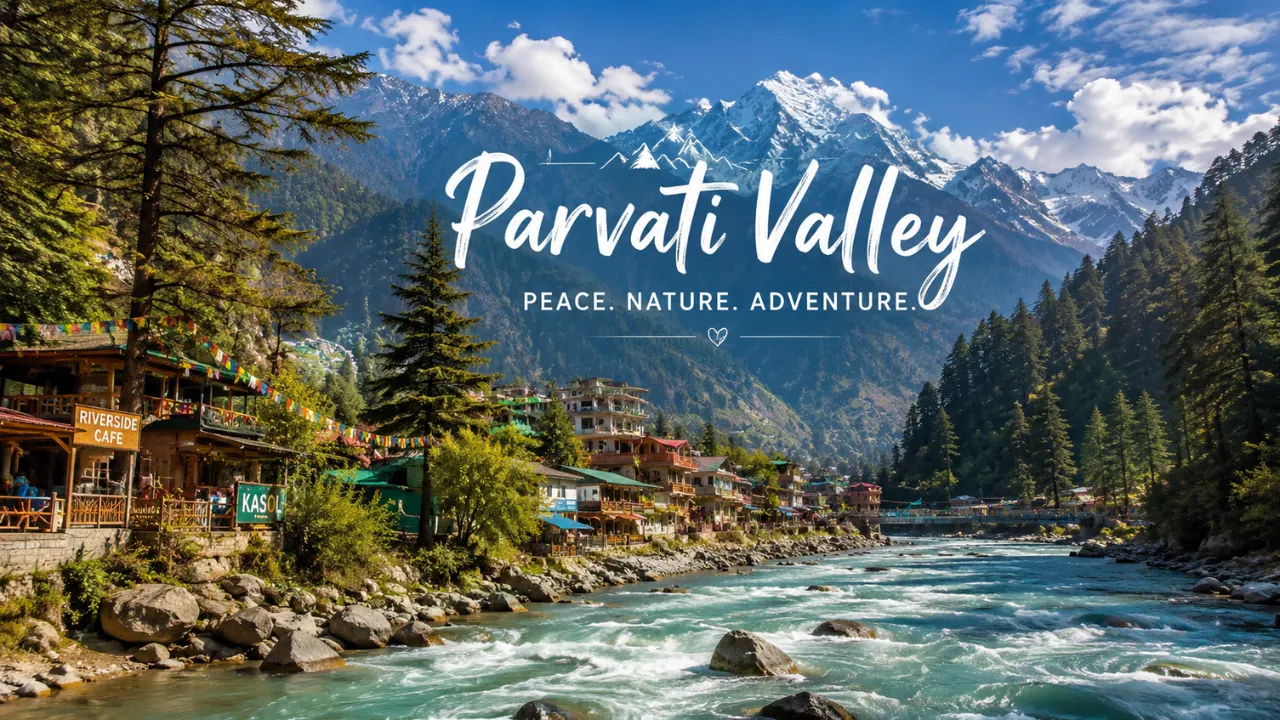
The trip to Parvati Valley is one you’ll never forget.
Imagine crossing a wooden bridge in front of snow-capped mountains, enjoying a hot cup of tea on the banks of the Parvati River, watching clouds float over tiny villages, and ending the day under a starry sky.
It’s a place that offers adventure, peace, scenic beauty, and a break from everyday life. So let’s discover its most beautiful places, must-do experiences, and useful travel tips.
Table of Contents
Where Is Parvati Valley?
Parvati Valley lies in the northeastern part of Himachal Pradesh in the Kullu district. This valley follows the beautiful Parvati River, starting from Bhuntar and stretching deep into the Himalayas.
Many popular places are located here, including:
- Kasol
- Manikaran Sahib
- Chalal
- Tosh
- Kalga
- Pulga
- Barshaini
- Malana
- Kheerganga
Each village has its own charm, which makes exploring the valley even more exciting.
Why is Parvati Valley So Famous?
This valley is now becoming India’s favourite destination. It still feels less crowded and offers a little bit of everything. You’ll find:
- Beautiful mountain views
- Crystal-clear rivers
- Peaceful villages
- Easy and challenging treks
- Cozy riverside cafés
- Spiritual places
- Hot water springs
- Amazing sunsets
Unlike crowded hill stations, many parts of the valley still feel calm and untouched.
Best Places to Visit in Parvati Valley
Kasol
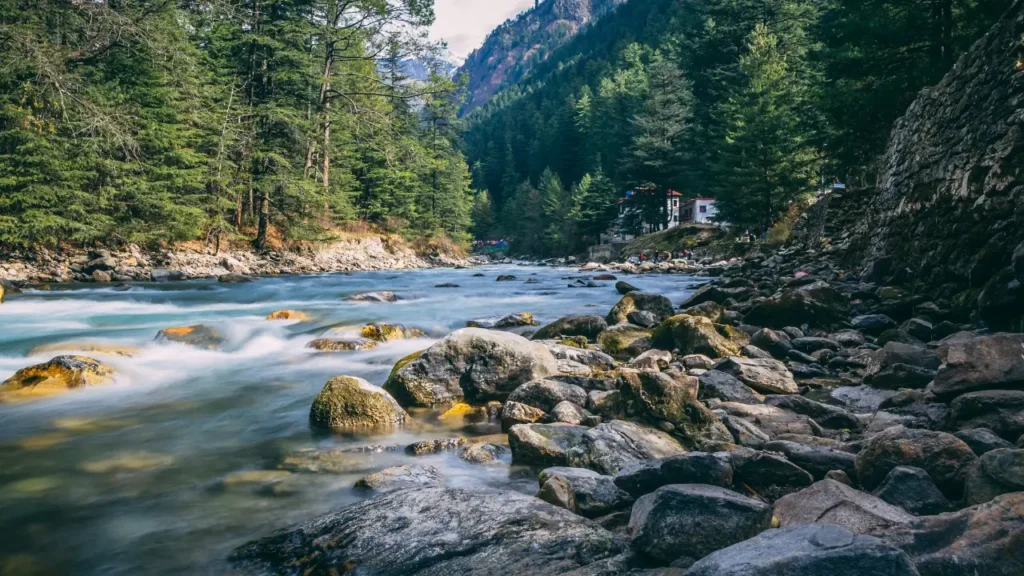
If Parvati Valley had a capital, it would definitely be Kasol.
This small riverside town is a place where many tourists start their journey. You’ll enjoy the riverside walks here, the delicious local food in the cafe, and the local market visits. Spend your evening beside the Parvati River enjoying the sunset view in the mountains.
Things to do:
- Riverside walks
- Explore local cafés
- Try Israeli food
- Visit the flea market
Chalal
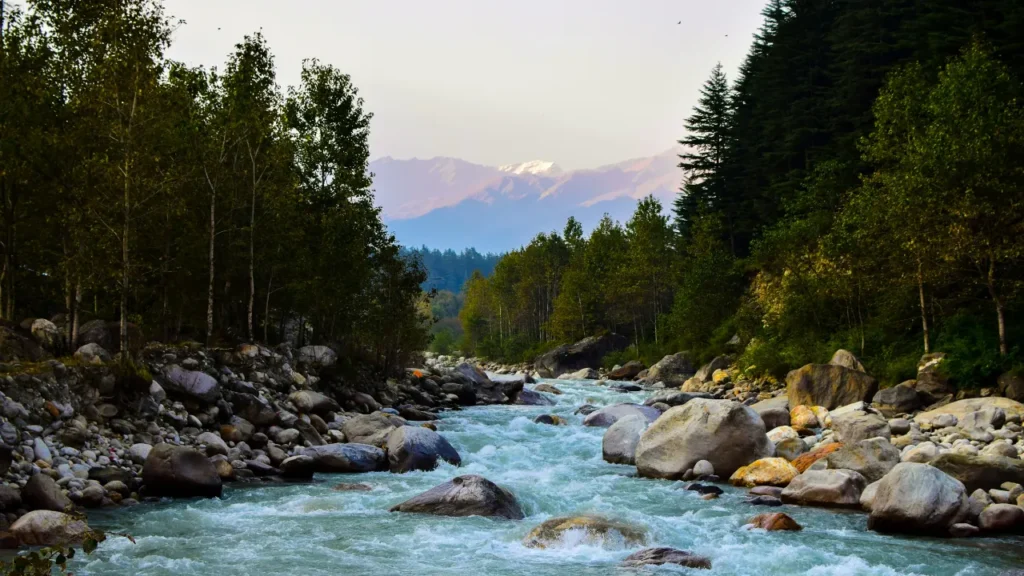
Chalal is a small village that demands you cross the hanging bridge to reach it.
It is perfect for travelers who want to slow down and enjoy nature. You’ll find wooden cottages, cozy cafés, and stunning mountain views. An ideal place to spend a lazy afternoon reading a book, sipping hot coffee, or simply listening to the sound of the flowing river.
Manikaran Sahib
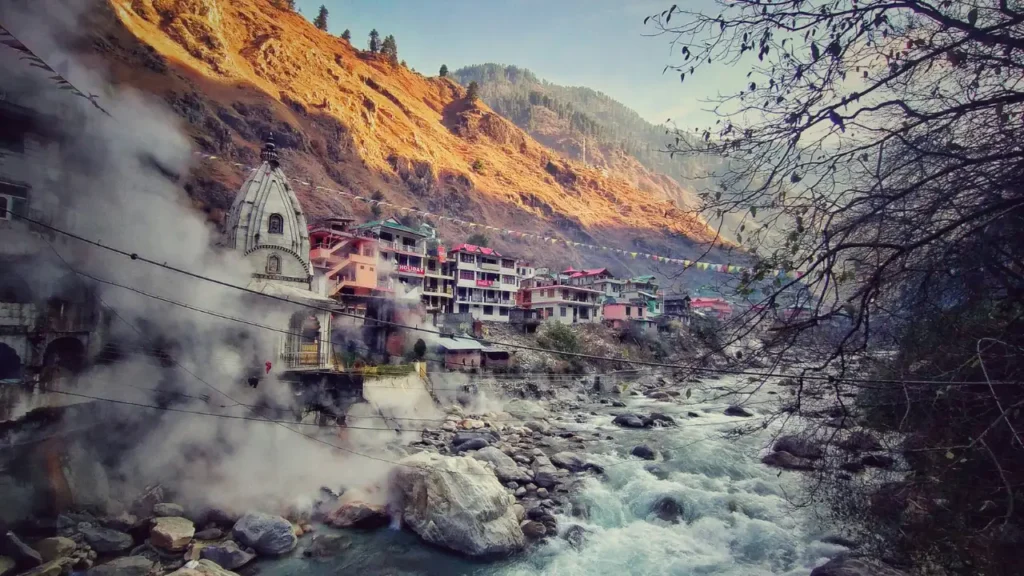
Manikaran Sahib is one of the important pilgrimage sites in Himachal Pradesh, which is around 15 km from Kasol.
The site is famous for its natural hot springs, which remain warm year-round. Pilgrims believe these springs have healing properties.
The Gurdwara serves free langar every day, welcoming visitors from all backgrounds. It’s a peaceful place where spirituality and nature come together beautifully.
Tosh
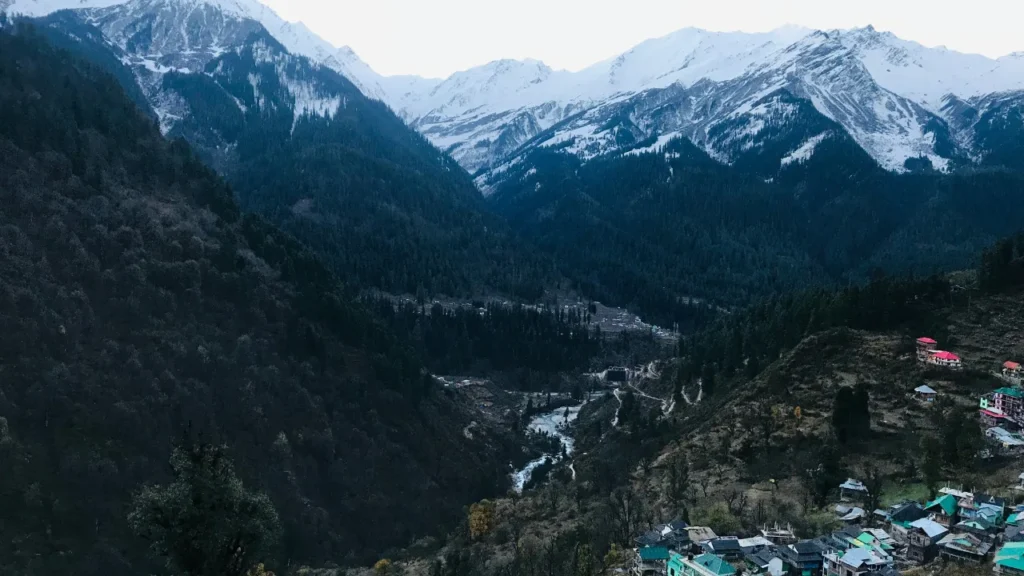
Tosh is a small mountain village that feels like it’s floating among the clouds.
It is one of the most favourite places in Parvati Valley, with small wooden houses, beautiful mountain views, and a peaceful atmosphere.
It’s also the best place for photography. Spend your day relaxing in cafés and exploring the narrow village paths.
Kheerganga Trek
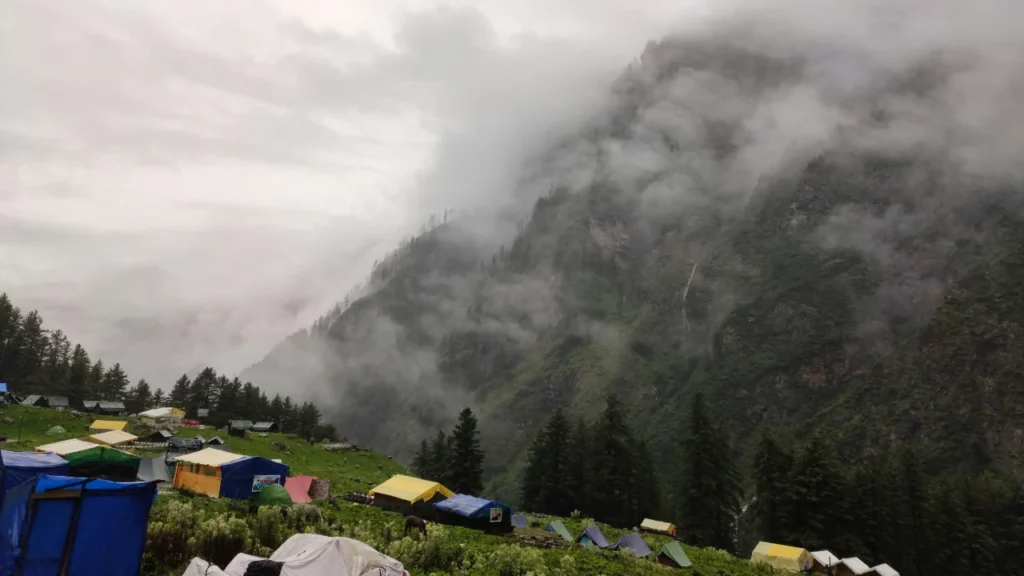
Kheerganga Trek is among the famous treks of Parvati Valley.
This beginner-friendly trek takes you through waterfalls, wooden bridges, forests, and mountain streams before reaching a beautiful meadow surrounded by towering peaks.
The natural hot water spring is the highlight where you can relax and enjoy the amazing Himalayan views.
This trek is around 14 km long and takes around 5-6 hours one way.
Malana
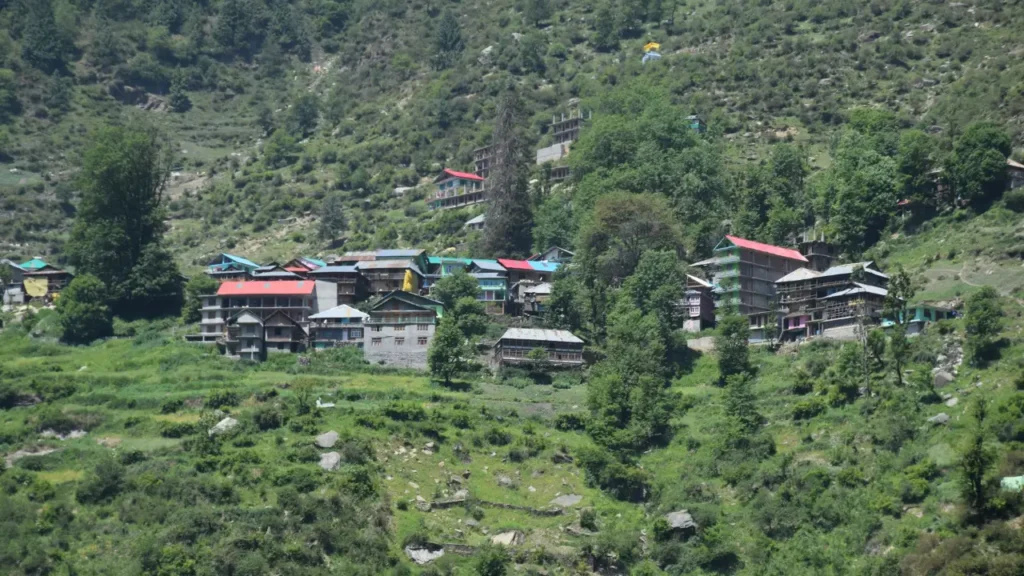
Malana is the unique place of India.
It has its own traditions, customs, and local governance system that has existed for centuries. Visitors are asked to respect local customs, including avoiding contact with certain sacred structures.
Malana is a fascinating experience, offering incredible mountain views.
Kalga, Pulga & Tulga
These small peaceful villages are perfect if you want to slow down.
You’ll get apple orchards, wooden homes, quiet cafés, and beautiful forest trails connecting the villages. If you have time, you can spend a few days here and enjoy the beauty and peace of these places.
Best Things to Do in Parvati Valley
There’s no shortage of experiences here. Some of the best things include:
- Trek to Kheerganga
- Explore mountain villages
- Visit Manikaran Sahib
- Watch sunsets beside the Parvati River
- Camp under the stars
- Try local Himachali food
- Enjoy riverside cafés
- Photograph snow-covered mountains
- Walk through pine forests
- Experience peaceful mountain life
Best Time to Visit Parvati Valley
March to June: One of the best times to visit. The weather stays pleasant, flowers bloom across the valley, and trekking routes are open. This is the perfect time for sightseeing and outdoor activities.
July to September: In monsoon, the valley becomes green. However, heavy rainfall may cause landslides, slippery roads, and travel delays. Travel carefully during this season.
October to November: It’s a wonderful time, as the skies are clear, temperatures remain comfortable, and mountain views are stunning.
December to February: The valley transforms into a snowy paradise. Places like Tosh often receive snowfall, making it ideal for travelers who love winter landscapes.
How to Reach Parvati Valley
By air: The nearest airport is Bhuntar Airport, about 31 km from Kasol. From there you can continue with a local bus or taxi. (Check best offers on flights).
Since the direct flights are limited, so many travelers go to Chandigarh by air and then continue the journey through road.
By train: The nearest major railway station is Chandigarh Railway Station.
By road: Most travelers reach Kasol by road from:
- Delhi
- Chandigarh
- Manali
- Bhuntar
Overnight Volvo buses from Delhi to Bhuntar are a popular option.
Local Food You Should Try
The trip to Parvati Valley is incomplete without tasting the local dishes like
- Siddu
- Rajma Chawal
- Thukpa
- Momos
- Himachali Dham (when available)
- Fresh trout (where locally served)
- Hot chai with mountain views
You’ll also find cafés serving Israeli, Italian, Indian, and continental cuisine
Accommodation Options in Parvati Valley
From budget hostels to cozy homestays and riverside camps, Parvati Valley offers something for every traveler.
- Backpacker hostels in Kasol
- Wooden homestays in villages
- Camps near trekking routes
Booking in advance is recommended during peak season. (Check Best Offers on Hotel Bookings).
Travel Tips for First-Time Visitors
- Carry warm clothes even in summers
- Wear comfortable trekking shoes
- Keep cash as ATMs are limited
- Mobile network coverage may be weak in higher areas
- Start treks early in the morning.
- Respect local traditions and village rules.
Suggested 3-Day Itinerary
Day 1
- Reach Kasol
- Visit Manikaran Sahib
- Explore cafés
- Riverside walk
Day 2
- Trek to Kheerganga
- Relax in the hot spring
- Camp overnight (optional)
Day 3
- Visit Tosh or Kalga
- Explore local villages
- Return to Bhuntar
If you have more time, add Malana and Pulga to your itinerary.
Is Parvati Valley Worth Visiting?
Absolutely.
Parvati Valley is a beautiful place that will slow down your hectic life with its magical views. If you are searching for a destination that combines adventure, nature, culture, and peace, you should definitely give it the top place in your travel list.
FAQs
-
Is Parvati Valley safe for tourists?
Yes. The valley is safe, but you should stay aware of weather conditions, avoid risky trails after dark, and respect local guidelines.
-
How many days are enough for Parvati Valley?
3-5 days are ideal to explore the beautiful villages of the valley.
-
Is Parvati Valley suitable for families?
Yes. Places like Kasol and Chalal all are family-friendly.
-
Can beginners do the Kheerganga Trek?
Yes. The Kheerganga Trek is considered beginner-friendly.
-
What should I pack for Parvati Valley?
Pack warm layers, trekking shoes, a rain jacket (especially during monsoon), sunscreen, a reusable water bottle, basic medicines, cash, and a power bank.