
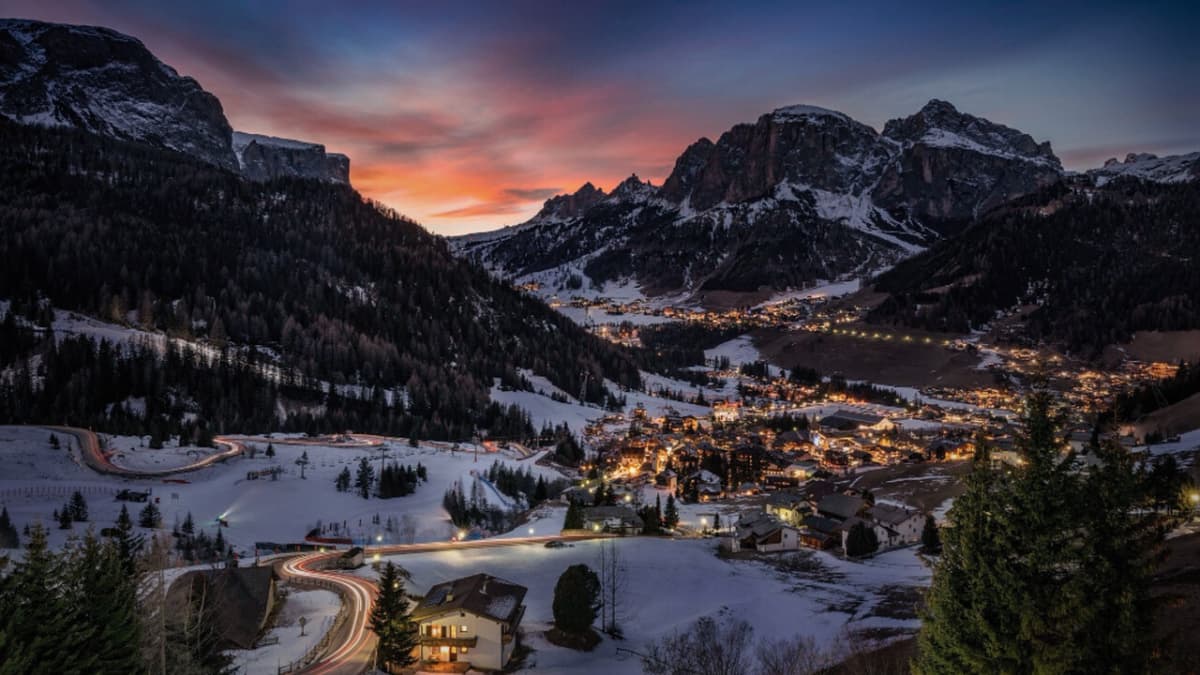
Manali isn’t a destination to speed through. It’s a place that encourages you to slow down, look around, and feel. The first thing you notice when you arrive is the air, which is cool and clean and smells like pine and snow. The second thing is the silence, which is not complete but lovely, with the sound of a rushing river, rustling leaves, and distant bells from a temple hidden among the trees.
This Manali travel guide is intended for individuals seeking more than simply information. It is for individuals who want to close their eyes and envision Manali in the mornings, evenings, and calm moments in between.
Table of Contents
Why Manali Is One of the Best Tourist Destinations in India
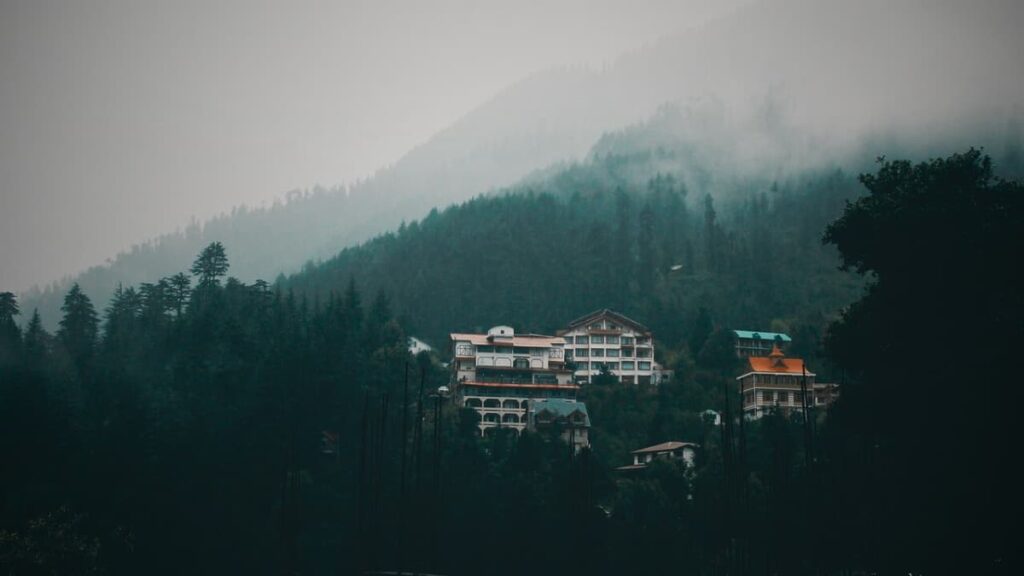
Manali is located in Himachal Pradesh’s Kullu Valley, resting peacefully along the banks of the Beas River. Surrounded by high mountains and deep deodar woods, the town feels inherently safe, as if the Himalayas themselves are keeping watch. At an elevation of over 2,000 meters, Manali feels remote—not just from cities, but also from the hectic pace of modern life.
Manali’s ambiance, like its geography, sets it apart. Time seems to move slowly here. Mornings begin with mist rising from the valley, afternoons shine with beautiful mountain sunshine, and evenings slowly descend with a cool breeze. Even the roads seem calmer, curving slowly past forests and communities devoid of haste.
The Seasons of Manali: How the Same Place Feels New Every Time
Manali’s appearance changes with the seasons, and each variation feels like a new chapter in the same wonderful story.
Summer in Manali: Fresh Air and Endless Green Views
Between March and June, Manali feels open and hospitable. The snow gradually melts from the higher hills, rivers run freely, and the valley becomes lush and green. The days are pleasant, making it possible to wander for hours without getting tired. Cafes open their balconies, flowers bloom along the roadsides, and the mountains are clearly visible against the blue skies.
This is the perfect time for families, first-time visitors, and environment lovers to explore without the extreme cold.
Monsoon in Manali: Misty Roads and Quiet Valleys
During the monsoon season, Manali becomes even more intimate. The clouds descend, completely concealing the mountains, making the world seem smaller and quieter. The rain further enhances the valley’s beauty—waterfalls suddenly cascade down the cliffs, the forest’s color deepens, and the air smells fresh and earthy.
The crowds are less during this season, making it ideal for those who prefer quiet, unhurried walks, and long conversations over hot tea while watching the rain outside their window.
Winter in Manali: Snow, Stillness, and Soft Silence
Winter transforms Manali into a dreamlike landscape. Snow blankets the rooftops, trees are frozen in white, and footsteps crunch softly on icy paths.
Mornings are spectacular, with foggy windows and sunshine reflecting off snow-covered slopes. Nights are cold yet quiet, with time spent by heaters sipping something warm.
For many visitors, winter is the most magical time to visit Manali—it feels like a picture destination.
How to Reach Manali
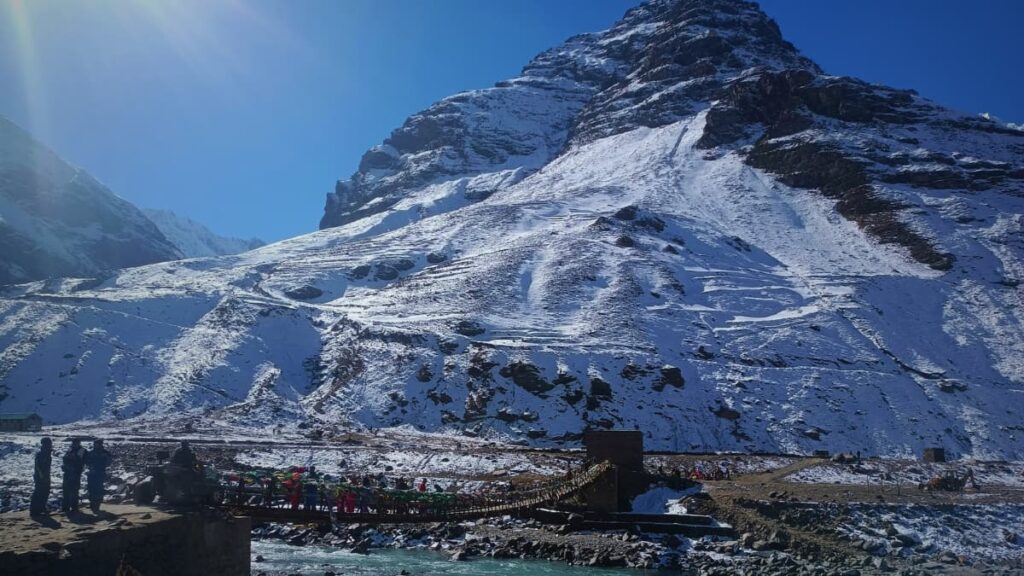
Reaching Manali is more than just reaching at a destination; it is about leaving the noise behind mile after mile. As you come closer, the world transforms.
Buildings give place to hills, which turn into mountains, and the air becomes cooler with each passing hour. By the time you get in Manali, you’ll feel lighter, as if the journey has prepared you for what is ahead.
Regardless of the route you travel, every path to Manali is gorgeous, serene, and deeply connected to nature.
Reaching Manali by Road
Traveling to Manali by road is one of the most beautiful experiences of all. As the vehicle ascends, roads begin to gently curve around rivers and trees. The Beas River frequently flows beside you, sometimes calmly, sometimes rapidly, but always there. Small villages arise suddenly, tea booths welcome weary visitors, and the scent of pine fills the air.
The majority of passengers arrive in Manali by road from Delhi or Chandigarh, either by overnight Volvo buses, private cabs, or self-driven vehicles. Night excursions frequently arrive early in the morning, when mist rises from the valley and the mountains gradually emerge.
This route feels less like travel and more like a gradual transition—from busy city life to mountain stillness.
Reaching Manali by Air
For those who prefer a shorter journey, the nearest airport is Bhuntar, around 50 kilometers from Manali. As the plane lowers, the view from above appears surreal: lush valleys, flowing rivers, and small groupings of houses surrounded by mountains.
The journey from Bhuntar to Manali is equally breathtaking. The path closely follows the river, passing through apple orchards and forested slopes. This last stretch feels calm, almost ceremonial, as if nature is guiding you to the valley’s core.
Reaching Manali by Train
There’s no direct railway station in Manali, but train travel is a unique experience. The nearest major railway stations areChandigarh and Pathankot. From there, the road journey begins, gently ascending through the hills.
This choice is great for travelers who appreciate observing landscapes evolve gradually. The flat fields fade away, hills rise ahead, and the air gets substantially cooler. The road journey following the train feels like entering a completely new planet.
Exploring Manali: Places That Leave a Lasting Impression
Hadimba Devi Temple: Where Nature and Faith Meet
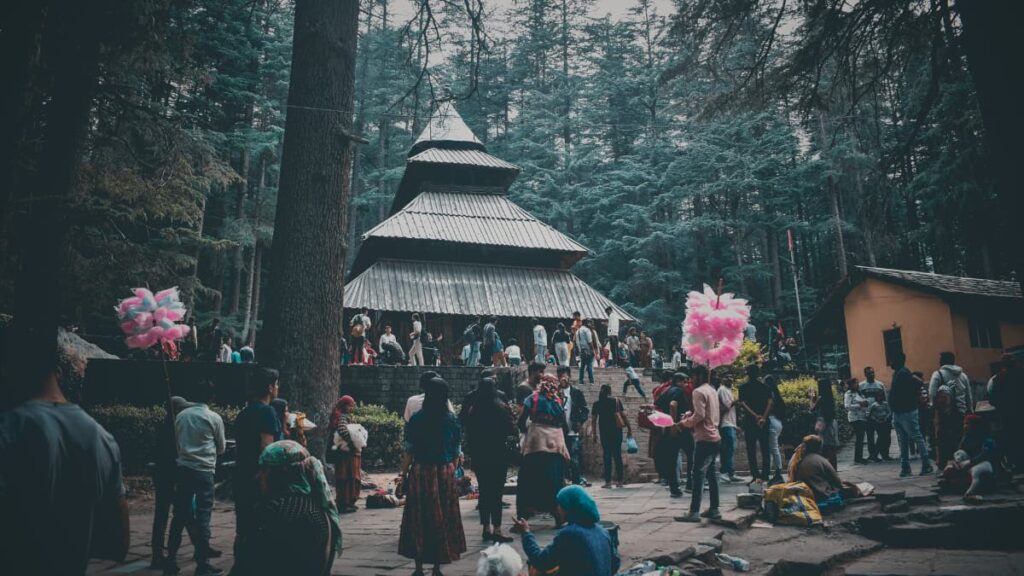
The Hadimba Devi Temple isn’t just a religious site; it’s an experience. Hidden within a pine forest, the temple offers a serene and tranquil atmosphere. The surrounding tall forest filters out the sounds of the city and creates a deeply spiritual atmosphere. The temple’s ancient wooden structure blends seamlessly into the forest, giving the impression of growing from the ground.
Walking here is tranquil, even contemplative, as if the forest beckons you to pause.
Manu Temple: Where the Valley Feels Ancient and Peaceful
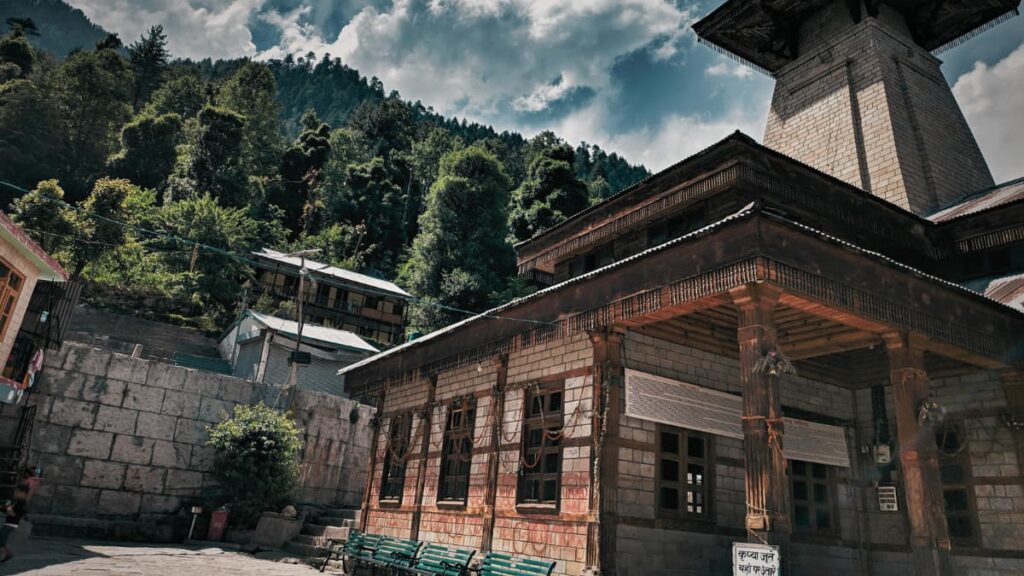
The Manu Temple is located in the quiet neighborhood of Old Manali, surrounded by hills and flowing rivers. Reaching the temple involves a leisurely stroll through narrow lanes, where the houses are few and far between, allowing nature to take its toll. The atmosphere here feels old-world, as if time has flowed differently.
Standing near the temple, listening to the distant mountains and the nearby river, one feels deeply peaceful. It’s a place for meditation, where the valley seems ancient, wise, and tranquil.
Old Manali: Slow Life and Mountain Soul
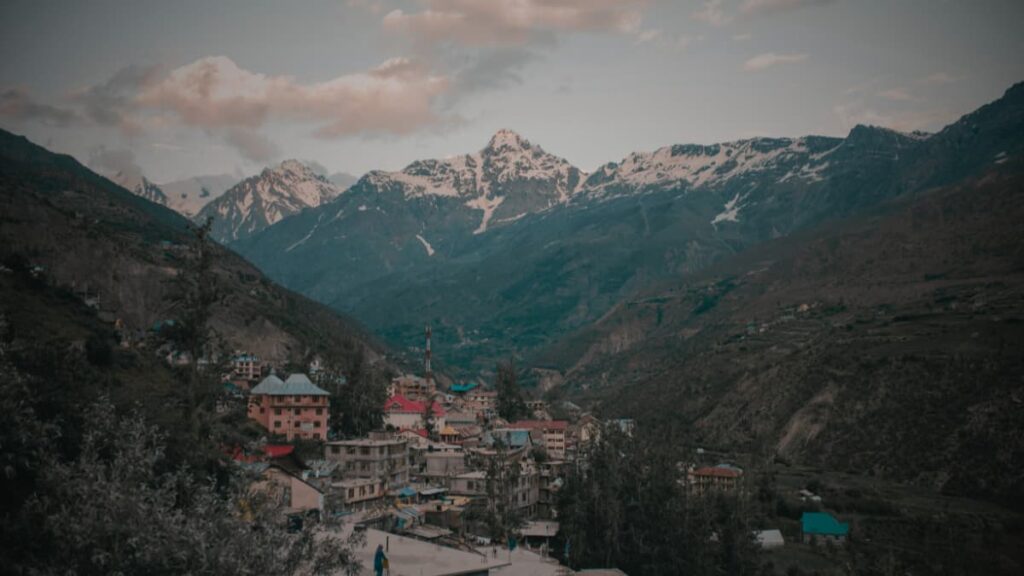
Old Manali feels like a completely different village. Narrow streets, wooden buildings, colorful cafes, and the constant sound of the river create a cozy and friendly atmosphere. Travelers can spend hours in cafes reading, writing, or simply marveling at the mountains.
Life here seems unplanned. The days pass slowly, which is what makes Old Manali so special.
Solang Valley: Open Spaces and Fresh Energy
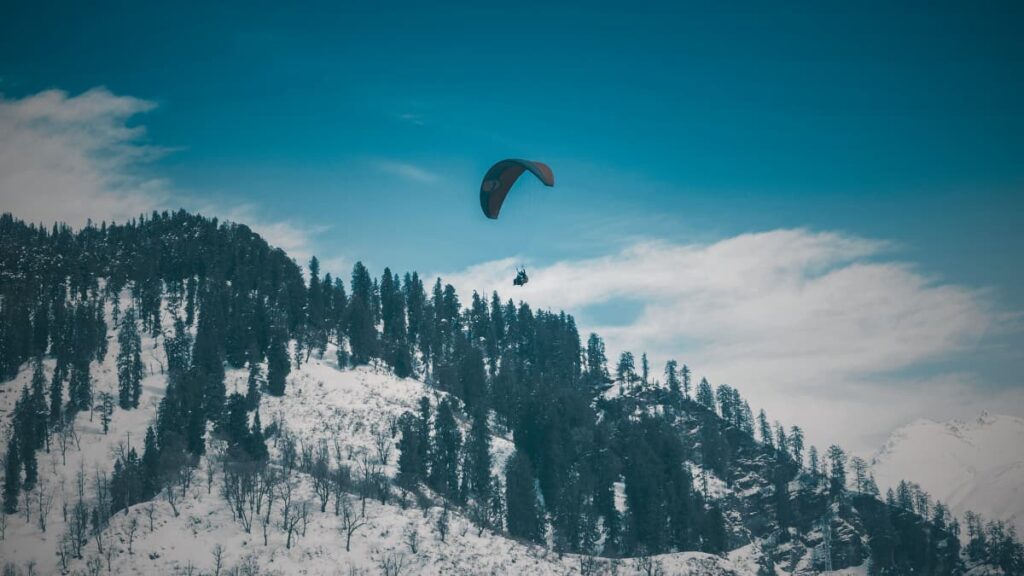
Solang Valley is like a vast natural playground, surrounded by towering peaks. The area is pleasant, with open skies and cool breezes. In summer, the lush green slopes beckon visitors to sit, wander, and admire the views. In winter, the valley transforms into a white space filled with warmth and tranquility.
Whether you partake in adventurous activities or simply stop and explore, Solang Valley makes you feel small in the sweetest way.
Vashisht Village and Hot Water Springs: Warmth Amid Cold Mountains
The village of Vashisht is nestled peacefully above Manali, offering panoramic views of the valley. Its unique charm is the natural hot springs, which flow continuously, even when snow surrounds the village. Steam gently rises from the pools, creating a magical contrast between heat and cold.
The experience of immersing your hands or feet in the warm water and breathing in the cool mountain air is deeply relaxing. The nearby temples and stone houses further enhance the village’s old-world charm, making Vashisht a place that offers relaxation for both body and mind.
Rohtang Pass: Raw Beauty and Endless Snow
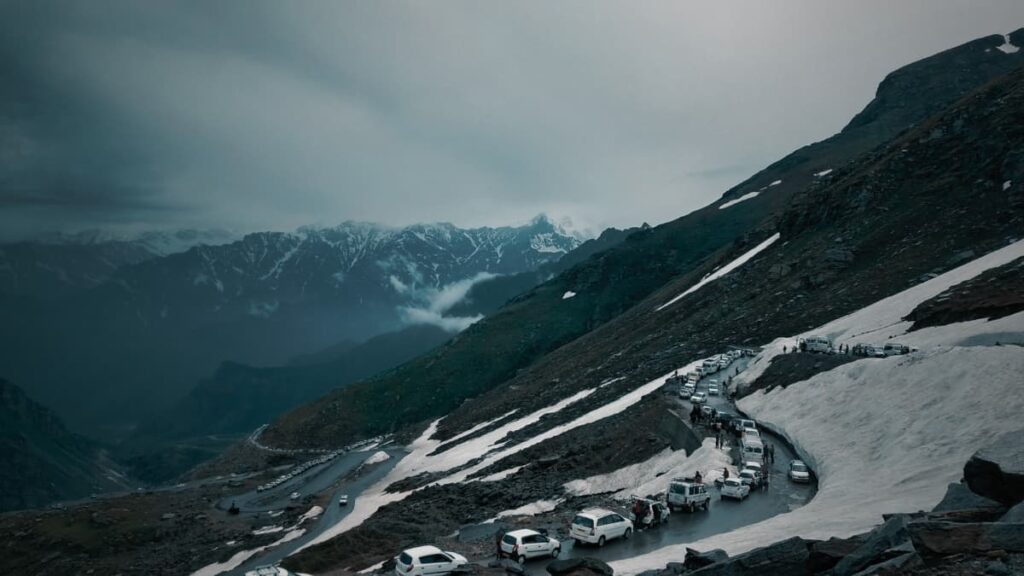
When you reach Rohtang Pass, it’s a breathtaking experience. The snow stretches far and wide, the clouds swirl rapidly, and the air is briskly chilled. The view is unique and breathtaking, reminding you of the vastness of the Himalayas.
Standing at Rohtang, surrounded by snow and tranquility, feels like you’re standing on the edge of the world.
Mall Road: The Lively Heart of Manali
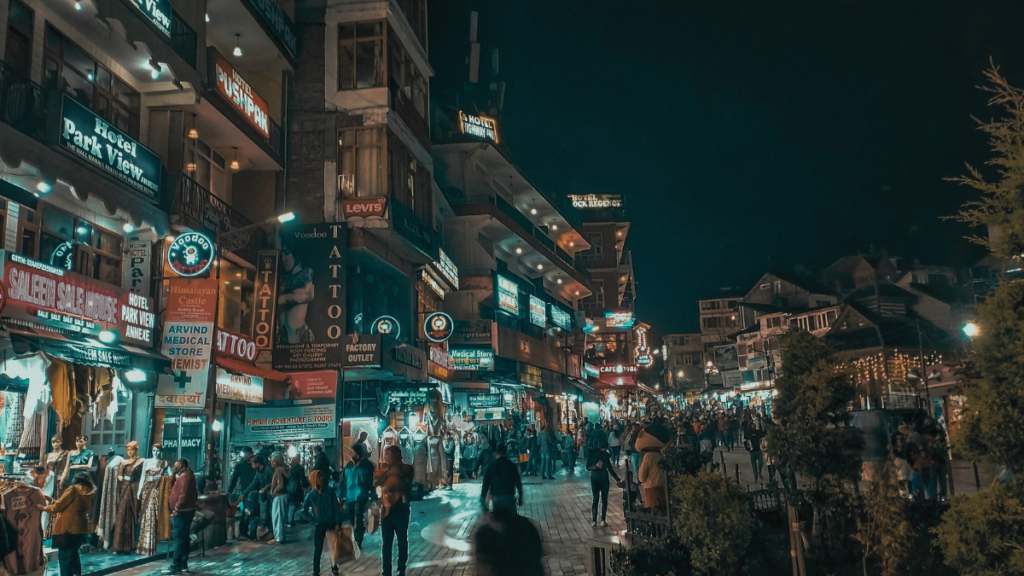
Mall Road is where Manali comes alive in the evening. The street glows in dim lights, and is filled with the sounds of laughter, conversation, and music emanating from nearby shops. Woolen clothes are neatly hung outside shops, street vendors prepare hot snacks, and travelers stroll slowly, enjoying the atmosphere.
Mall Road isn’t just for shopping—it’s for experiencing the energy of Manali. Even a short stroll here with a cup of hot tea in hand is sure to become a memorable experience.
Jogini Waterfall: A Walk Into Quiet Nature
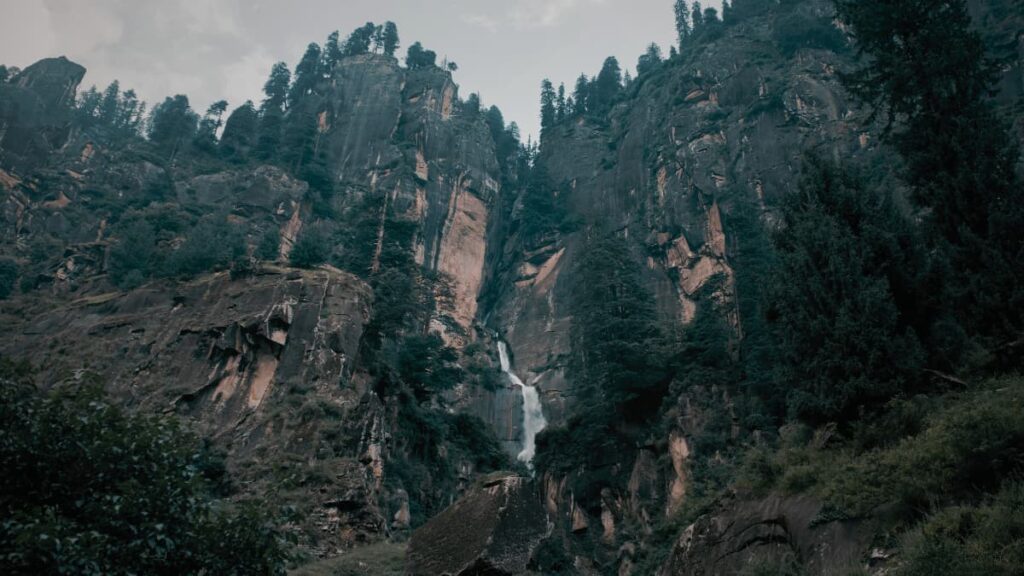
The trail to Jogini Waterfall begins near Vashishtha and gradually descends through wooded paths and open fields. The walk itself is serene, accompanied by the singing of birds and the sound of flowing water. As you approach, the sound of the falling water grows louder.
The waterfall cascades down rocky cliffs, surrounded by greenery and tranquility. This is a place where many travelers choose to sit in peace and let nature speak for itself.
Beas River: The Soul Flowing Through Manali
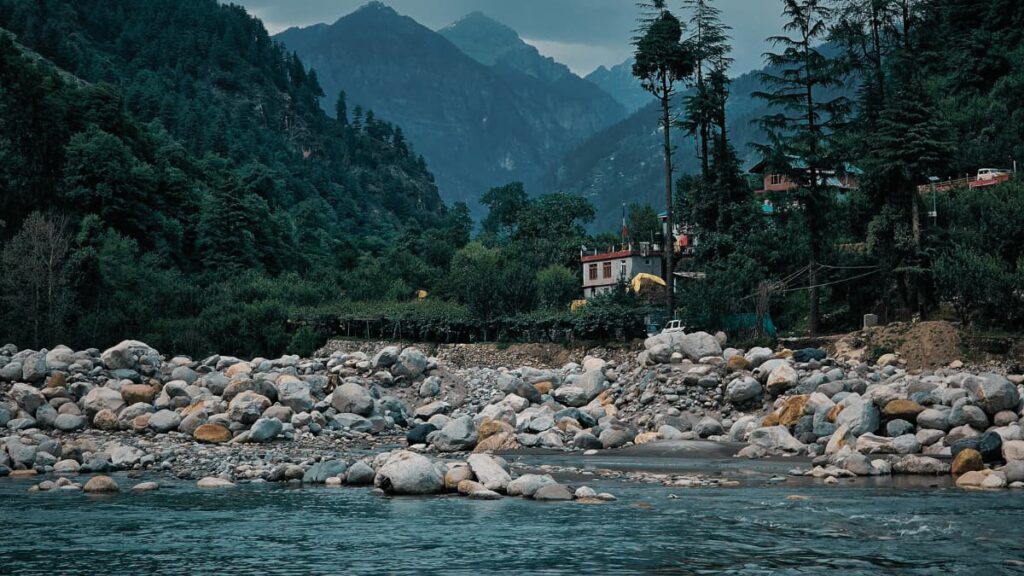
The Beas River flows gently through Manali, creating its landscape and rhythm. Early mornings along the riverbank offer a serene feeling, with mist rising from the water and sunlight gently falling on its surface. Evenings bring a different atmosphere, as the sound of the flowing water blends with the distant city lights.
The river is ever-present, reminding visitors that even in its tranquility, Manali is alive and vibrant.
Naggar Castle: History Framed by Mountains
A short distance from Manali, Naggar Castle stands majestically overlooking the valley. Made of stone and wood, this structure appears sturdy and timeless. From its balcony, the view of the forests and distant peaks is one of the most serene in the region.
Walking through the castle feels like stepping into a serene era, where history and nature coexist.
Things to Do in Manali: Experiences Beyond Sightseeing
Manali is best experienced in moments rather than on a set timetable. Simple activities frequently elicit the strongest memories.
Long walks along the Beas River, calm mornings with tea overlooking the mountains, and evenings spent watching the sky change colors—all of these experiences characterize Manali more than any checklist.
For those seeking adventure, Manali offers:
- Paragliding and river rafting
- Snow activities during winter
- Trekking routes into nearby villages and valleys
The surroundings make each activity feel more meaningful.
Food in Manali: Comfort on a Cold Day
Food in Manali is warm and satisfying. Local cuisine are basic but filling, intended to keep you warm in chilly weather. Cafés serve Indian and foreign cuisine, generally with mountain vistas and gentle music.
Meals here are designed to be taken slowly, frequently while watching clouds drift by the windows.
Where to Stay in Manali: Waking Up to Silence and Mountains
Manali offers a variety of accommodations, including luxury resorts and basic homestays. Mornings, regardless of where you stay, are frequently marked by misty views and cool air. Old Manali exudes tranquility and charm, whereas central parts offer convenience.
Staying in Manali is about the vista outside your window rather than the accommodation itself.
Travel Tips for a Better Manali Experience
- Carry warm clothes in every season
- Walk slowly to adjust to altitude
- Respect nature and local culture
- Keep your plans flexible
Why Manali Stays With You Even After You Leave
Manali is more than just a tourist destination; it is a place to remember. Long after you’ve returned, you remember the sound of the river, the chilly air on your face, and the sense of tranquility that accompanied you about.
Manali teaches you a simple but important lesson: life does not always have to move quickly to be meaningful.
Also Read, Parvati Valley Travel Guide