
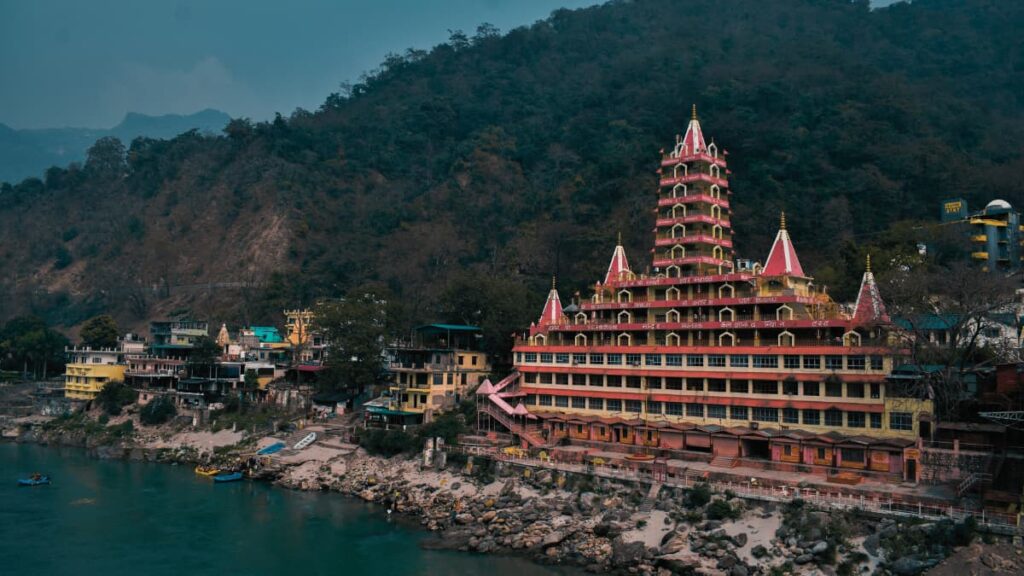
Rishikesh is more than simply a place on a map; it’s a sensation that gradually comes to life when you go there. The name Rishikesh has ancient roots, coming from “Hrishika” meaning the senses and “Isha” meaning the supreme deity. Together, Rishikesh represents “the land where the senses find control under divine guidance.“
As the plains fade away and the Himalayas rise ahead, the air begins to shift. The sound of the holy Ganga flowing with strength and purity drowns out the noise of towns. The moment you step in, the chaos of everyday routines fades away, replaced by temple bells, river chants, and mountain air that feels almost therapeutic.
Known worldwide as the Yoga Capital of the World, Rishikesh attracts spiritual seekers, adventure lovers, backpackers, and peace hunters alike. Temple bells echo softly in the distance, saffron-robed sadhus walk calmly along the streets, and the town seems to move at a rhythm that encourages you to slow down.
Whether you want to meditate in silence, scream your heart out while rafting, or simply sit by the river doing nothing—Rishikesh welcomes you with open arms.
Table of Contents
Why Rishikesh Is a Must-Visit Destination in India
Why is everyone talking about Rishikesh? Because it is one of the few places where spirituality and adrenaline mix beautifully. Imagine beginning your day with riverside yoga and concluding it with adrenaline-pumping river rafting. Does it sound unreal? That’s Rishikesh.
Here, ancient temples and ashrams stand beside rafting camps and trekking trails. Rishikesh allows visitors to disconnect from chaos and reconnect with meaning. Whether someone is seeking spiritual clarity, natural beauty, thrilling experiences, or inner calm, Rishikesh delivers it effortlessly. The town doesn’t force experiences—it allows them to unfold naturally, making every visit deeply personal.
Spiritual Places to Visit in Rishikesh
Triveni Ghat –
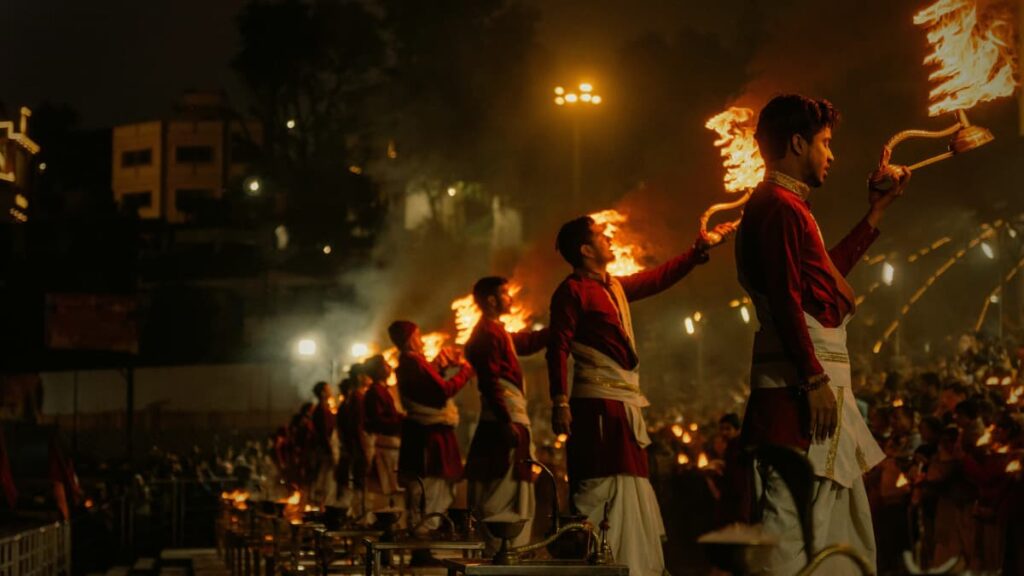
Triveni Ghat is the most sacred and emotionally charged location in Rishikesh. It is thought to be the confluence of three holy rivers: the Ganga, the Yamuna, and the Saraswati. Throughout the day, devotees perform rituals and prayers here, but as evening falls, the ghat transforms completely. During the Ganga Aarti, lamps shine against the darkening sky, chants fill the air, and hundreds of floating diyas move gently with the river’s current. Standing here, watching reflections dance on the water, instills a profound sense of peace and devotion that lingers long after you leave.
Parmarth Niketan Ashram –
Parmarth Niketan Ashram, located on the Ganga River, is a well-known spiritual center in Rishikesh. People from all over the world visit the ashram to practice yoga, meditate, and develop their inner discipline. The tranquil environment, morning prayers, spiritual lessons, and evening aarti all contribute to a feeling of lightness and clarity. Sitting by the river, listening to the flowing water and spiritual chanting, feels like stepping into a calmer, more meaningful way of life.
Neelkanth Mahadev Temple –
Neelkanth Mahadev Temple is located deep within forested hills around 30 kilometers from Rishikesh. Dedicated to Lord Shiva, this temple is associated with the tale of Samudra Manthan, in which Shiva ingested poison to preserve the cosmos. The ride to the temple is scenic and tranquil, with winding roads, lush flora, and mountain silence. Reaching the temple is rewarding because devotion merges with natural beauty, producing a sense of deep spiritual connection.
Bharat Mandir –
Bharat Mandir is one of Rishikesh’s oldest temples and has great historical significance. The temple is dedicated to Lord Vishnu and symbolizes the town’s historic spiritual origins. Its tranquil settings and traditional rituals make it a great destination for travelers looking to discover Rishikesh’s true spiritual character.
Famous Bridges and Landmarks in Rishikesh
Ram Jhula –
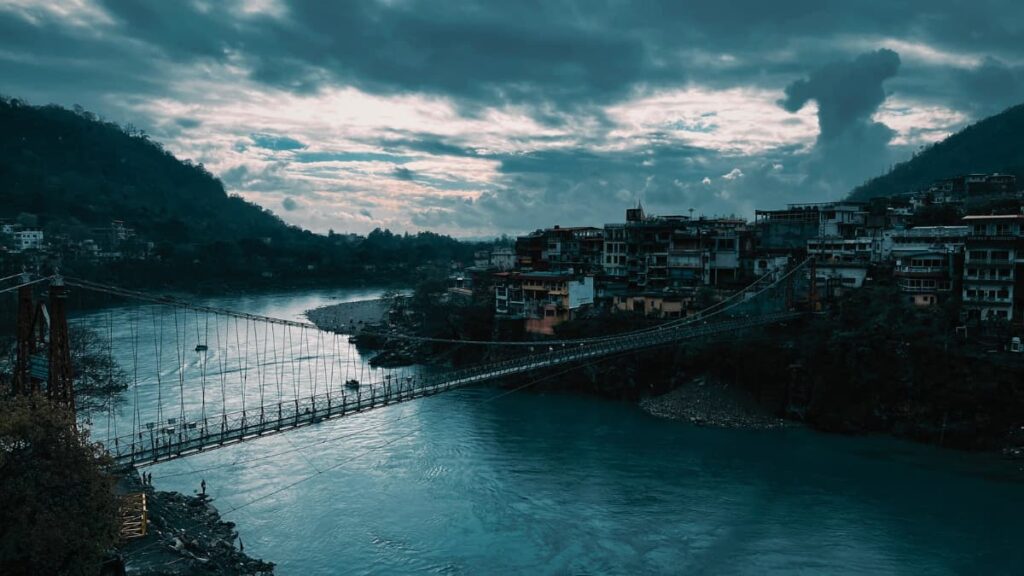
Ram Jhula connects prominent ashrams, including Parmarth Niketan and Sivananda Ashram. It is wider and calmer than Laxman Jhula and offers unobstructed views of the Ganges and neighboring spiritual places. Visitors can witness everyday life in Rishikesh by strolling over Ram Jhula, where pilgrims, monks, tourists, and locals all move in peaceful unison.
Laxman Jhula –
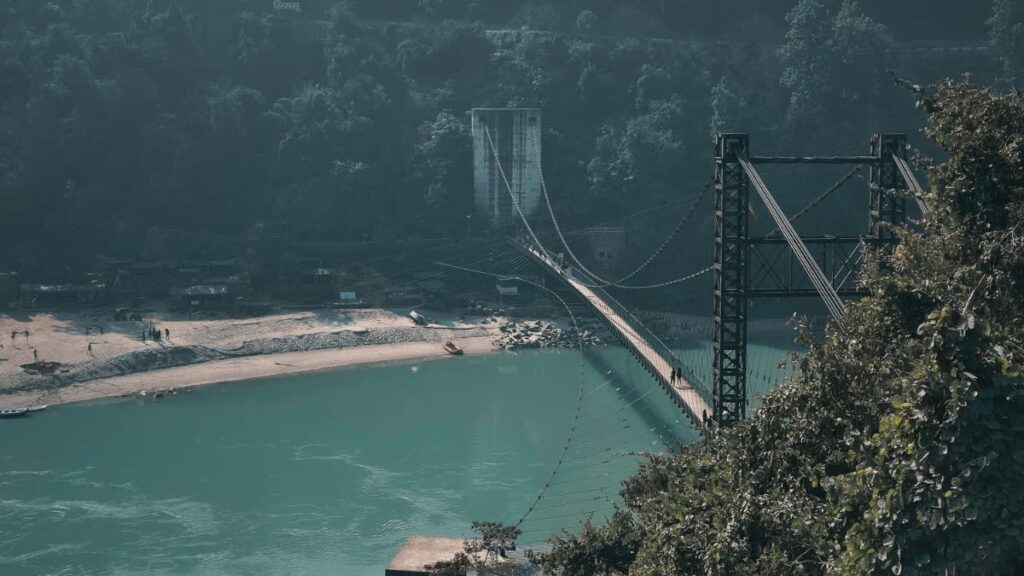
Laxman Jhula is one of Rishikesh’s most renowned sights. According to Hindu mythology, Lord Laxman crossed the Ganga at this location with a rope bridge. Today, the suspension bridge provides breathtaking views of the river, temples along the banks, and the surrounding hills. As the bridge gently sways beneath your feet, you feel as if you’re traveling through history and folklore all at once.
Beatles Ashram (Chaurasi Kutia) –
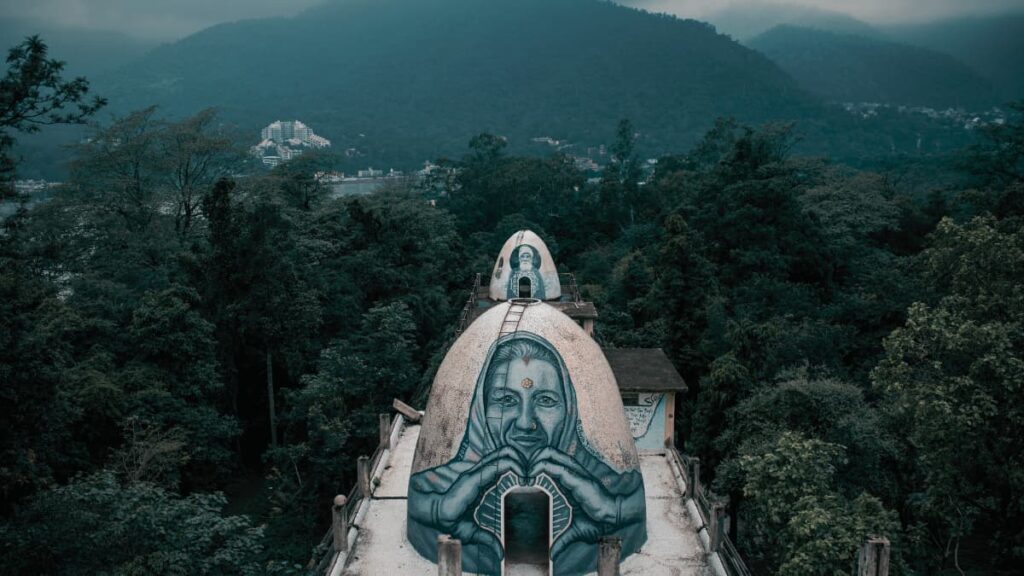
When the iconic band visited here in the 1960s, the Beatles Ashram attracted attention from all over the world. Surrounded by wilderness and solitude, the abandoned meditation huts and artistic graffiti express creativity, tranquility, and introspection. Walking through the ashram feels like entering a space where silence speaks louder than sound, making it one of Rishikesh’s most distinctive features.
Adventure Places to Visit in Rishikesh
River Rafting on the Ganga –

Rishikesh is the rafting capital of India. Rafting down the Ganga’s tremendous rapids, surrounded by mountains and forests, is a memorable adventure. The thrill of maneuvering fast currents, mixed with the beauty of the scenery, makes this journey both exciting and soul-nourishing.
Bungee Jumping –

The bungee jumps near Rishikesh are among the highest in India. Standing at the brink, looking out over deep valleys and rivers, tests both fear and trust. The jump itself is thrilling, liberating, and unforgettable, drawing adventure seekers from all over the country.
Cliff Jumping & Ziplining –
Cliff jumping and ziplining allow visitors to interact directly with Rishikesh’s natural environment. Jumping into pristine waters or gliding above valleys provides both adrenaline and magnificent scenery, making adventure feel raw and authentic.
Nature and Scenic Spots in Rishikesh
Neer Garh Waterfall –
Neer Garh Waterfall is tucked away inside forest trails, providing a calm escape from the town’s active regions. The sound of flowing water, cold mist, and greenery produces a refreshing and peaceful atmosphere conducive to relaxation.
Ganga Riverbanks –
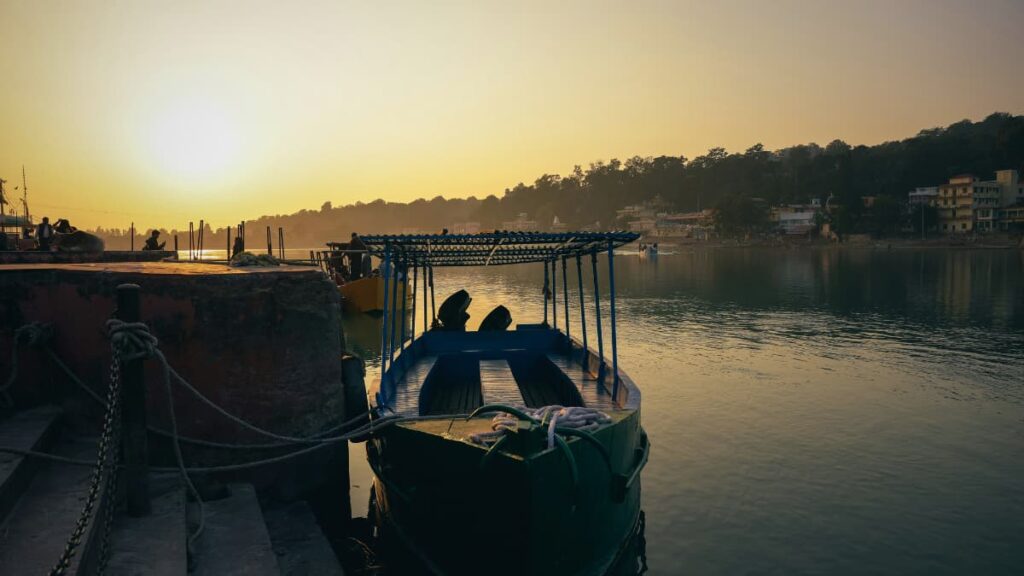
The Ganga riverbanks in Rishikesh are ideal for solitary walks, meditation, and reflection. Early mornings bring golden sunlight and sweet prayers, while evenings provide silence and peace that is extremely grounding.
Kunjapuri Temple Viewpoint –
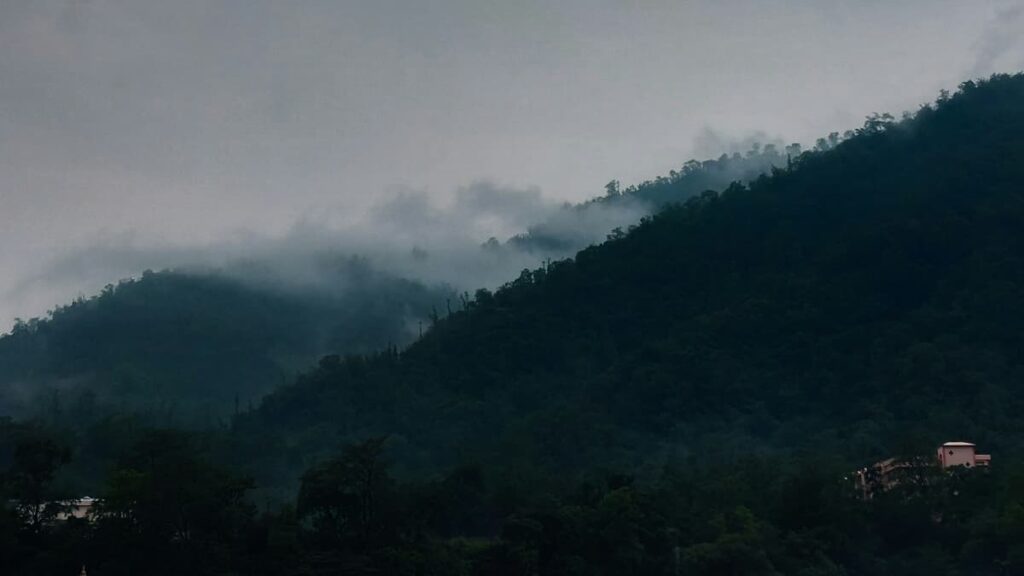
Kunjapuri Temple is well-known for its magnificent sunrise views of the Himalayan ranges. Witnessing the first rays of morning touch snow-covered mountains creates a sense of awe and spiritual silence.
Rajaji National Park –
Rajaji National Park near Rishikesh offers lush forests, wildlife sightings, and jeep safaris. It adds a wild and unspoiled dimension to the tour, ideal for wildlife lovers.
Yoga, Meditation, and Wellness Centers in Rishikesh
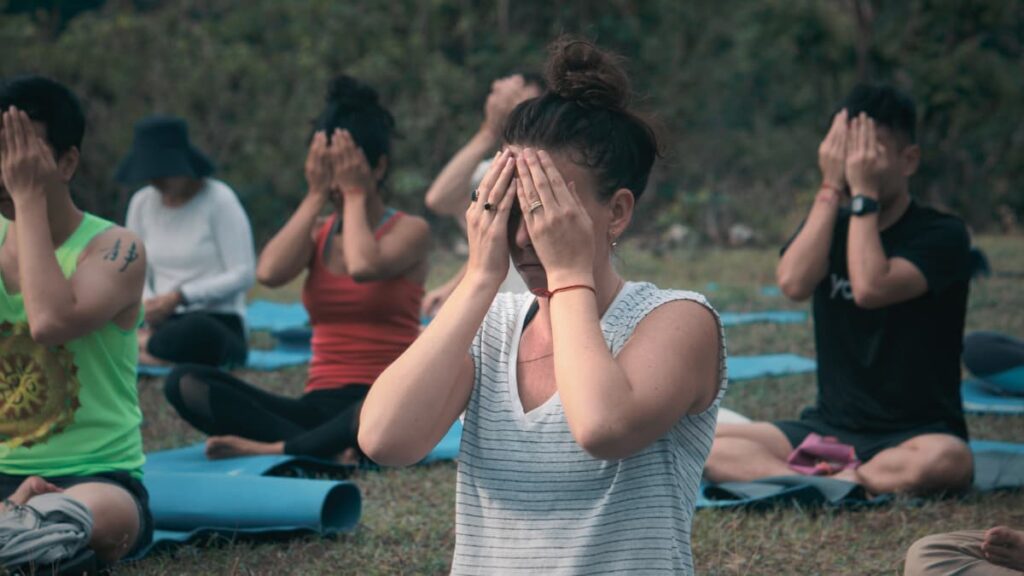
Sivananda Ashram –
Sivananda Ashram follows traditional yoga practices and spiritual discipline. Daily routines, meditation sessions, and teachings allow visitors to experience true yogic life.
International Yoga Schools –
Rishikesh is home to world-renowned yoga institutions that offer teacher training courses and health vacations. Yoga here feels incredibly authentic, surrounded by mountains and running water.
Meditation & Wellness Retreats –

Silent meditation retreats and wellness centers in Rishikesh focus on mental clarity, emotional balance, and holistic healing. These spaces allow travelers to truly disconnect from stress and reconnect inwardly.
The best time to visit Rishikesh is from October to March. The weather is pleasant, ideal for sightseeing, yoga, and adventure activities. Avoid monsoon months if you plan on rafting.
Travel Tips for First-Time Visitors
- Dress modestly, especially near temples and ashrams
- Respect local culture and spiritual practices
- Carry cash for small shops
- Wake up early—Rishikesh mornings are magical
Rishikesh is not a destination to just visit; it is a place to carefully absorb. Each temple, riverbank, bridge, and mountain path makes a subtle effect on the heart. This journey does not end when you leave town; it continues within you, encouraging you to live your life with peace, courage, and awareness.
Also read, Roopkund: The Mysterious Skeleton Lake