Mahashivratri is an experience of peace, devotion, and inner awakening. Celebrated as Mahaan Ratri of Lord Shiv, Mahashivratri falls on the darkest night of the month of Phalguna, when the moon is dimmed and inner awakening is believed to grow.
As the night falls, temples sparkle with diyas, the aroma of dhoop fills the air, and chants of “Om Namah Shivaya” flow like a river of faith. Devotees stay awake in jagran, observe vrat, and perform dhyan—not out of compulsion, but out of devotion.
On this night, Shiva is not worshipped as a distant deity; he is felt as a presence—calm, vast, and ever-present. Mahashivratri empowers the soul to calm down, turn inward, and encounter the Shiva tattva, the soul of pure consciousness. It is a night when the external world fades and the inner universe awakens.
Why This Night Is Called the Great Night of Shiv
The word “Mahashivratri” is made up of three powerful words: “Maha” means great, “Shiva” means auspicious consciousness, and “Ratri” means night. Together, these represent the great night of transformation. Unlike other festivals that emphasize light, color, and external joy, Mahashivratri emphasizes darkness, stillness, and inner peace.
Spiritually, this night is believed to possess powerful energy, enabling practitioners to elevate their consciousness. The absence of moonlight signifies the disappearance of the ego, making way for consciousness.
Yogic traditions believe that on this night, the natural flow of energy in the human body moves upward, promoting meditation and inner peace. Staying awake during the vigil signifies choosing awareness rather than living in unconsciousness. Mahashivratri emphasizes that true awakening occurs in peace, not chaos. This night is not just about celebration; it is also about feeling Shiva within, where time disappears and the mind remains calm.
Mythological Origins of Mahashivratri
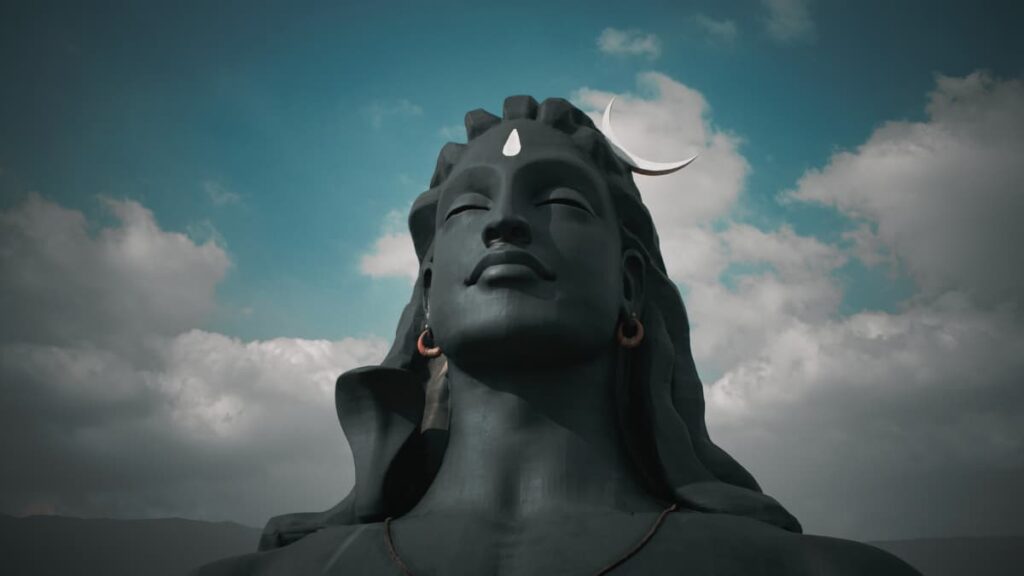
Mahashivratri has a long history in ancient Bharat, where sages, rishis, and yogis revered this night as the pinnacle of spirituality. The Puranas contain references to Mahashivratri, with Shiv depicted as Adiyogi, the first yogi to share the science of self-realization.
According to ancient traditions, this night was when Shiv performed the cosmic tandav, or dance of creation, preservation, and destruction. For generations, Shiv temples have remained open on this night, filled with mantras, bells, and collective devotion. Kings, saints, and people alike observed fasts and offered Bilva leaves to the Shivalinga.
Mahashivratri evolved from a yogic ritual to a festival celebrated with great devotion throughout the country. However, the core principles remained unchanged: self-purification, inner discipline, and devotion. The historical continuity of Mahashivratri demonstrates that while civilizations evolve, humanity’s desire for inner peace remains.
Stories of Mahashivratri
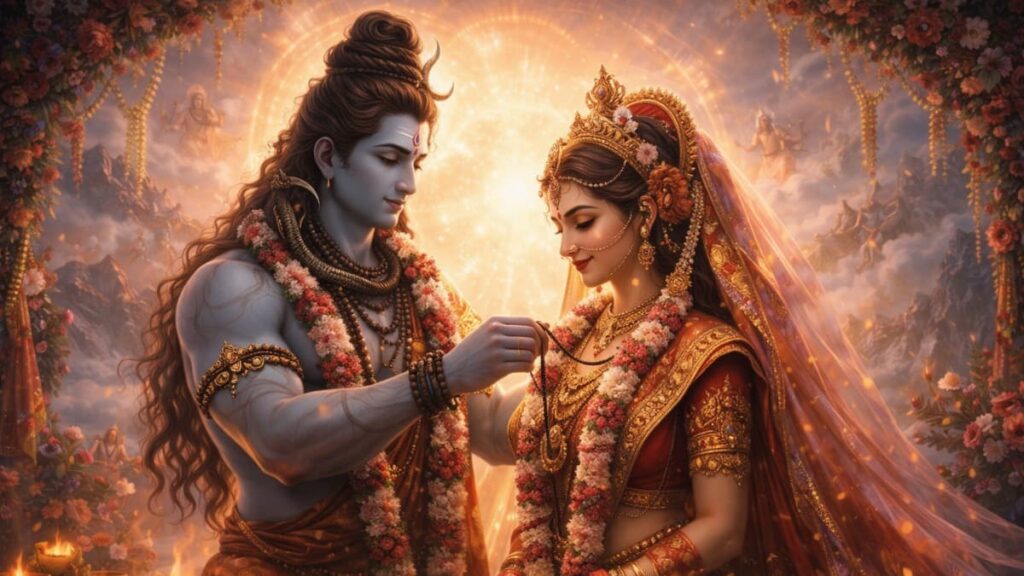
Mahashivratri is marked by powerful stories with deep meaning. One famous story tells of the sacred Shiva-Parvati Vivah, in which Goddess Parvati performed intense Tapasya to unite with Shiva. Their union represents the union of Shakti and Shiva—energy and consciousness—without which the creation of the world is impossible.
Another mythology tells of Samudra Manthan, in which a lethal poison, Halahal, emerged from the water. Shiva consumed it to protect creation, holding it in his throat and becoming Neelkanth. This deed represents sacrifice, responsibility, and compassion.
There is also a story of a hunter who unknowingly worshipped Shiva by offering Bilva leaves all night and attained Moksha with true intention. This story emphasizes that bhaav, or intention, is more important than the exactness of the rituals. They remind devotees that surrender, balance, and devotion are essential keys to spiritual growth.
Spiritual Significance of Mahashivratri
Mahashivratri is considered a path to self-awakening or spiritual enlightenment. Shiva is not just a deity but also a way of living in peace, detachment, and mindfulness.
On this night, spiritual seekers believe that fasting, meditation, and chanting mantras can help reduce the burden of karma. Chanting Om Namah Shivaya brings together the five elements in the body—earth, water, fire, air, and space—in harmony. Fasting is not about hunger; it is about discipline and clarity.
Meditating during Mahashivratri reduces mental restlessness and increases inner peace. This night teaches Vairagya (detachment without interruption). Shiva demonstrates the truth that destruction is not bad; it is necessary for new birth. Spiritually, Mahashivratri teaches people that true peace comes from deeply understanding life rather than trying to control it.
Rituals of Mahashivratri: Vrat, Abhishek, and Jagran Explained
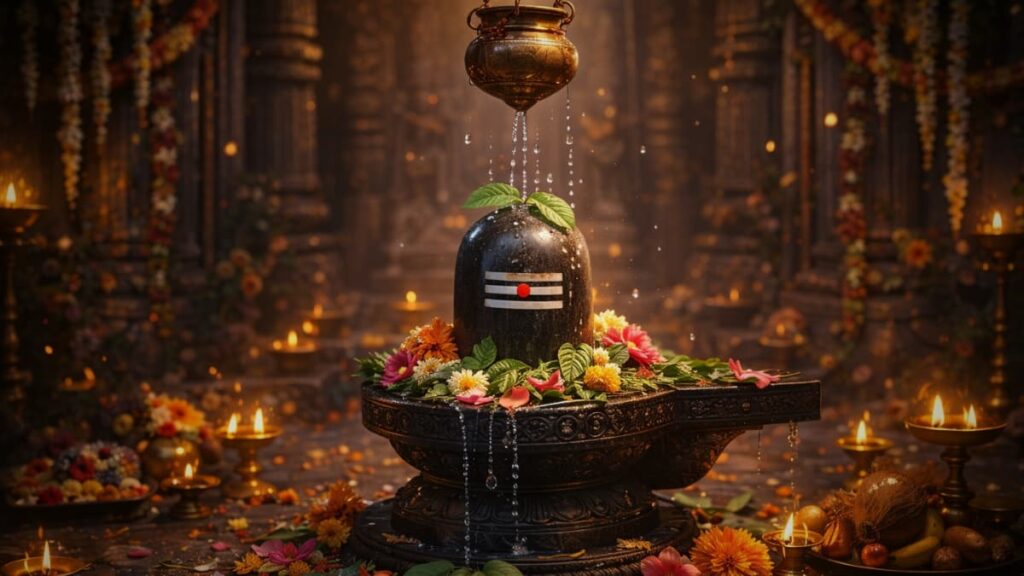
- The ceremonies of Mahashivratri are simple but immensely meaningful. Devotees begin with vrat, or fasting from food, in order to purify their bodies and minds.
- Shivling Abhishek is conducted throughout the night with jal, dudh, shahad, dahi, and ghee, which signify purity, nourishment, and balance, respectively. Offering bilva patra is considered exceedingly sacred, representing Shiv’s trinetra, or three eyes.
- Staying awake all night, called Jagran, prioritizes spiritual meditation and awareness over unconsciousness. Temples come alive with bells, conch shells, and chants, creating a vibrant atmosphere that never ends.
These rituals are not just traditions; they are inner activities meant to purify the ego and strengthen commitment. Mahashivratri celebrations demonstrate that devotion is an inner transformation rather than an outward display.
Symbolism of Lord Shiv and the Shivling
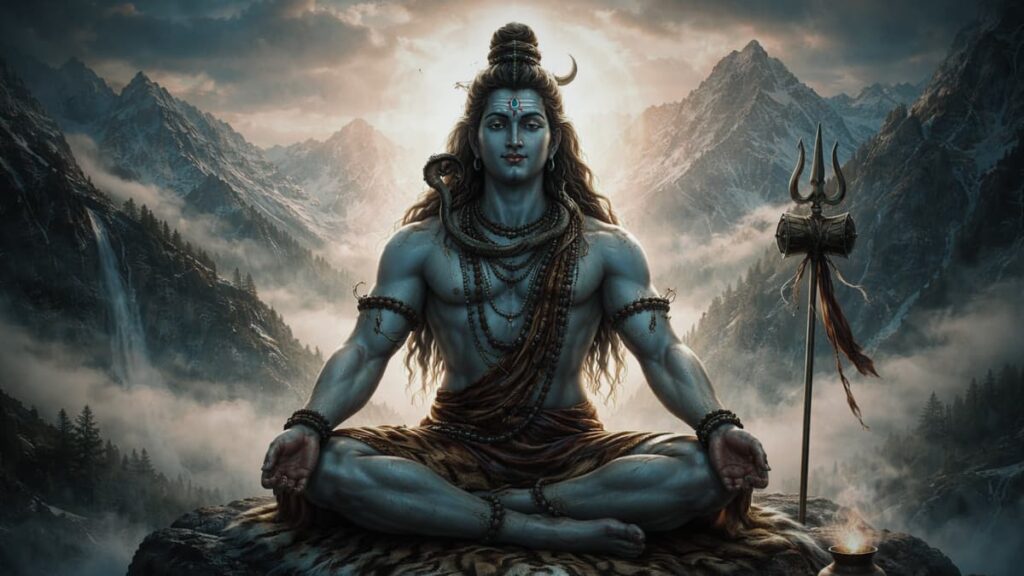
The mere appearance of Lord Shiva teaches a spiritual lesson. His ash-covered body symbolizes impermanence, reminding devotees that everything will eventually pass away. The crescent moon on his head represents power over time, and the Ganges flowing from his matted locks represents the wisdom of heaven descending upon humanity.
The snake around his neck represents bravery and control over death. The Shivling, widely misunderstood, depicts the formless infinite—creation without origin or end. It symbolizes energy rather than form. Worshiping the Shivling is a meditation on the nature of existence.
Shiva’s third eye represents inner vision, the ability to dispel ignorance. In today’s life, Shiva’s symbolism promotes simplicity, balance, detachment, and inner strength. He teaches that peace is powerful and that peace can bring about change.
Importance of Mahashivratri in Modern-Day Life
- In today’s fast-paced world of noise, screens, and stress, Mahashivratri provides a rare opportunity for intentional silence. It invites people to pause, reflect, and reconnect with themselves.
- The practice of vrat aids in bodily purification, while meditation soothes mental turbulence.
- Mahashivratri encourages self-control, mindfulness, and emotional balance—qualities that are often lacking in modern life. It teaches individuals that true power comes from awareness, not incessant action.
- This festival promotes kindness, compassion, and humility.
- Even for those who are not deeply religious, the core message of Mahashivratri—letting go of ego, embracing peace, and finding inner peace—still holds great significance.
It serves as a spiritual reset button in a world gone astray.
What People Do on Mahashivratri Night
On the night of Mahashivratri, millions of people gather in temples, homes, and religious sites. Some slowly recite mantras, while others meditate quietly. Devotees offer milk and water to the Shivalinga, light lamps, and offer prayers of hope and devotion.
Many read the Shiva Purana, while others sit quietly and observe their breathing. Families gather in devotion to share prasad and engage in spiritual talks. The night stretches slowly in waves of devotion, as if time has stopped. As morning approaches, there is a subtle shift—hearts feel lighter, thoughts calmer, and spirits clearer. Mahashivratri becomes a night of renewal as well as devotion.
Mahashivratri isn’t about asking Shiv for material things; it’s about being Shiv-like—calm, observant, and fearless. It serves as a reminder that true awakening occurs in silence rather than in noise. As the world falls asleep, the seeker awakens. This sacred night teaches that clarity can be found in darkness, power in stillness, and freedom in surrender.
Har Har Mahadev
Learn about the most powerful mantra of Lord Shiva: Mahamrityunjaya Mantra