In Indian tradition, Makar Sankranti is more than a mere festival; it’s a time of transition, a celebration of nature, and a profoundly spiritual and scientific event. Makar Sankranti, celebrated under various names and forms throughout India, represents a significant shift in cosmic energy, seasonal change, and human consciousness.
Unlike most Indian festivals that follow the lunar calendar, Makar Sankranti is based on the solar cycle, which already sets it apart. This single day carries meanings related to Sun worship, harvesting, gratitude, purification, discipline, and joy.
Why do people celebrate it with such devotion? Why does this festival hold such spiritual, cultural, and scientific importance? Let’s explore everything in detail.
What Does Makar Sankranti Mean?
The name “Makar” relates to the Capricorn zodiac sign, while “Sankranti” symbolizes transformation.
On this day, the Sun enters Capricorn (Makara Rashi) and starts its northward trip, known as Uttarayan. This movement is considered extremely auspicious in Indian tradition because it symbolizes:
- Movement from darkness to light
- From ignorance to knowledge
- From stagnation to growth
This shift is so powerful that it is thought that even a soul who leaves the body during Uttarayan achieves greater spiritual liberty.
Astronomical and Astrological Importance
Sun’s Transition into Capricorn (Makar Rashi)
On Makar Sankranti, the sun begins its northward journey, also known as Uttarayan. This movement is considered extremely auspicious in Hindu astrology. It is believed that when the Sun goes northward, positive energy increases on Earth.
Why Makar Sankranti Is a Fixed-Date Festival
Makar Sankranti, unlike Diwali or Holi, is traditionally celebrated on January 14th each year. This constancy stems from the fact that it is calculated based on the movement of the Sun rather than the Moon.
Historical and Mythological Significance
Connection with Lord Surya
Makar Sankranti is dedicated to Lord Surya, the Sun God. Devotees worship the Sun as the source of life, energy, and wisdom. Temples dedicated to Surya witness special rituals on this day.
Connection with the Mahabharata: Bhishma Pitamah and Uttarayan
According to the Mahabharata, Bhishma Pitamah decided to depart his mortal body at Uttarayan. It is thought that those who die during this time receive salvation, making the day spiritually significant.
Why Is Makar Sankranti Celebrated Across India?
Makar Sankranti highlights India’s diversity. Despite geographical differences, the essential spirit is the same: thankfulness, positivism, and new beginnings. Whether it’s Pongal in the South or Lohri in the North, the festival honors life, harvest, and hope.
Different Names of Makar Sankranti
- Pongal in Tamil Nadu: A four-day harvest ceremony in which freshly harvested rice is cooked and presented to the Sun God.
- Lohri and Maghi in Punjab: Lohri, celebrated with bonfires, folk melodies, and dance, symbolizes the end of the winter season.
- Uttarayan in Gujarat: Gujarat, known for its huge kite festivities, transforms the skies into a colorful tapestry.
- Magh Bihu in Assam: A harvest celebration celebrates plenty and agricultural prosperity.
- Khichdi Parv in Uttar Pradesh & Bihar: Khichdi, a symbol of nourishment and simplicity, is provided in temples.
Rituals and Traditions of Makar Sankranti
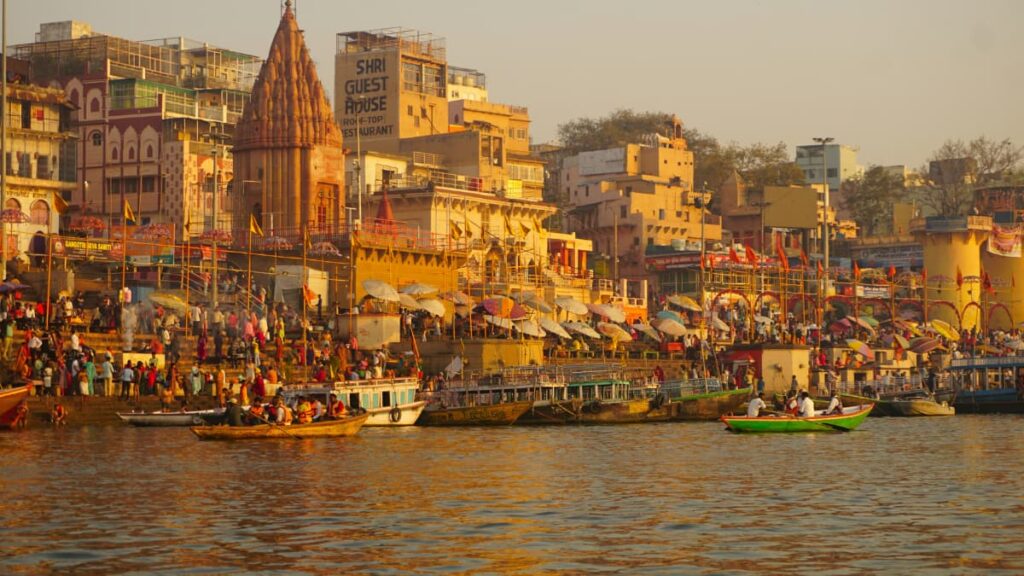
Holy River Bath (Snan)
Taking a bath in sacred rivers such as the Ganga, Yamuna, Godavari, Krishna, or even local bodies of water is an important ritual.
Spiritual Significance
- It represents a cleansing of previous karmas.
- Marks a fresh spiritual beginning.
- Aligns the body to the positive solar energy of Uttarayan.
Scientific & Seasonal Logic
- The Sun begins to gain strength after months of weakness.
- Bathing early improves blood circulation.
- Cold water boosts immunity throughout the seasonal change.
This is why events like Ganga Snaan and Magh Mela are deeply connected to Makar Sankranti.
Charity and Donations (Daan)
The occasion is about not only gaining wealth but also sharing it generously. As the sun begins its northward journey and nature prepares for renewal, humans are reminded of their responsibilities to society.
According to ancient Indian thought, when the world gives generously, humans should too. According to spiritual beliefs, charity during Uttarayan generates good karma because the mind naturally leans toward clarity and compassion. Donating on this day is believed to:
- Reduce ego
- Purify intentions
- Increase positive karma
Surya Puja and Temple Visits
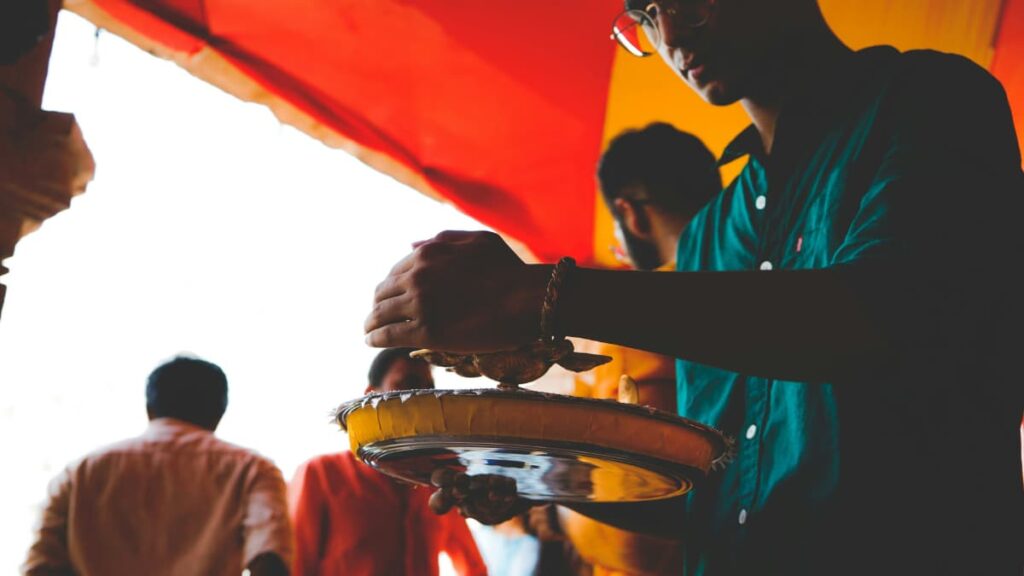
On this auspicious day, the Sun is honored not only as a celestial body but also as the giver of life, energy, discipline, and time.
In ancient India, the Sun was not just seen as a planet but as:
- The giver of prana (life force)
- The controller of seasons
- The regulator of time and discipline
Visiting temples during Makar Sankranti further strengthens this spiritual connection. People visit temples to connect their inner energies with the cosmic system, seek blessings for prosperity, and begin a new beginning in life.
Many temples have special rituals, such as Surya Abhishekam and group prayers, to ensure that Makar Sankranti is not just an individual celebration but a group spiritual experience.
Importance of Kite Flying on Makar Sankranti

Kite flying is one of Makar Sankranti’s most pleasant customs.
Symbolically, flying kites represents:
- Freedom from limitations
- Rising above negativity.
- Connecting to the big sky and higher consciousness.
Practically speaking, individuals spend hours in the sun, naturally absorbing vitamin D, which strengthens bones and immunity—especially after winter.
Thus, kite flying becomes a celebration of health, happiness, and communal togetherness.
Traditional Foods Prepared on Makar Sankranti
One of the most beautiful aspects of Makar Sankranti is its season-specific food tradition.
Common Ingredients
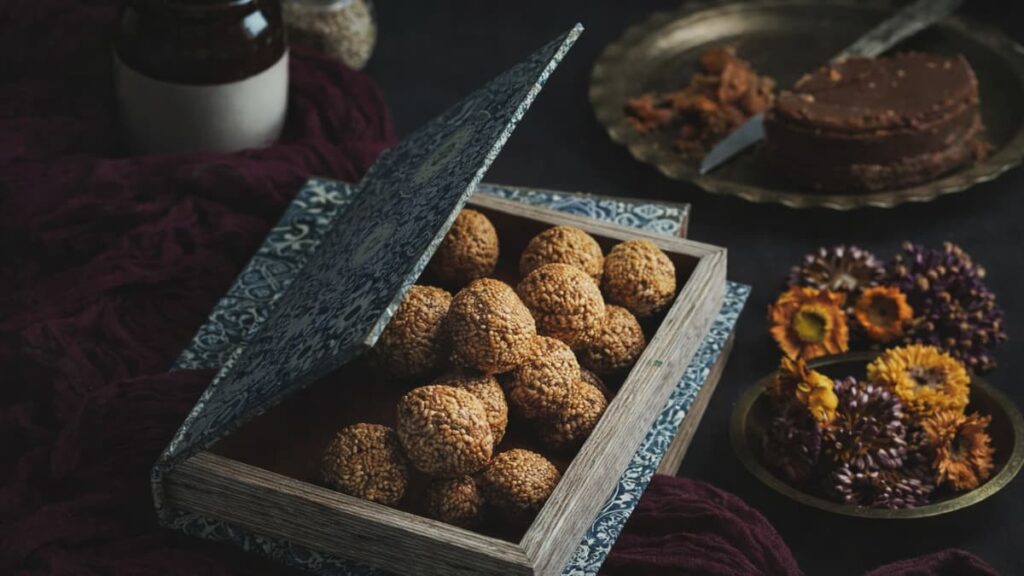
- Sesame seeds (Til)
- Jaggery (Gud)
- Rice
- Peanuts
- Sugarcane
Why These Foods?
- Sesame gives warmth to the body.
- Jaggery improves digestion and immunity.
- These foods keep the body balanced during the winter-to-summer changeover.
That’s why people say:
“Til Gud Ghya, God God Bola” — Eat sweet, speak sweet.
Regional Food Traditions
- Maharashtra: Tilgul laddoos
- Gujarat: Undhiyu & jalebi
- Tamil Nadu: Sweet Pongal
- Punjab: Rewri and gajak
- Assam: Pitha
Every dish reflects local climate, crops, and nutritional needs.
Makar Sankranti and Agriculture
Makar Sankranti falls around the time when crops are harvested in various parts of India. Farmers are finally seeing the results of their months of hard work.
This festival is a way of:
- Thanking the Sun for the energy.
- Honoring the soil and rain
- Celebrate abundance and survival.
Different regions celebrate harvest joy in their own cultural forms, but the sentiment is the same: appreciation for nature.
The Deeper Message of Makar Sankranti
At its core, Makar Sankranti teaches us:
- To move forward like the Sun
- To live in harmony with nature
- To respect food, farmers, and seasons
- To purify thoughts along with the body
It is a reminder that true progress is natural, disciplined, and balanced.
Makar Sankranti is not just about rituals.
It is about alignment—with nature, with time, and with our inner self.
When the sun changes direction, it silently asks us to do the same: move toward light, growth, and awareness.
Also read, Top 10 Places to Visit on Makar Sankranti in India