Some places on Earth challenge our knowledge of nature, history, and even the universe itself. Lonar Lake is one such location. Lonar Lake, perfectly circular and spectacularly carved into the Deccan Plateau, is more than just a body of water; it is a crater formed thousands of years ago by a meteor strike. This lake, surrounded by ancient temples and steeped in mythology, is a magnificent intersection of science and faith.
In this blog, we will look at every aspect of Lonar Lake, from its geological origins to its spiritual importance, so that you not only learn about it but also feel deeply linked to its mystery.
Table of Contents
Overview
Lonar Lake is considered one of the world’s rarest natural beauties. It was created by a high-velocity meteor impact around 50,000 years ago and serves as a silent reminder of the universe’s power. This crater lake in Maharashtra, India, captures the interest of scientists, historians, and tourists alike. Its nearly perfect round shape and distinct chemical features make it globally significant.
But, beyond science, Lonar Lake has emotional depth. When you stand on its rim, you can sense the weight of time and the strength of a cosmic event that shaped this place. It’s more than just a lake; it tells the story of Earth’s interaction with the sky.
Geographical Location
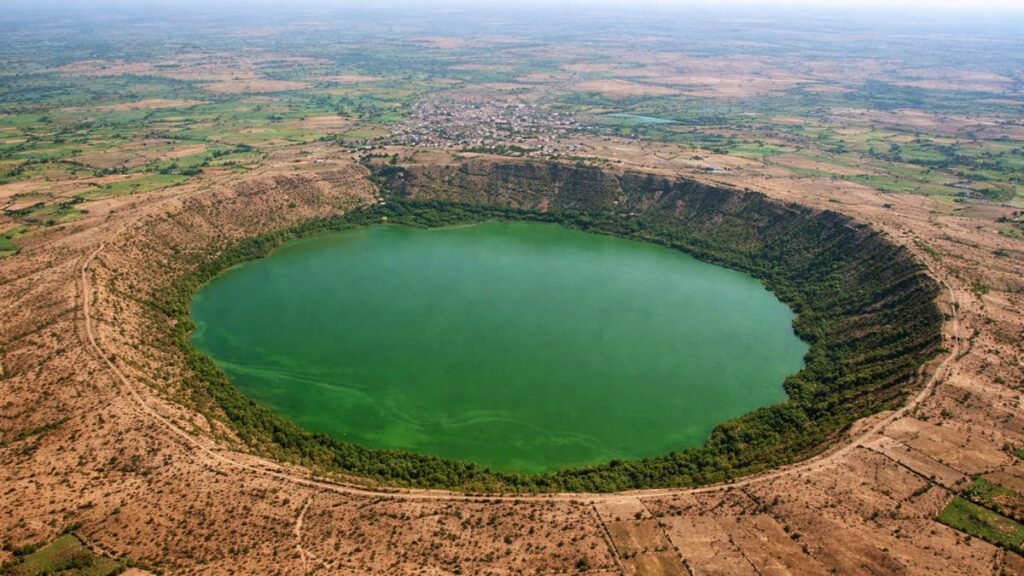
Lonar Lake is located in the Buldhana district of Maharashtra, approximately 500 kilometers from Mumbai and 140 kilometers from Aurangabad. The crater is over 1.8 kilometers in diameter and around 150 meters deep. Its geographical significance stems from its formation in basalt rock, which was part of the ancient Deccan Traps.
Lonar Lake is an important geological site since there are few impact craters on basaltic terrain worldwide. The crater’s high slopes are covered in vegetation, which contrasts sharply with the peaceful lake in the center. From above, the lake seems like a huge emerald set in a circular stone frame.
Scientific Explanation Behind Lonar Lake
Scientific research shows that Lonar Lake formed when a huge meteor struck the Earth at high speed. The impact produced enormous heat and pressure, melting and rearranging the basalt rock to create the crater. Water gradually accumulated within, becoming the lake that we see today. Lonar Lake’s water is both saline and alkaline, making it exceedingly distinctive.
This peculiar chemical mixture promotes microorganisms that thrive in hostile settings. Because of its resemblance to lunar and Martian craters, space scientists have studied Lonar Lake to acquire a better understanding of planetary impacts. It serves as a natural laboratory, offering information on both Earth’s past and the geology of other celestial bodies.
Mythological and Local Beliefs
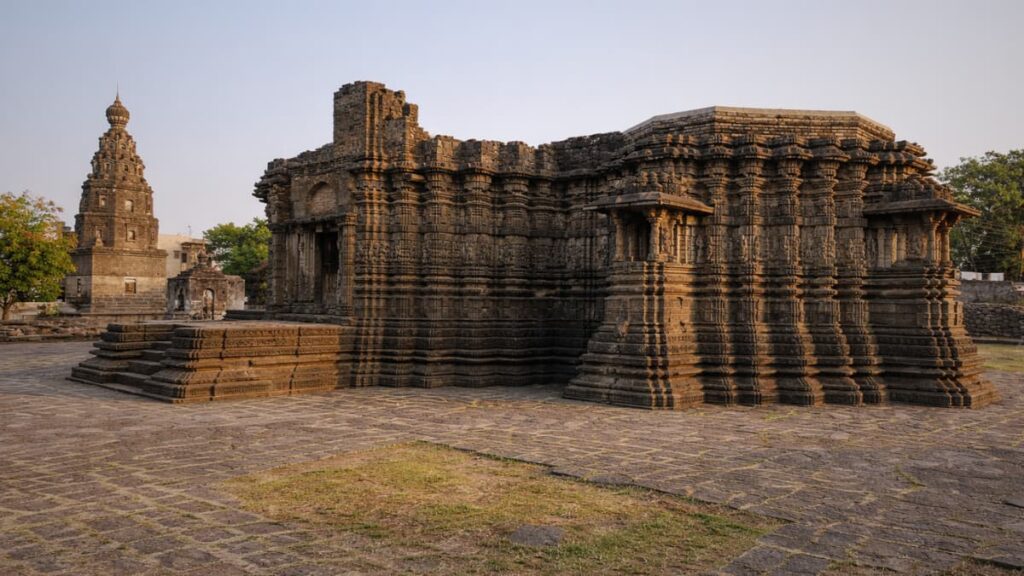
While science explains its origins, local legends provide Lonar Lake with mystical significance. According to Hindu belief, the crater formed after Lord Vishnu defeated the monster Lonasura. The Daitya Sudan Temple, located near the lake, honors this divine victory. The temples that encircle the crater, many of which date back centuries, indicate the site’s great religious significance.
For the inhabitants, the lake is sacred and imbued with supernatural power. Pilgrims come to worship, believing that the country contains heavenly favors. These myths and faith-based traditions have been passed down through centuries, and they blend smoothly with the scientific narrative of a cosmic impact.
Unique Features of Lonar Lake
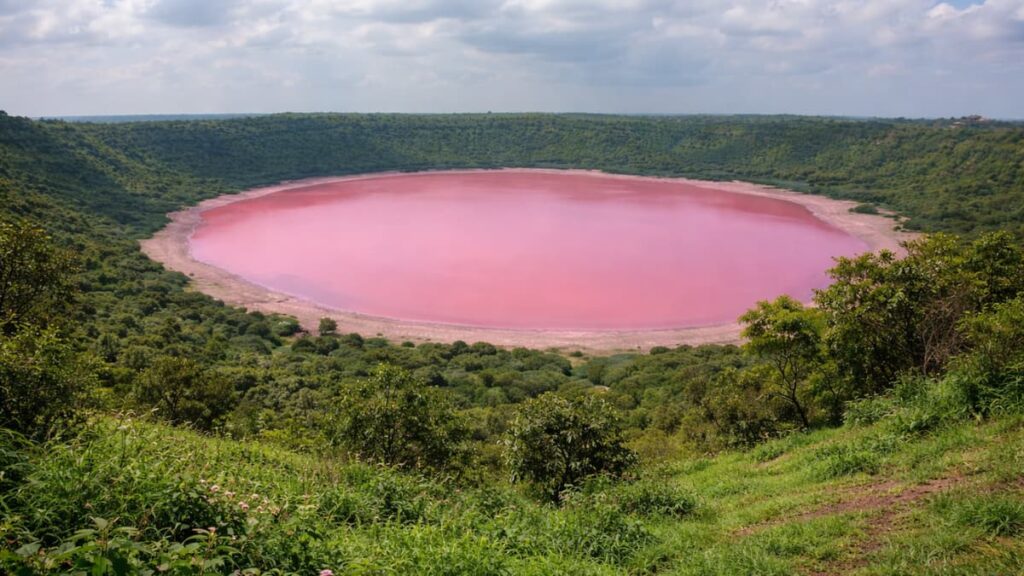
Lonar Lake is renowned for its distinct biological and chemical characteristics. The lake’s water contains a high concentration of salt and alkalinity, making it a suitable habitat for specialized bacteria. Microbial activity has occasionally turned the lake pink, gaining international attention. The crater’s precisely symmetrical design resembles impact craters on the Moon, emphasizing its global scientific relevance.
The surrounding woodland supports a diverse range of bird species, including migratory birds that visit seasonally. This combination of geological uniqueness and ecological diversity makes Lonar Lake a truly unique natural wonder, unlike any other lake in India or the world.
Historical References and Ancient Structures
Several ancient temples were built around the rim and slopes of Lonar Lake between the sixth and twelfth centuries CE. These temples, built in the Hemadpanti architectural style, include exquisite carvings and solid stone constructions that have endured centuries of weathering. The presence of these temples demonstrates that the lake was once an important spiritual and cultural center.
Inscriptions uncovered in the area show historical ties to several Maharashtrian rulers. Walking among these temple ruins seems like going back in time. The historic structure, together with the breathtaking crater setting, creates a captivating ambiance that combines history and natural wonder.
Environmental Importance
Lonar Lake is both a geological marvel and an ecological treasure. The water’s peculiar chemical composition nurtures rare microbes of great scientific interest. The surrounding woodland is home to numerous bird species, reptiles, and small mammals. Recognizing its importance, the lake has been declared as a protected area to preserve its biodiversity and geological value.
However, environmental challenges such as pollution and human intervention damage the fragile ecosystem. Conservation efforts are crucial for conserving this natural inheritance. Protecting Lonar Lake ensures that future generations can enjoy its unique combination of cosmic history and ecological diversity.
Unsolved Mysteries and Ongoing Research
Despite decades of investigation, Lonar Lake continues to attract attention. Scientists are still looking at its exact age, impact dynamics, and long-term ecological implications. The pink hue metamorphosis observed in recent years has sparked new scientific research into microbial activity and environmental changes.
Local tradition adds layers of mystery, with stories of weird energy and unexplained incidents near the lake. While science provides intellectual explanations, the emotional experience of standing next to such a beautifully formed crater frequently amazes tourists. The combination of proven facts and lingering mystery is what makes Lonar Lake so intriguing.
Tourism and Travel Guide
Lonar Lake is an excellent choice for those looking for something different from the usual tourist attractions. The best time to visit is between October and March, when the weather is ideal for exploring. Visitors can walk down the crater slopes, discover ancient structures, and admire the panoramic views from the rim. The nearest large city is Aurangabad, from which the lake is accessible by road.
Despite the few facilities, the pristine beauty and peaceful surroundings make the trip worthwhile. A visit to Lonar Lake is like being in a living documentary, with each stone and wave conveying a story of cosmic might and undying devotion.
When you stand on the edge of Lonar Lake, staring into its tranquil waters, you are witnessing a chapter of cosmic history unfold on Earth.
You may also lik to learn about the hidden truth of Roopkund: The Mysterious Skeleton Lake