

High in the mountains of Uttarakhand lies Roopkund Lake, a remote and scenic spot famous for a mystery scientists are still trying to figure out. When the ice melts, skeletons and bones appear around the lake.
So what really happened at Roopkund? Let’s go back in time and uncover the mystery of India’s famous Skeleton Lake.
Table of Contents
Where Is Roopkund Lake?
Situated in the Chamoli district of Uttarakhand, Roopkund lies at an elevation of roughly 5,000 meters above sea level.
The lake lies on the route of a difficult trek near Bedni Bugyal, which is one of the famous high-altitude meadows in Uttarakhand. The trek goes through forests, steep mountain trails, meadows, and snow-covered regions.
And after all that effort, trekkers reach a small lake that hides a disturbing story beneath the ice.
How Was the Mystery Discovered?
However, the locals were aware of the human remains in the area; the skeletons became widely popular in the 20th century.
When these remains were first studied, researchers initially thought they might belong to a group of people who died together. For a long time, this was considered a possible explanation.
Then the researchers began to inspect the bones more closely. And that is when things took a complicated turn.
DNA Discovery Of Skeletons
Studies revealed that these remains were from people with varied genetic backgrounds. Some people’s ancestry traced back to South Asia, while others traced back to populations around the eastern Mediterranean.
What is even more surprising is that all the people did not live at the same time. Some of the remaining parts are estimated to be about a thousand years old, whereas another group lived much later.
That discovery completely changed the mystery.
Were They Travellers or Pilgrims?
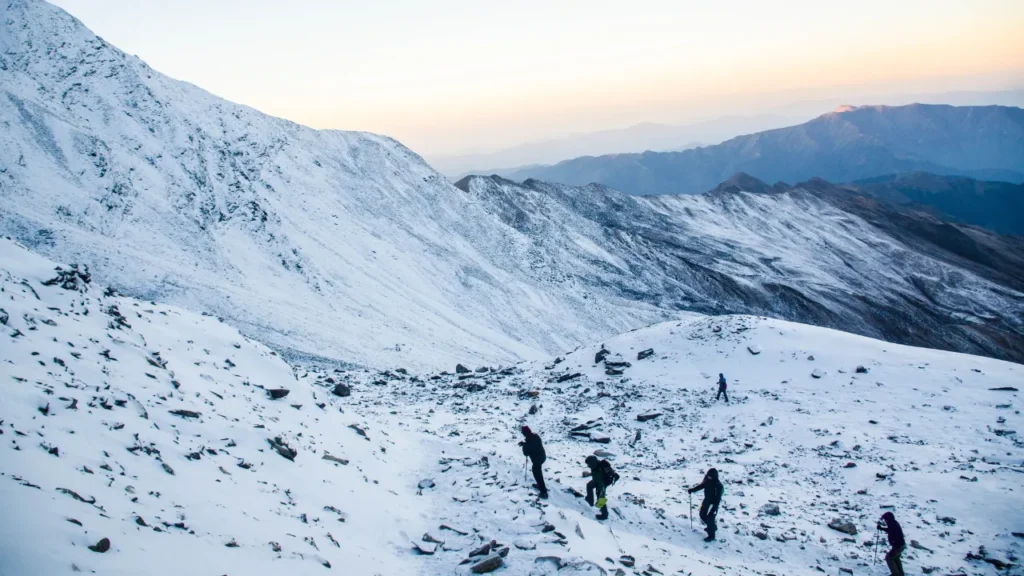
Nobody knows exactly why all the people were at Roopkund.
It is possible that some individuals were traveling as part of a pilgrimage to the holy Nanda Devi area.
The mountains around Roopkund have held cultural importance for local communities for a long time, and traditional folklore connects this region to Nanda Devi.
Another possibility is that different groups simply travelled through the region at different times. But there is still no complete answer.
Local Legend of Nanda Devi
According to the local story, a king was once travelling with his pregnant wife and a group of people.
It is believed that the group misbehaved during the journey. Nanda Devi became angry, and a terrible storm struck the travelers and the people killed in that storm.
This story is widely spread among the locals. However, there is no scientific evidence proving that this legendary event caused the deaths at Roopkund.
Want to uncover more mysteries from India? Explore the interesting facts about Dwarka.
Beautiful Side of Roopkund
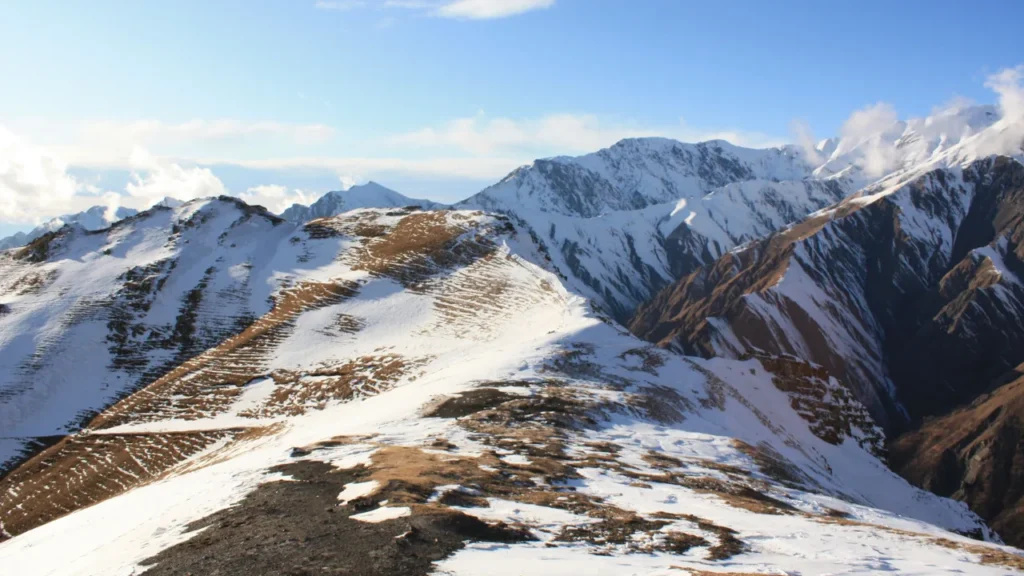
The actual landscape of Roopkund is completely different.
Surrounded by some of the most spectacular Himalayan views, this lake is a sight to behold. In the warmer months, the nearby high-altitude meadows turn green and colorful, with large mountain peaks rising up around them.
The strange contrast of stunning Himalayan views on one side and a centuries-old mystery on the other makes Roopkund one of the most captivating places in India.
Roopkund isn’t the only ancient mystery waiting to be explored. Discover the mystery of Dholavira.
Can You Visit Roopkund Today?
Yes, you can visit Roopkund as part of a high-altitude trek in Uttarakhand. The trek usually starts from Lohajung and takes you through beautiful forests, open meadows, and scenic mountain landscapes before reaching the lake.
Spring and summer are generally the best months for a trek, as the paths become much easier and the weather is quite pleasant. But remember that the trek can be physically demanding, so be prepared for that.
Conclusion
Roopkund reminds us that the Himalayas are not just about beautiful scenery.
Behind its snow-covered peaks and tranquil landscapes lies a centuries-old story. Science has helped us understand parts of it, while local folklore has added another layer to the mystery.
And with this Roopkund will continue to be one of India’s most intriguing mysteries.