
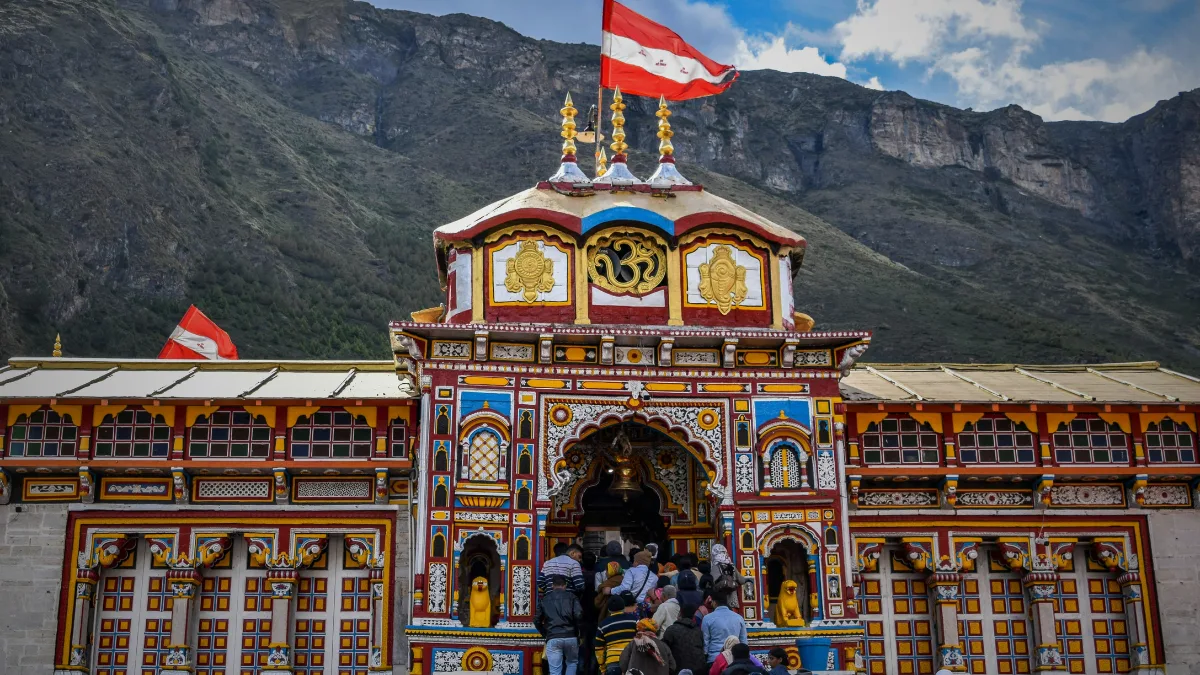
Badrinath is one of the important pilgrimage sites in India and is also included in the Char Dham Yatra. Every year thousands of devotees visit this shrine with devotion and faith.
But the stories associated with this holy shrine give an interesting touch to this site. So let’s understand why this is one of the most respected temples in Hinduism and what are the mythological stories of Badrinath.
Table of Contents
Where Is Badrinath?
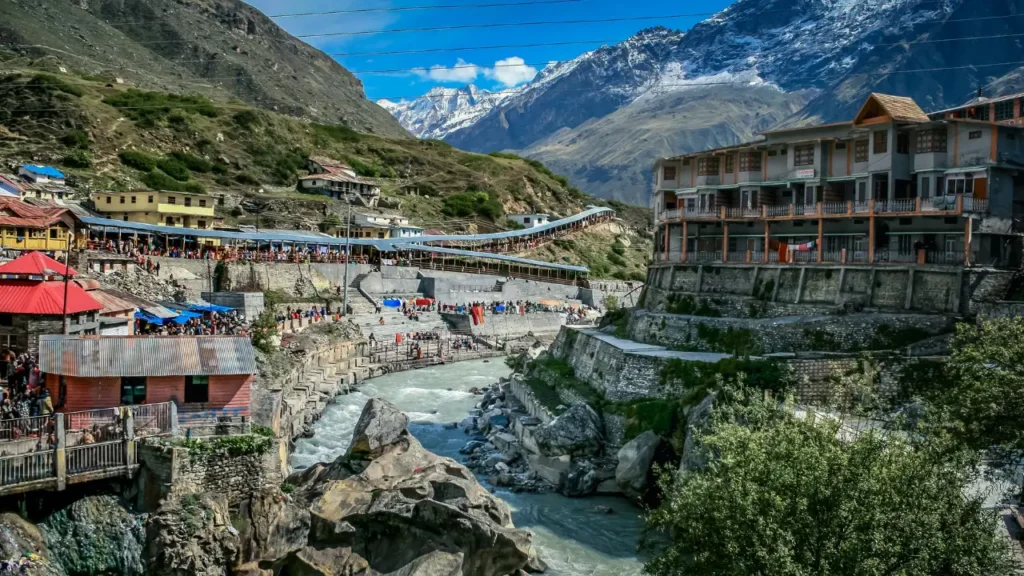
Standing at the altitude of around 3,300 meters (10,827 feet) in the Chamoli district of Uttarakhand, Badrinath lies on the banks of the holy Alaknanda River.
In addition to the Char Dham, it is one of the Bada Char Dhams and 108 Divya Desams, the sacred temples dedicated to Lord Vishnu.
Every year, lakhs of devotees travel through the Himalayan roads to seek the blessings of Lord Badrinarayan.
Why Is It Called Badrinath?
The name Badrinath comes from Sanskrit:
- Badri means the wild berry or jujube tree
- Nath means Lord
Together it forms the Lord of Wild Berry Forest.
Beautiful Story of Lord Vishnu’s Meditation
The most famous story begins with Lord Vishnu. It is believed that Vishnu came to this place to meditate peacefully. As time passed, the weather became harsh. Yet Lord Vishnu remained completely focused.
Seeing this, Goddess Lakshmi became worried. She transformed into a badri tree and stood beside him, protecting him from snow and storms.
When Lord Vishnu finally opened his eyes and saw Lakshmi’s great sacrifice, he was filled with love and gratitude. He declared that this place would always be known as Badrinath to honor her devotion.
Story of Lord Shiva and Badrinath
Another popular legend says that this place was once the home of Lord Shiva and Devi Parvati.
One day, Lord Vishnu appeared there as a small crying child. Hearing the child’s cries, Goddess Parvati felt great compassion and requested Lord Shiva to help him. They bought the child inside their home.
When Shiva and Parvati left, the child locked the door from inside and took over the place. When Shiva realized what had happened, he quietly accepted it and moved to Kedarnath, which is why the Kedarnath temple is so closely connected to Badrinath even today.
Tale of Nar and Narayan
Another special story associated with Badrinath is that of twin sages Nara and Narayana, considered incarnations of Lord Vishnu.
These twin sages performed intense penance in this area to keep the world in balance. People believe that their intense meditation brought peace and spiritual energy to the entire region.
Even today, you will hear about the mountains named after them, the Nara and Narayana peaks, which stand near Badrinath.
Sacred Alaknanda River & Tapt Kund
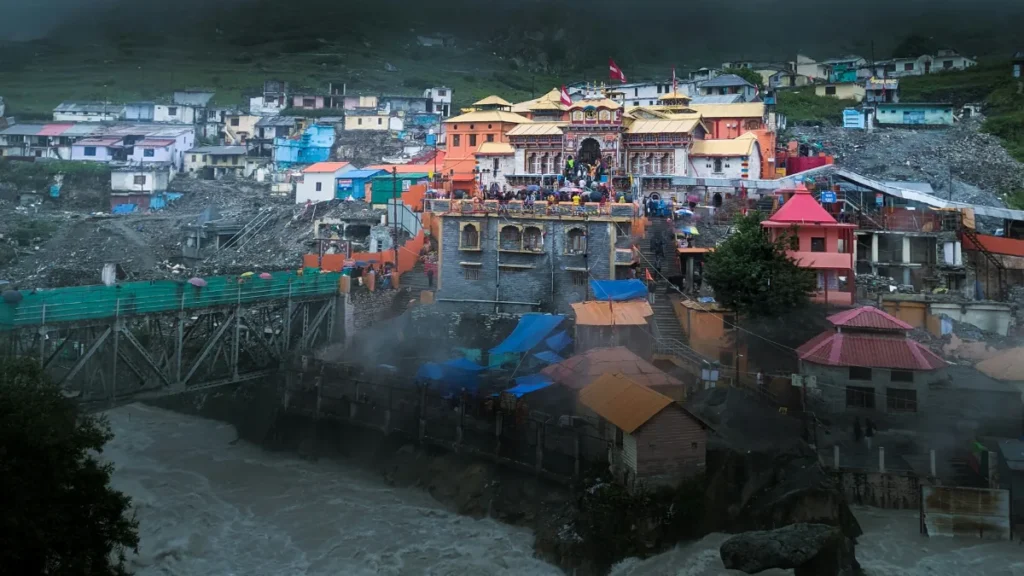
The beautiful Alaknanda River flows near the temple, and yes, it has its own story.
It is believed that this river has divine energy because it originates from the lotus feet of Lord Vishnu. Pilgrims consider taking a dip here before visiting the temple as a way to wash away their sins.
In the same way, before entering the temple, many pilgrims take a bath in Tapt Kund, a natural hot water spring located just below the temple.
Idol of Lord Badrinarayan
The main idol inside the temple is made of black stone (Shaligram). Lord Vishnu is shown sitting in a meditative posture rather than standing.
This serene form reminds devotees that true strength comes from peace of mind, patience, and devotion.
The Hidden Idol and Adi Shankaracharya
For a long time, Badrinath was lost and forgotten due to harsh weather and changing times. Then, in the 8th century, Adi Shankaracharya arrived in the area.
He rediscovered the idol of Lord Badrinarayan in the Narad Kund near the Alaknanda River and rebuilt the temple. His efforts made Badrinath an important center of devotion once again.
Pandavas and Their Final Journey
The epic Mahabharata also has a connection to Badrinath.
It is believed that the Pandavas passed through this place on their ultimate journey to heaven (Swargarohini). The path they walked is claimed to begin near Badrinath, making it both a site of prayer and a path to liberty.
And if you’re planning to visit Badrinath Temple anytime soon, make sure to check out the detailed travel guide—it’ll make your journey much easier.