
Kinnaur Kailash is one of Himachal’s most fascinating pilgrimage destinations.
Surrounded by towering mountains and beautiful valleys, Kinnaur Kailash is associated with Lord Shiva, filled with various ancient beliefs, and offers a thrill of a challenging trek. So, what makes Kinnaur Kailash so fascinating? Let’s take a closer look.
Table of Contents
Where is Kinnaur Kailash?
Kinnaur Kailash is located close to the Indo-Tibetan border in the Kinnaur district of Himachal Pradesh. As part of the Kinnaur Kailash range, it rises significantly above the neighboring valleys.
The region is well known for its beautiful snow-covered peaks, apple orchards, deep valleys, and traditional Himalayan villages. Reckong Peo and Kalpa are popular bases for travelers exploring the Kinnaur region.
Kinnaur Kailash is particularly special for devotees of Shiva. The main feature of the region is a naturally formed rock pillar, traditionally associated with a Shiva Lingam.
Story of Kinnaur Kailash
According to Hindu stories, Lord Shiva and Goddess Parvati are believed to reside here during the winter months. It is fourth among the Panch Kailash—the five sacred homes of Lord Shiva. It is believed that Lord Shiva held the divine assemblies here in the winter.
The famous thing here is a naturally formed rock pillar resembling a line, which is often referred to as a Shiva Lingam. This rock is 79 feet tall and changes its color during the day as the sun shines on it.
The name Kinnaur is believed to come from the word Kinnara.
According to Hindu mythology, Kinnaras are celestial beings known for their musical and singing talents. They are frequently referenced in the Mahabharata, Ramayana, and various Puranas as attendants in the divine courts of the gods. Local folklore suggests that these celestial beings inhabited this region, offering music and prayers to Lord Shiva.
Kinnaur Kailash Trek
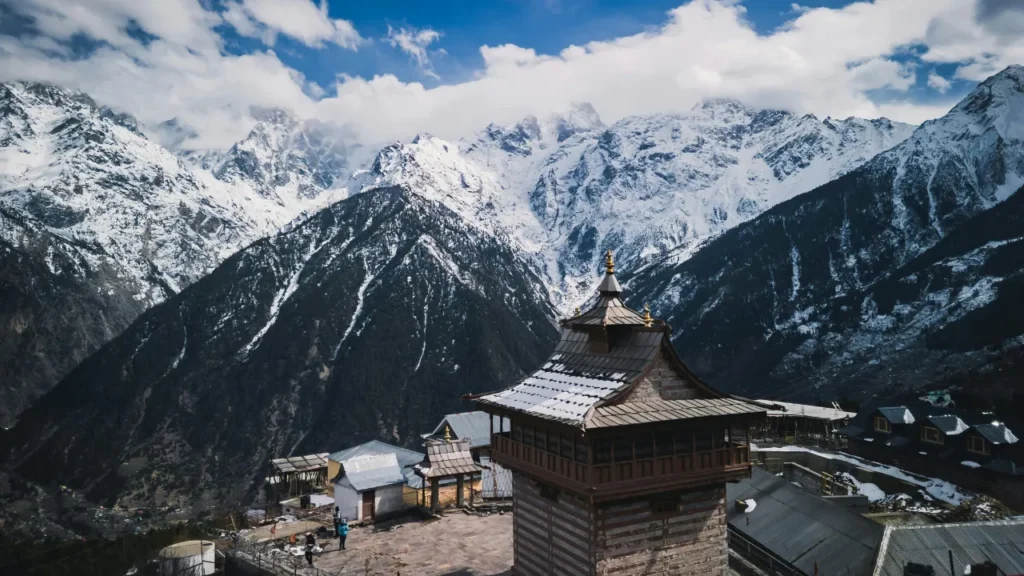
The Kinnaur Kailash Trek is regarded as one of the toughest journeys in the Himalayas. It is not easy, primarily because of the high altitude and steep path. The Yatra route is not always the same due to weather conditions and administrative decisions. Most people follow this route:
Day 1: Reckong Peo → Tangling
Reach the starting point, Tangling from Reckong Peo
Day 2: Tangling → Ganesha Park/Ashiqui Park
A steep 6-kilometer trek through pine woods, where the scenic valley views begin.
Day 3: Ganesha Park → Parvati Kund
Trek through high-altitude rocky paths to reach the sacred Parvati Lake.
Day 4: Parvati Kund → Shiva Lingam Viewpoint → Back
Most important day: Early morning trek from Parvati Kund to Kinnaur Kailash Shivling (at 6,050 m). Return to Ganesh Park.
Day 5: Return Journey
Descend back to Tangling Village and drive to Kalpa or Reckong Peo.
| Feature | Details |
| Starting Point | Tangling Village (near Reckong Peo) |
| Base Location | Reckong Peo / Kalpa |
| Trek Distance | ~35–50 km (round trip, depending on route) |
| Maximum Altitude | ~19,500 ft (approx) |
| Duration | 4 to 6 days |
| Difficulty Level | Difficult |
| Best Time | July to September |
| Permits Required | Yes (Forest + local permission) |
Difficulty Level
This is not a regular trek. You should be aware of the challenges you face during this journey.
Very steep climbs with thin air at high altitude and no proper shelters in many parts. The weather can change quickly. Even fit trekkers struggle here due to the altitude.
Best Time to Visit
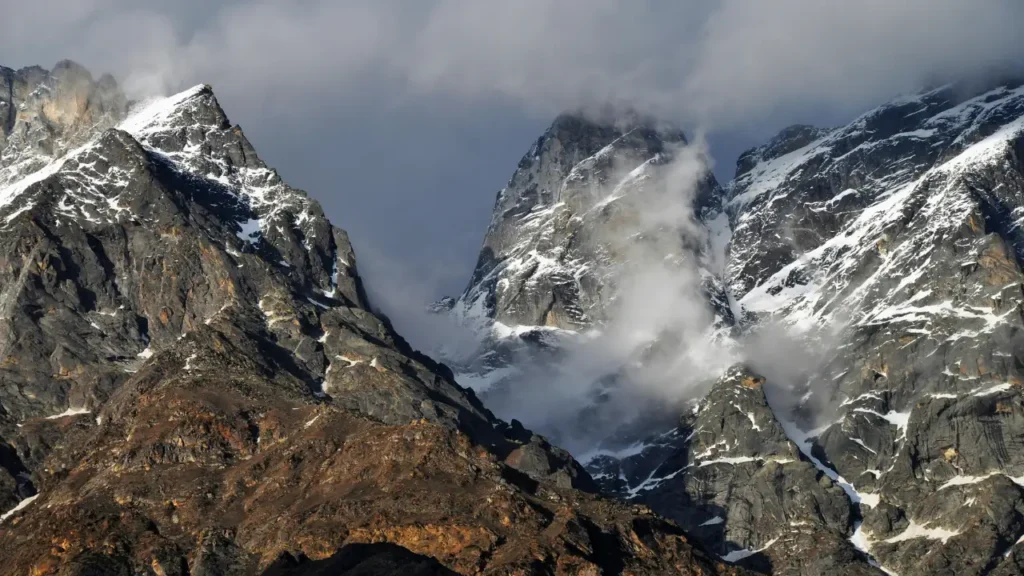
July to September is the only safe window to trek the Kinnaur Kailash. Snow starts melting during this time; the route becomes accessible, and with this, the weather is relatively stable.
Avoid winter because of heavy snowfall.
Packing List (Very Important)
Here’s what you must carry:
- Warm jackets (layered clothing)
- Trekking shoes with grip
- Raincoat/poncho
- Water bottles (hydration is key)
- Dry fruits/energy bars
- First aid kit
- Torch/headlamp
- Walking stick (highly recommended)
Stay & Food Options
- Basic homestays in Reckong Peo and Kalpa
- Camps during trek (self-arranged or guided groups)
- Simple food like rice, dal, maggi, and tea
Don’t expect luxury—everything is basic but enough to survive.
Important Tips Before You Go
- Acclimatization is very important
- Hire a local guide (highly recommended)
- Don’t underestimate altitude sickness
- Start fitness training at least 3–4 weeks before
- Respect local traditions and the environment
Final Thoughts
The Kinnaur Kailash Trek is not just a journey through the mountains; it is a test of patience, endurance, and mindset. It is a challenge for your body, but it gives you views and experiences that you will never forget.
If you want something raw, spiritual, and truly adventurous, this trek should be on your bucket list.