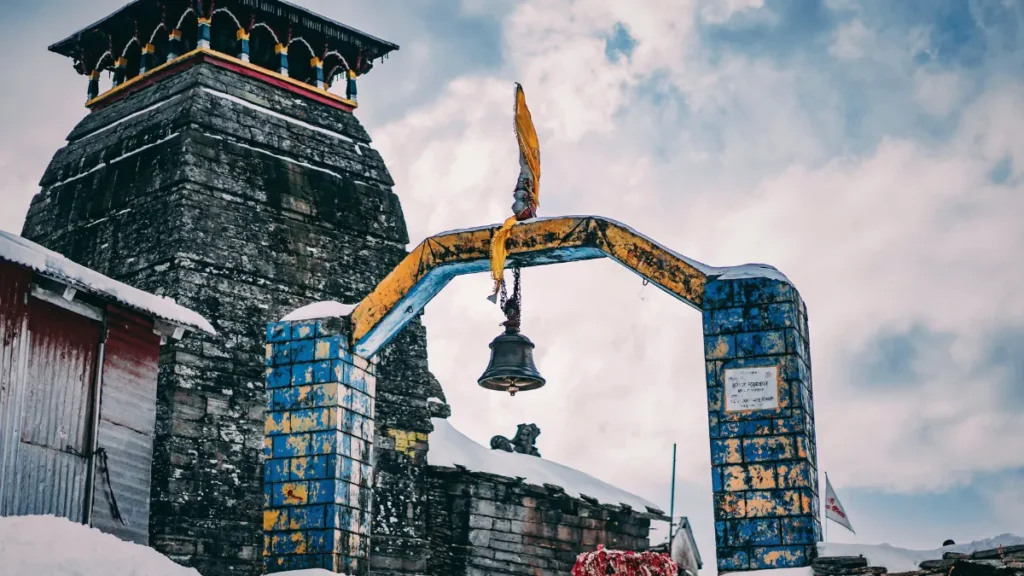
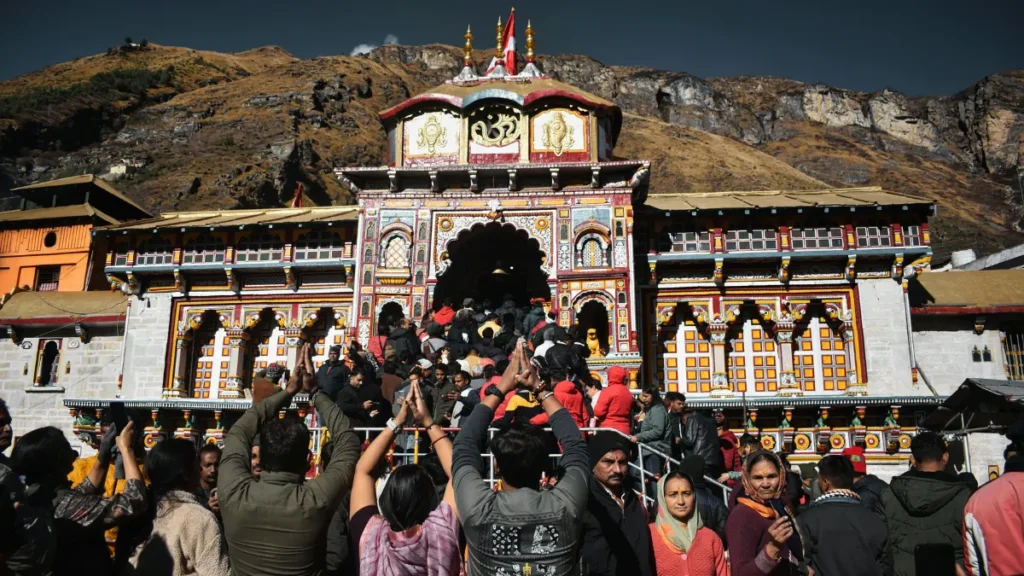
If there is one spot in India where spirituality meets raw Himalayan beauty in the most natural way, it must be Badrinath Temple. Tucked deep in the stunning hills of the Garhwal Himalayas, this sacred town isn’t just about reaching a temple—it’s about everything you experience along the way.
And believe me, if this is your first time, you are in for an incredible experience.
The Magical Journey
Let’s be honest: the journey to Badrinath is not exactly a nice highway ride. But that’s what makes it special.
Most people start their journey from Haridwar or Rishikesh. From there, you’ll pass through iconic locations such as Devprayag, where the Alaknanda and Bhagirathi rivers meet to form the Ganga. The entire path is full of twisting mountain roads, waterfalls, and views that don’t seem real.
Yes, the drive can be long (10-12 hours or more depending on stops), but each turn provides a new reason to pause, breathe, and soak it all in.
Legend of Badrinath
The temple is dedicated to Lord Vishnu in his avatar as Badrinarayan. It is one of the four sacred Char Dham sites and bears enormous significance in Hinduism.
According to legend, Lord Vishnu meditated here while Goddess Lakshmi disguised herself as a Badri tree to protect him from the elements. That is where the name “Badrinath” derives from.
Another intriguing aspect is that the temple was re-established by Adi Shankaracharya in the 8th century, making it not just spiritual but also firmly anchored in Indian culture.
If you have interest in the stories related to Badrinath, you’ll love to study them deeply.
Things You Should Know Before You Go
Let’s be practical for a moment—a trip like this requires some planning.
1. Best Time to Visit: The temple normally opens in April/May and closes in November due to the harsh winters. The optimal months are May-June and September-October. Avoid the peak monsoon season if possible due to landslides. In 2026, the shrine is open from 23 April 2026, and you can register your e-pass from the official website.
2. Weather Reality Check: Even in the summer, mornings and nights are cold. Carry warm clothes, including coats, gloves, and thermals.
3. Physical Preparation: You don’t have to be super fit, although the altitude (about 3,300 meters) can have an impact on you. Walk slowly, stay hydrated, and allow your body to adjust.
Many travelers combine Badrinath with Kedarnath Temple to complete their spiritual circuit—something you should definitely consider if time allows.
Must-Experience
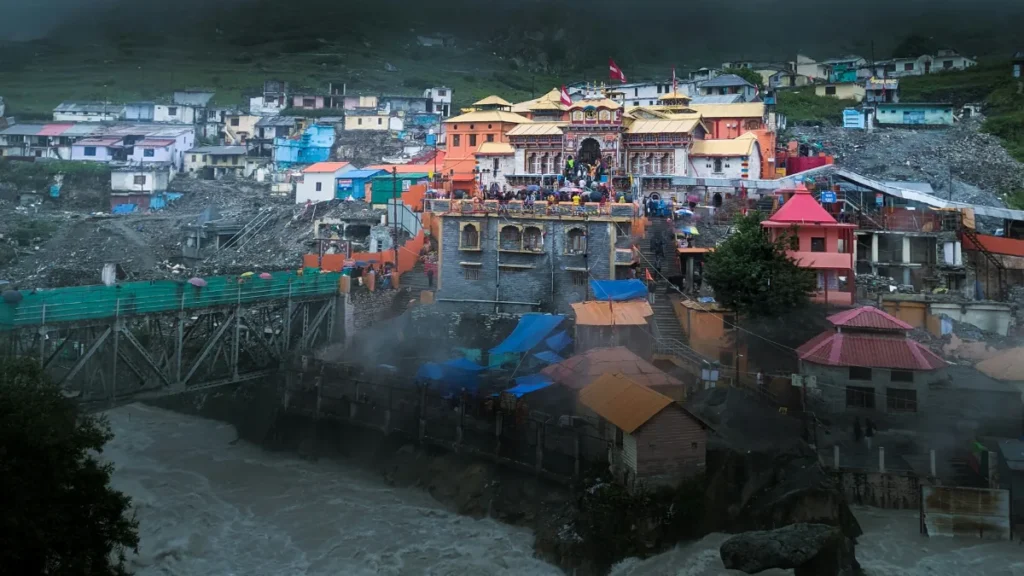
Your journey wouldn’t be complete without these:
- Tapt Kund: A natural hot spring near the temple. Taking a dip here before darshan is thought to cleanse the soul—and it feels wonderful in the cold weather.
- Mana Village: Just 3 km from Badrinath, this is the last Indian village before the Indo-Tibetan border. You’ll find places like Bheem Pul and the legendary Vyas Gufa, linked to the Mahabharata.
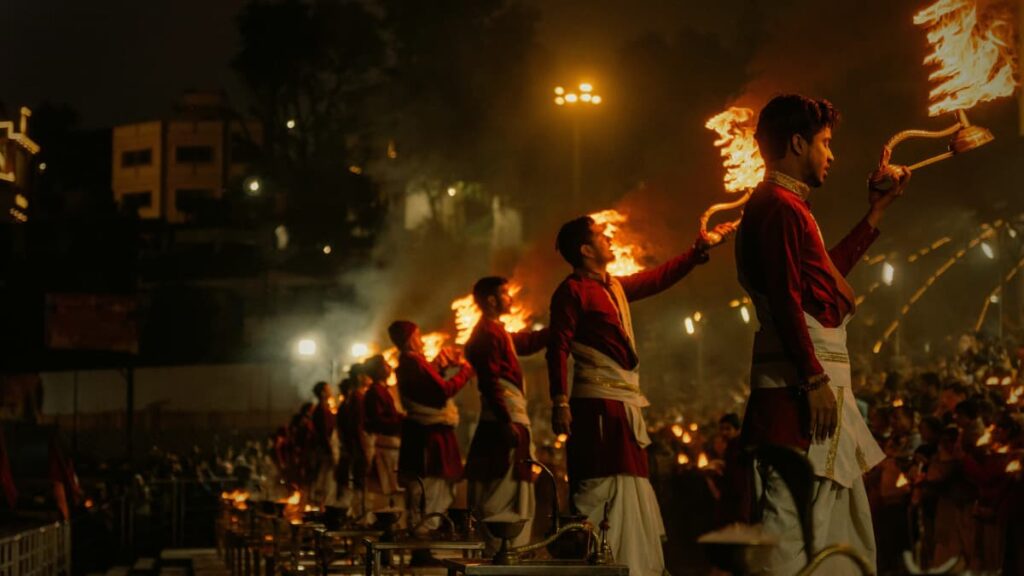
- Evening Aarti: Don’t miss this. The vibe during the aarti is unique—chants, lamps, and the mountain backdrop create an unforgettable experience.
Essentials You Should Carry
Keep it simple but smart:
- Warm clothes
- Comfortable shoes for walking
- Basic medicines (especially for altitude sickness)
- Power bank
- ID proofs and some cash
More Than Just a Religious Trip
Here’s the thing—Badrinath isn’t only for the deeply spiritual.
Even if you simply enjoy mountains, tranquility, and meaningful travel, this area will stay with you. There’s something profound about breaking away from your daily routine and being surrounded by nothing but nature and devotion.
You’ll meet different kinds of individuals here, including families, solo travelers, and elderly pilgrims, and each has their own motive for visiting.
Before you pack your bags, don’t forget to book your Badrinath Yatra from the official portal.
Final Thoughts
A trip to Badrinath isn’t just about ticking off a destination from your list. It’s about slowing down, embracing the journey, and feeling something deeper than just “travel.”
Whether it’s your first spiritual journey or just another mountain retreat, Badrinath has a way of leaving an impression on you—quietly but powerfully.
And when you return, don’t be surprised if a part of you still feels like it’s in those mountains.