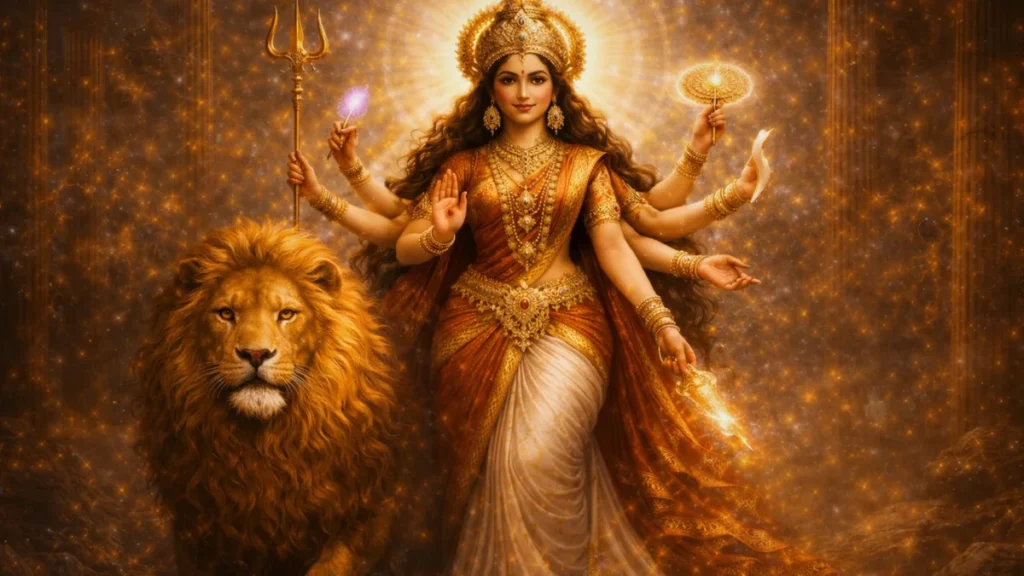
When we talk about strength, dedication, and divine feminine energy, one name instantly comes to mind: Maa Durga. During Navratri, followers around India honor her 9 mighty forms, lovingly known as Navdurga. Each day signifies a distinct manifestation of the Goddess, and each form bears its own meaning and blessing.
Let’s explore each form.
Maa Shailaputri – The Daughter of the Mountains
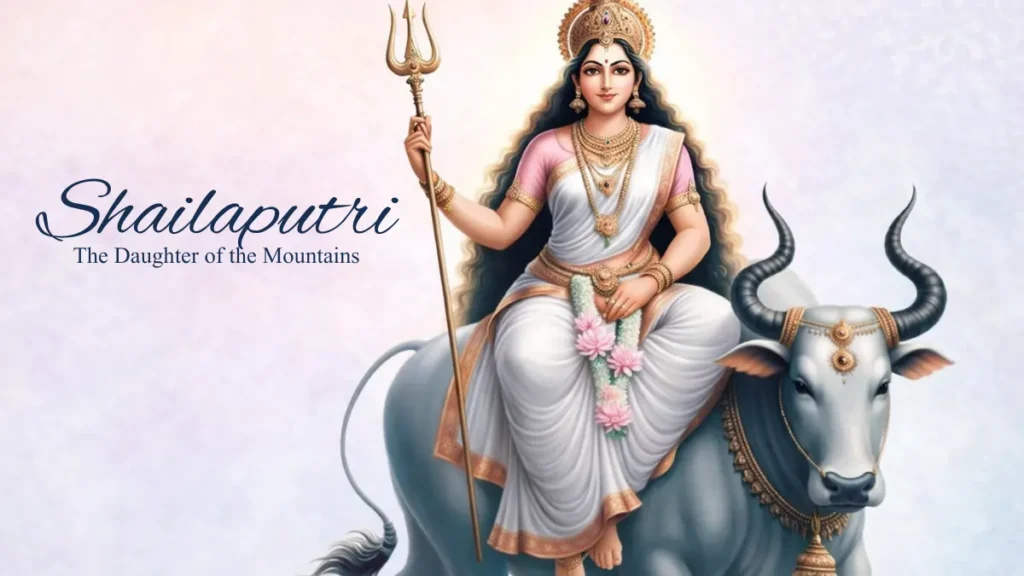
Maa Shailaputri is worshipped on the first day of Navratri. She is known as the daughter of the mountains (Himalayas). This form represents a fresh start with solid foundations.
Maa Shailaputri teaches us to be grounded in life, just as mountains are firm and unshakeable. When you pray to her, you’re asking for stability, confidence, and the strength to start something new.
Maa Brahmacharini – The Goddess of Tapasya
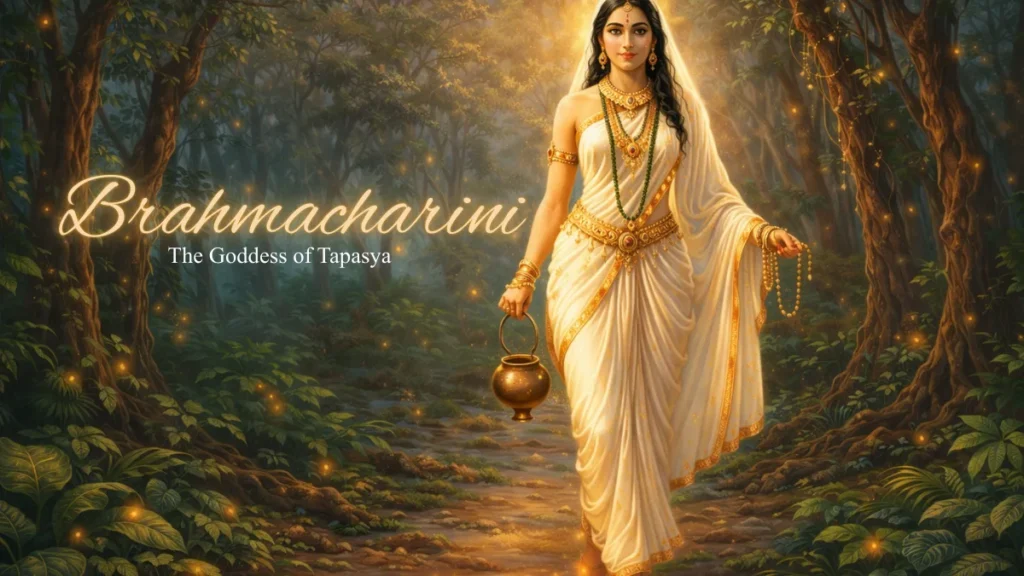
We worship Maa Brahmacharini on the second day. She represents patience, penance, and devotion. Her modest appearance serves as a reminder that focus and discipline are the sources of true power.
This form encourages you to persevere and not give up midway if you are working hard to achieve a goal. She teaches us that consistency is the key to success.
Maa Chandraghanta – The Warrior Goddess
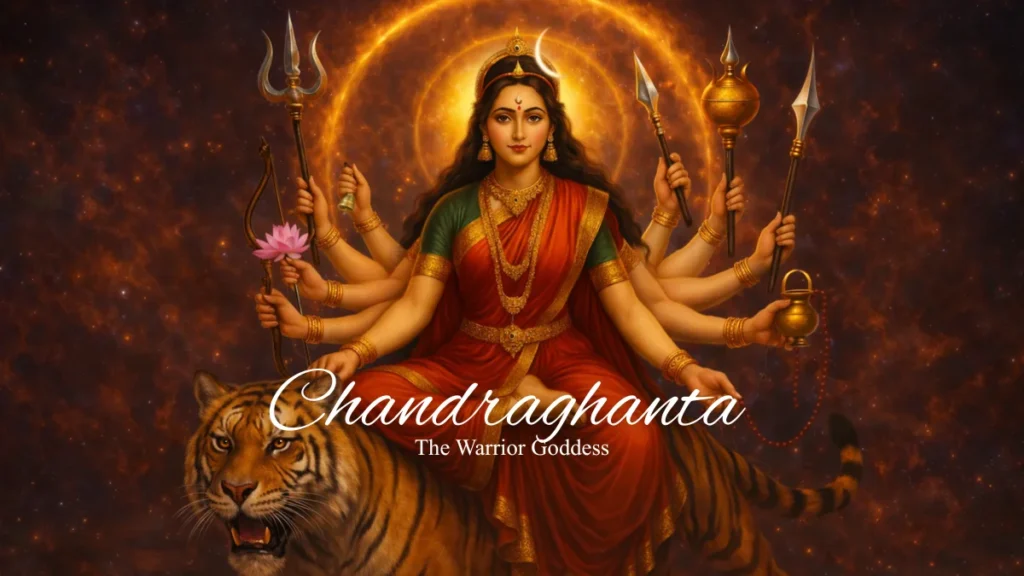
Maa Chandraghanta is honored on the third day. As a warrior goddess, she is always ready to defend her worshipers. She is a sign of courage and vigilance, with a bell-shaped crescent moon on her forehead.
Here’s the nice thing: despite her ferocity, she calms her followers. She reminds us to be both strong and calm.
Maa Kushmanda – Creator of the Universe
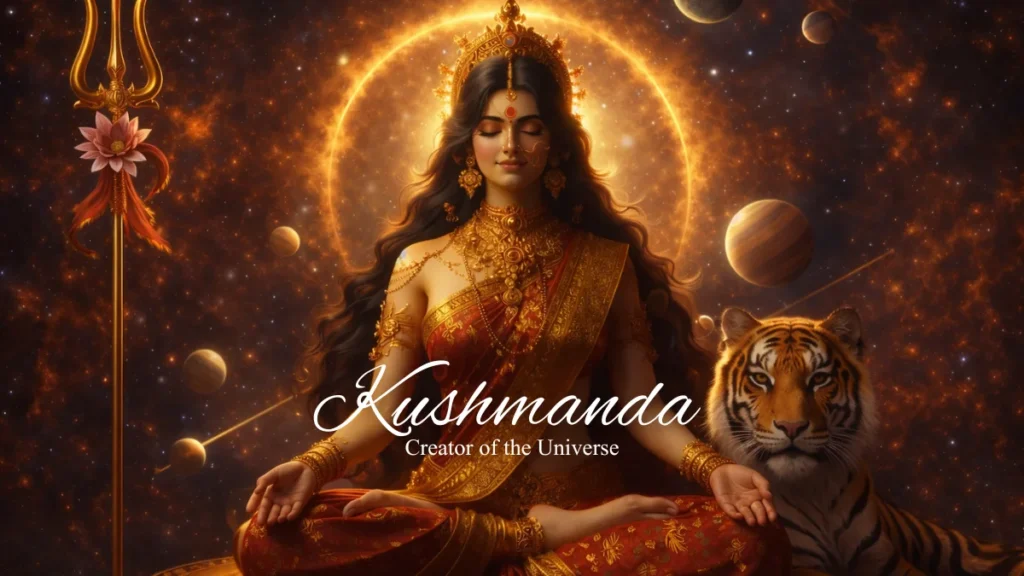
On the fourth day, Maa Kushmanda is worshipped. Her divine smile is thought to have created the universe. This form stands for cosmic energy and positivity.
Think of her as the source of energy and light whenever you’re feeling depressed or exhausted. She shows us that a tiny smile can make a big difference.
Maa Skandamata – Mother of Kartikeya
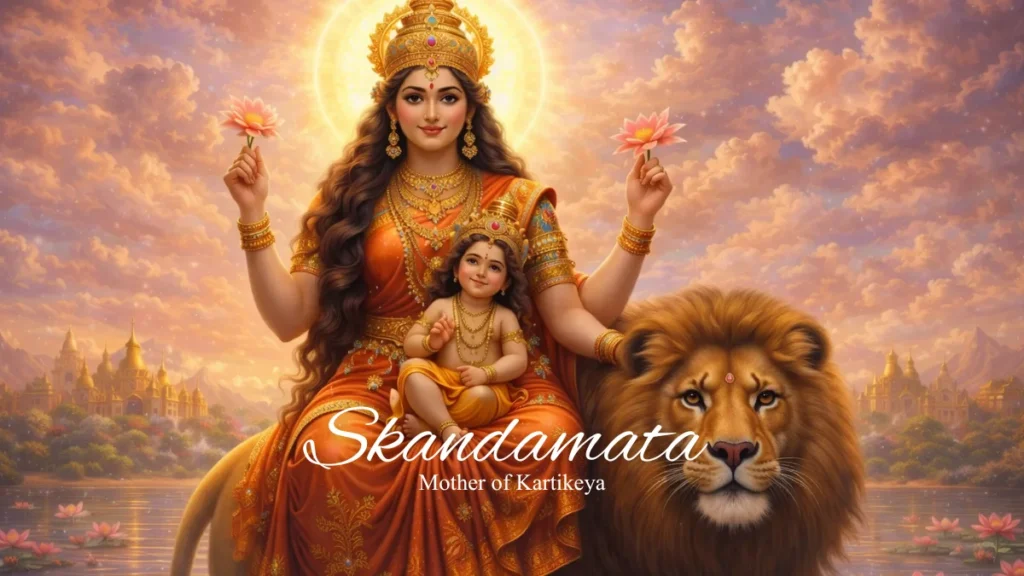
Maa Skandamata, the mother of Lord Kartikeya, is worshiped on the fifth day. She represents protection and unflinching love. Her form embodies one of the most powerful forces in the world: motherhood.
It is said that praying to her will bring family harmony, wealth, and wisdom. She reminds us to nurture and care for others.
Maa Katyayani – The Fierce Protector
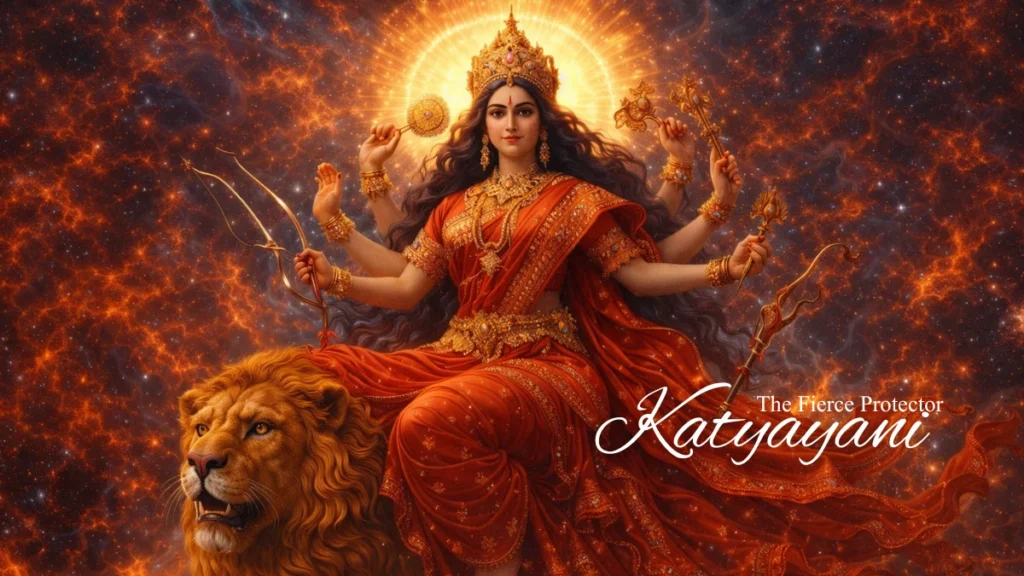
On the sixth day, we honour Maa Katyayani. She took birth to defeat the demon Mahishasura. This form represents courage and righteousness. She encourages us to resist injustice and overcome our own fears.
Many young girls pray to her for strength and happiness. She reminds us that we all have the capacity for bravery.
Maa Kalaratri – Destroyer of Darkness
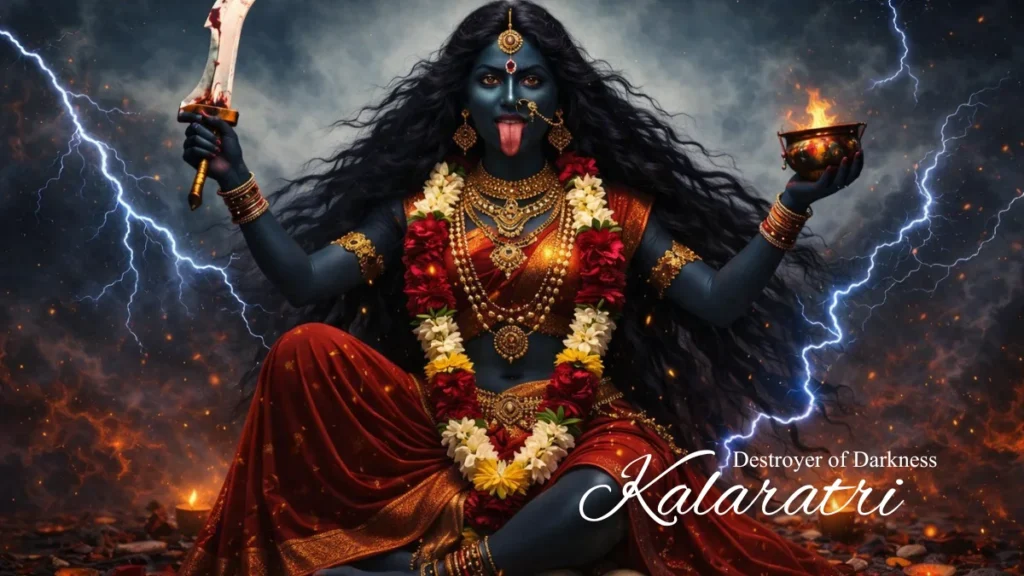
Maa Kalaratri is honored on the seventh day. Her appearance may be harsh and intimidating, but she protects her followers from negativity and evil.
She represents the eradication of fear and darkness from life. She explains that sometimes we must address our fears in order to overcome them.
Maa Mahagauri – Symbol of Purity
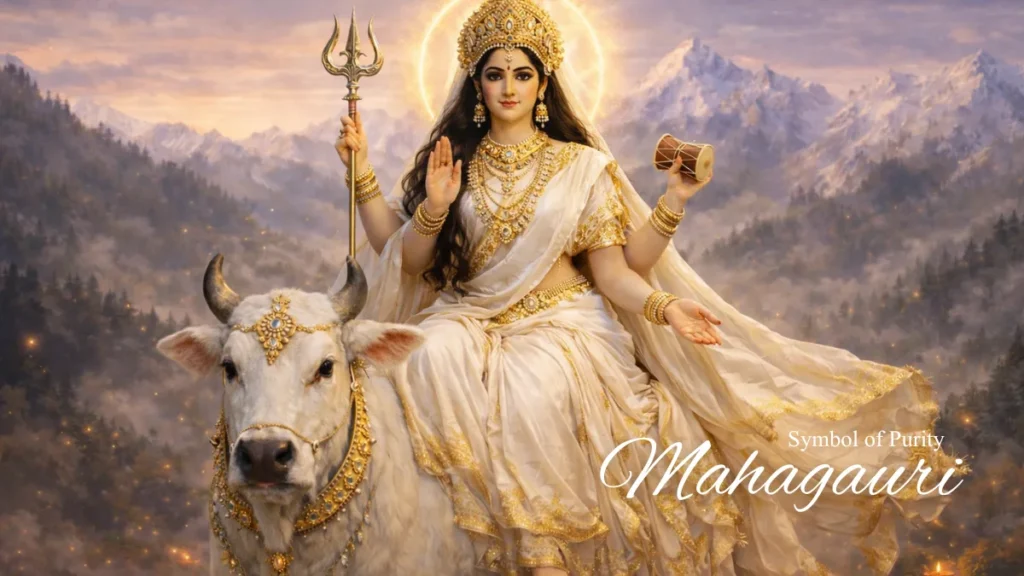
The eighth day honours Maa Mahagauri. She embodies peace, forgiveness, and purity. Following the violent energy of Kalaratri, this form brings peaceful calmness.
She claims that after every adversity, there is calm and clarity. Worshiping her is supposed to provide both pleasure and stability.
Maa Siddhidatri – The Granter of Siddhis
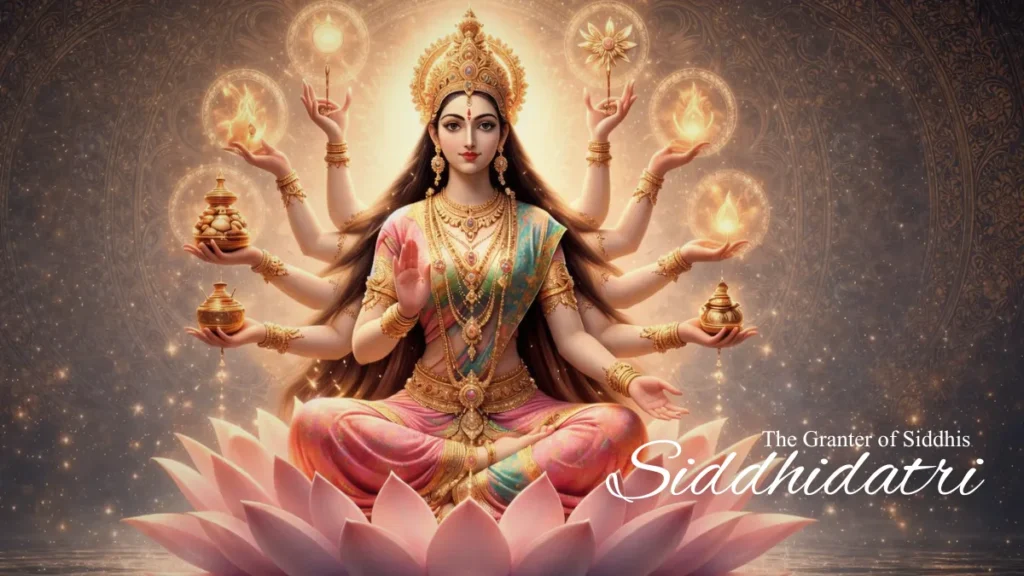
The ninth and last day is devoted to Maa Siddhidatri. She bestows spiritual powers and fulfills wishes. This form symbolizes completion and divine grace.
After passing through the stages of strength, commitment, courage, and purity, we arrive at a condition of fulfillment. She emphasizes that spiritual progress is the ultimate goal.
Also learn about Chaitra Navratri 2026 – Dates, Significance & Rituals
A Divine Takeaway
Maa Durga’s nine divine incarnations are more than just mythological tales. They stand for various stages of our own life journey, from fresh starts to ultimate achievement. Navratri serves as a reminder that each of us possesses divine power.
Therefore, this Navratri, learn the significance of each day rather than just celebrating. Make contact with the energy, absorb the lessons, and proceed with assurance.
Jai Mata Di