
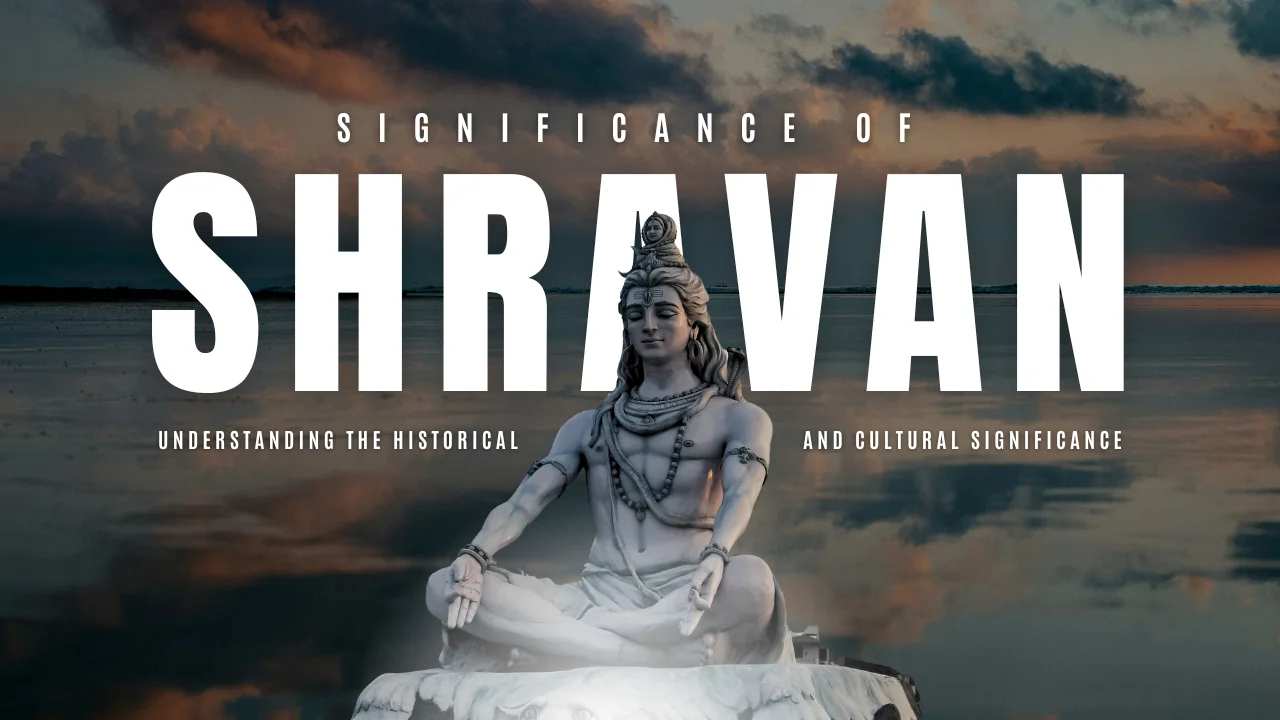
The moment rain begins to fall and the air feels fresh, something really special also begins in India—Shravan Month.
But have you ever wondered why Shravan is so important in Hinduism? Why is it the favorite month of Lord Shiva? And why do millions of people fast every Monday?
Whether you’re deeply religious or just curious about Indian traditions, this guide will help you understand everything about Shravan in very simple words. Let us understand why Shravan holds such a place in Hinduism.
Table of Contents
What Is Shravan Month?
Shravan (also known as Sawan) is the holiest month in the Hindu calendar. It usually falls between July and August in the monsoon season.
The month gets its name from the Shravan Nakshatra, which is one of the 27 lunar constellations. In this period the nature becomes greener than ever, the rivers get full, and the atmosphere becomes calm and peaceful.
For Hindus, especially the devotees of Shiva, this month holds great importance and is the best time for prayers, fasting, and spiritual growth.
Why Is Shravan Dedicated to Lord Shiva?
Shravan month is considered auspicious due to both mythological significance and seasonal energy. There are several stories that connect Shiva and Shravan month, but one of the most famous comes from the Samudra Manthan (the Churning of the Ocean).
According to Hindu belief, during the Samudra Manthan, when the Devas and the Asuras churned the cosmic ocean, a deadly poison called Halahala came out first. The poison was so powerful that it could destroy the entire universe.
Lord Shiva consumed this poison and held it in his throat, which turned his throat blue, earning him the name of Neelkanth.
To cool down the effect of the poison, gods offered water, milk, and sacred leaves to Shiva.
This is why devotees still pour water on the Shiva Lingam during Shravan as a symbol of gratitude and devotion.
In 2026, Shravan starts on 30th July and ends on 28 August.
Sawan Somwar Vrat
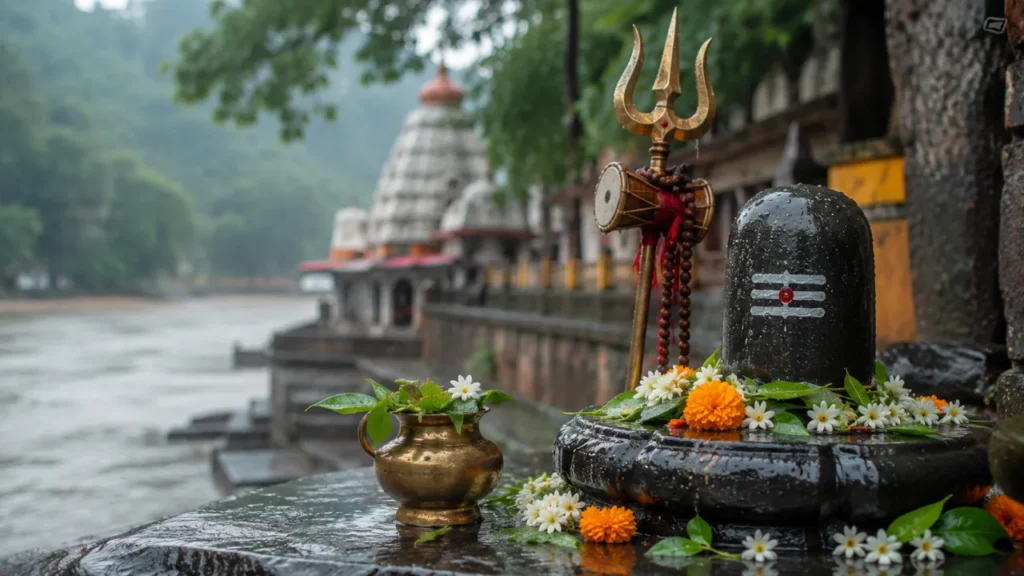
One of the biggest highlights of the Shravan month is the Sawan Somwar Vrat, which is the Monday fasting. Mondays are already considered the days of Lord Shiva, and during Shravan every Monday becomes more sacred.
Devotees usually do the following things:
- Observe fast
- Visit Shiva temples
- Offer milk, honey, water, bilva leaves (bel patra), and dhatura
- Chant “Om Namah Shivaya”
- Perform Rudrabhishek
It is believed that the Sawan Somwar vrat brings marital happiness, good health, financial stability, and removal of obstacles.
Increase your aura energy with this certified 7-mukhi rudraksha pendant.
Why Are Bilva Leaves Offered to Shiva?
Bilva (Bel) leaves are considered extremely dear to Shiva. In the month of Shravan, every devotee offers these sacred leaves to Shiva Lingam. According to Hindu beliefs:
- The three leaflets represent Shiva’s three eyes
- They also symbolize creation, preservation, and destruction.
- Offering Bilva leaves is believed to remove negativity and bring blessings.
This is why Bel leaves are the important offerings during Sharvan.
Kanwar Yatra
One of the biggest events of Shravan is the Kanwar Yatra.
During this, the devotees called Kanwariyas walk hundreds of kilometers to the holy places and bring the sacred water of the rivers, like the Ganga. They carry the water in beautiful decorative bamboo structures called Kanwars.
After reaching their local Shiva temple, they offer the water to the Shiva Lingam. This journey is filled with devotion and faith.
Spiritual Meaning of Shravan
Shravan is not about rituals; it is deeply symbolic.
- Fasting and prayers help cleanse the mind and body.
- It encourages focus on spirituality over material distractions.
- Since it is monsoon season, the environment itself feels calm, fresh, and reflective.
Shravan month is a time for spiritual growth and connection with Lord Shiva.
Rituals Followed During Shravan
Apart from Monday fasting, devotees follow other rituals:
- Visiting Shiva temples
- Chanting Shiva mantras like Mahamrityunjaya Mantra
- Offering milk and water to Shiva Lingam
- Reading the Shiv Puran or listening to Shiva stories
- Wearing simple clothes and maintaining a simple lifestyle.
Food Rules During Shravan Fast
Food plays an important role during this month. Common vrat-friendly foods are fruits, milk, curd, sabudana, potatoes, and rock salt. People prefer to eat the satvik food during this period.
Foods usually avoided: onion, garlic, non-veg, alcohol, etc.
The idea is to keep food simple, pure, and easy to digest.
Regional Celebrations of Shravan
Shravan is celebrated across India in different ways:
- North India: Sawan Somwar and Kanwar Yatra
- Maharashtra: Shravan Mondays and festivals like Nag Panchami
- South India: Shravan rituals in Shiva temples and Varalakshmi Vratam
- Gujarat & Rajasthan: Fasting and devotional singing
Each region adds its cultural flavor, but devotion to Lord Shiva remains common everywhere.
Important Festivals in Shravan
Shravan is filled with auspicious festivals:
- Nag Panchami
- Shravan Somwar
- Shravan Shivrati
- Hariyali Teej
- Raksha Bandhan
Famous Shiva Temples to Visit During Shravan
- Kashi Vishwanath, Varanasi
- Omkareshwar, Madhya Pradesh
- Somnath, Gujarat
- Mahakaleshwar, Ujjain
- Kedarnath, Uttarakhand
- Baidyanath Dham, Jharkhand
- Trimbakeshwar, Maharashtra
- Grishneshwar, Maharashtra
- Rameshwaram, Tamil Nadu
- Bhimashankar, Maharashtra
Shravan month is not just a religious period but a journey of faith, discipline, and inner transformation. Whether someone follows strict fasting or simply offers daily prayers, the essence remains the same: devotion to Lord Shiva and purification of mind.
In today’s fast-moving world, Shravan reminds us to slow down, reflect, and reconnect with spirituality.
Frequently Asked Questions (FAQs)
-
Is fasting compulsory during Shravan?
No. Fasting is a personal choice.
-
Why is milk offered to Shiva?
Milk is considered pure in Hinduism. According to tradition, it also helps to cool the effect of the poison that Shiva consumed.
-
Can anyone observe Shravan fast?
Yes. Men, women, and even young people can fast based on their health and beliefs.