
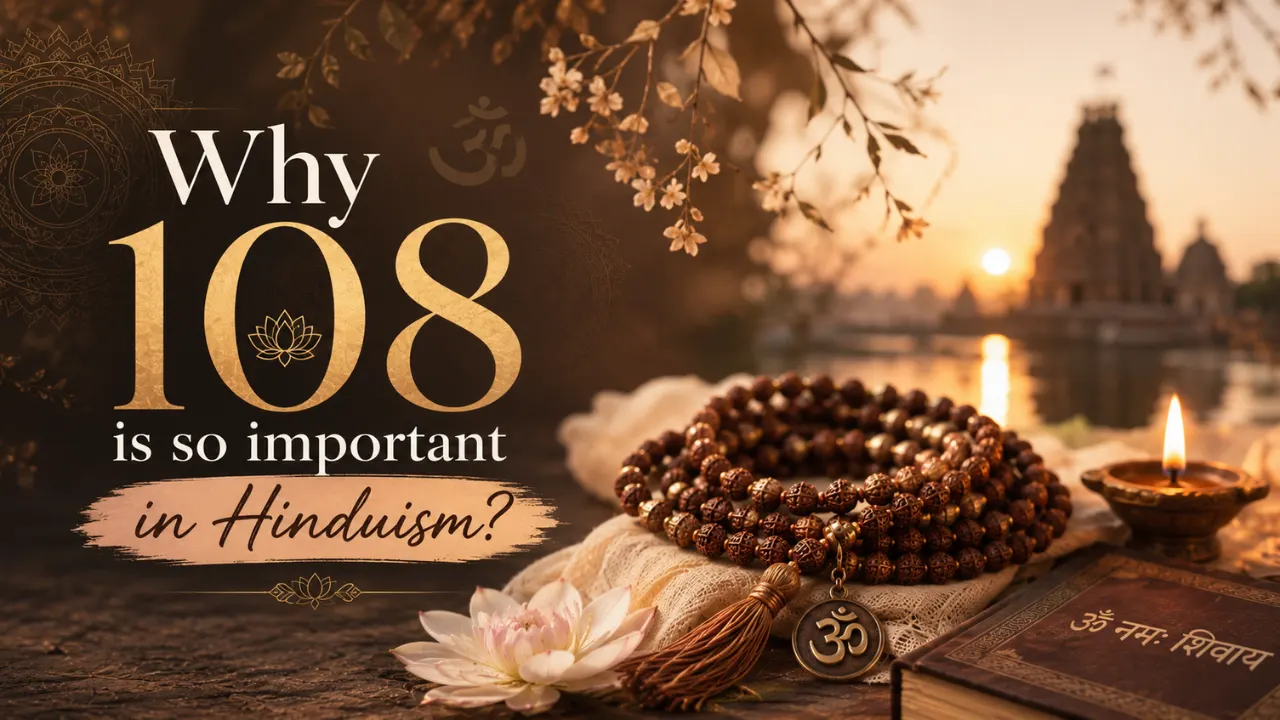
Have you ever noticed that in Hinduism the number 108 appears almost everywhere?
A mala has 108 beads, mantras are chanted 108 times, temples have connections to this number, and even yoga and meditation traditions consider it special.
Over centuries this sacred number has found a special place in prayers, scriptures, and even in astronomy. It is believed to represent the universe and the connection between humans and the divine.
Let’s uncover the stories, beliefs, and fascinating facts that make 108 one of the most sacred numbers in Hinduism.
Table of Contents
What Makes 108 So Special?
In Hinduism, the number 108 holds an important place, appearing multiple times in scriptures, yoga, prayer, mantra chanting, and even in Vedic astrology.
It’s not just a random coincidence—over thousands of years, the number has become a symbol of devotion, balance, and spiritual growth. The number brings faith, nature, philosophy, and ancient knowledge together.
For people, it’s the connection between the human soul and the universe. In Hindu culture, you’ll see this number again and again.
Spiritual Meaning of 108
The number is explained in the following way by many spiritual teachers:
- 1 → The divine consciousness (God) or the ultimate truth
- 0 → Emptiness and humility
- 8 → Infinity (∞ when turned sideways)
Together, these numbers remind us of the journey from the soul to the infinite divine.
Connection Between 108 and Ancient Astronomy
One of the most fascinating reasons behind 108 is rooted in astronomy. Ancient scholars noticed interesting relationships between the Earth, Sun, and Moon.
- The distance between Earth and the Sun is approximately 108 times the Sun’s diameter.
- The distance between Earth and the Moon is approximately 108 times the Moon’s diameter.
This means that when we gaze at the Sun and Moon from Earth, they appear almost the same size in the sky, resulting in a stunning cosmic balance. Many believe this reflects the harmony of the universe.
Why Do Prayer Malas Have 108 Beads?
Whenever people chant mantras like the Gyantri mantra or Mahamrityunjay mantra, they often use a jaap mala with 108 beads.
Each bead represents one repetition of the mantra, and completing all 108 beads represents completion of one full cycle of prayer and meditation.
The mala has one extra bead called the Guru bead or Meru bead, which is not crossed. This shows the respect for the guru, the divine, or the source of spiritual knowledge.
Increase your aura energy with this certified 7-mukhi rudraksha pendant.
108 Upanishads
The Upanishads are among the most respected spiritual texts in Hindu philosophy. These texts focus on spiritual questions like, Who am I? What is the soul? What is the ultimate truth?
Traditionally, there are 108 Upanishads, which collectively form a wealth of spiritual knowledge in Hindu culture.
Just as a circle has no beginning or end, the wisdom of the Upanishads leads seekers to a deeper sense of reality, beyond fear, ego, and illusion, and that’s another reason the number 108 is connected to wisdom and spiritual knowledge.
Hindu Deities Often Have 108 Names
Many Hindu gods and goddesses, like Shiva, Vishnu, Durga, and Ganesha, are worshipped through 108 sacred names, known as Ashtottara Shatanamavali.
Each name signifies a different quality, power, or form of the deity. Chanting these names is considered a beautiful act of devotion.
Importance of 108 in Yoga
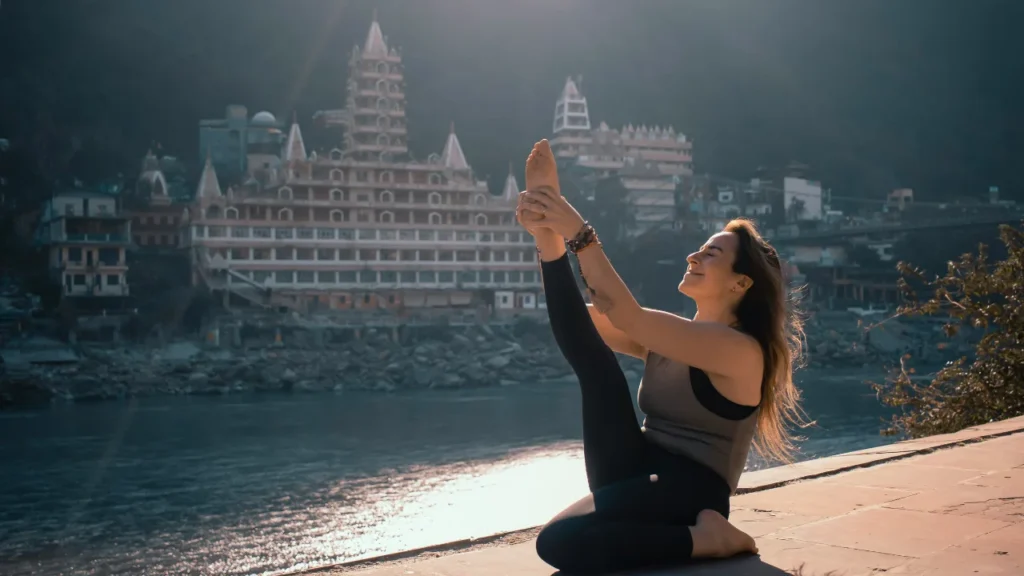
Yoga also gives a special place to this number. You may see that many yoga practitioners:
- Perform 108 Sun Salutations (Surya Namaskar) on special occasions.
- Chant “Om” 108 times.
- Practice breathing exercises using this sacred count.
It is believed that completing 108 repetitions helps to improve focus, patience, and inner peace.
108 in Vedic Astrology
Vedic astrology views life on Earth as a reflection of celestial movements. As per Hindu mythology,
- There are 12 Zodiac signs
- And there are 9 planets called Navagrahas
When multiplied, 12 × 9 equals 108.
Many people believe it reflects the full effect of cosmic energy on human existence.
108 Nakshatra Padas
According to Vedic astrology, the night sky is split into 27 equal sections called nakshatras, and the moon passes through one section every day.
The Nakshatra is further divided into 4 equal parts called padas. So in total there are 108 padas.
The moon is associated with the mind and emotions of the human. This shows that the number also affects the psychology. It captures the various moods, thoughts, and emotions that shape human life.
Just as the moon passes through different constellations, our emotions also shift. It is believed that chanting or meditating 108 times helps calm these inner waves and brings back emotional balance and clarity.
Ayurveda and the Human Body
According to Ayurveda and yogic traditions:
- There are 108 vital energy points (marma points) in the human body.
- These points are connected to the flow of life force, known as prana.
Although modern science and traditional Ayurveda describe the body differently, this belief is essential to many healing and spiritual practices.
108 Dance Movements
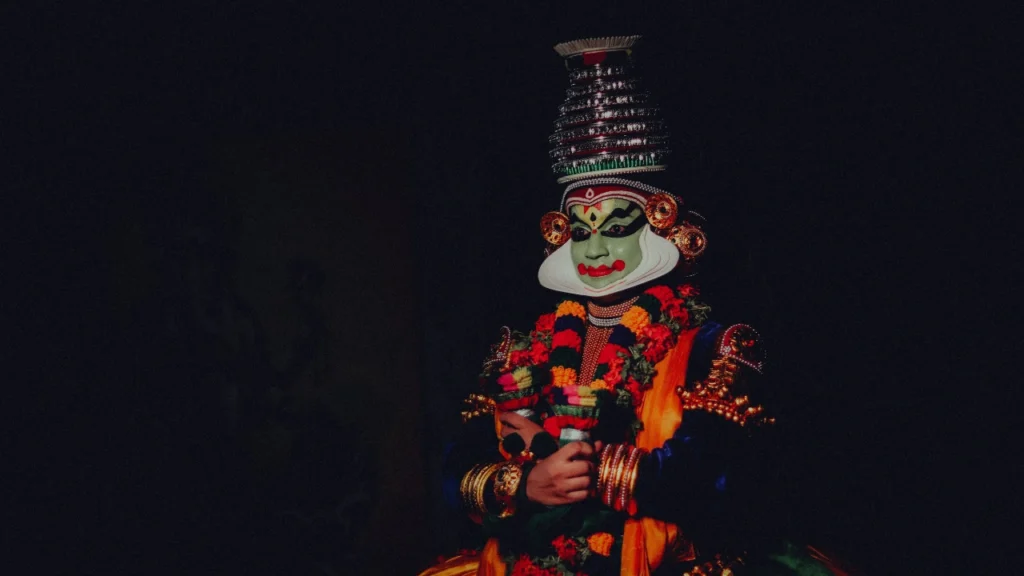
In ancient tradition, dance was not seen as entertainment; it was a kind of worship. In Natyashashtra, there are 108 traditional dance movements, which are called 108 Karanas. Even if it is believed that these karanas are derived from Shiva’s cosmic dance, called Tandava.
Each movement represents one part of life, nature, or heavenly energy. When performed in a sequence, they represent the universe’s rhythm of creation, preservation, and transformation.
Why Does 108 Appear in So Many Traditions?
Not only in Hinduism, the number 108 is also respected in other religions like Buddhism and Jainism.
ven in Japan, the temple bell is rung 108 times at the end of the year to welcome a fresh start. This shows that the number has been valued across different spiritual paths for centuries.
It has become a symbol of wholeness, balance, and spiritual growth.
The significance of 108 in Hinduism isn’t based solely on a single story or belief. It’s a fusion of spirituality, philosophy, astronomy, yoga, and centuries-old tradition.
That’s why this simple number has become one of the most revered symbols in Hindu culture.