
The Himalayas are not the peaks people climb to the top of, but the mountains people visit to find themselves.
For centuries, sages, yogis, and seekers have believed that these mountains possess energies that can’t be explained in words. The wind, the sunrise, and everything here remind us how small but meaningful life is.
Among these sacred peaks lies something really extraordinary—Panch Kailash.
The peaks that are deeply connected with Lord Shiva and the dream destinations for some of us.
Table of Contents
What Is Panch Kailash?
When we hear the word Kailash, we usually relate it to Mount Kailash in Tibet. But in Hindu tradition, the spiritual landscape is much bigger than that.
Panch Kailash refers to five sacred Himalayan mountains that are closely linked with Shiva. Each one is located in a different part of the Himalayas, has its own stories, and gives a completely different spiritual experience.
Interestingly, these peaks are not copies of one another; however, they represent different aspects of Shiva’s presence.
Some are peaceful and welcoming; others will test your strength and demand physical effort.
That is why many spiritual seekers believe that Panch Kailash is not a single destination—it is five different interactions with the same divine presence.
Why Lord Shiva Is Always Connected With the Himalayas
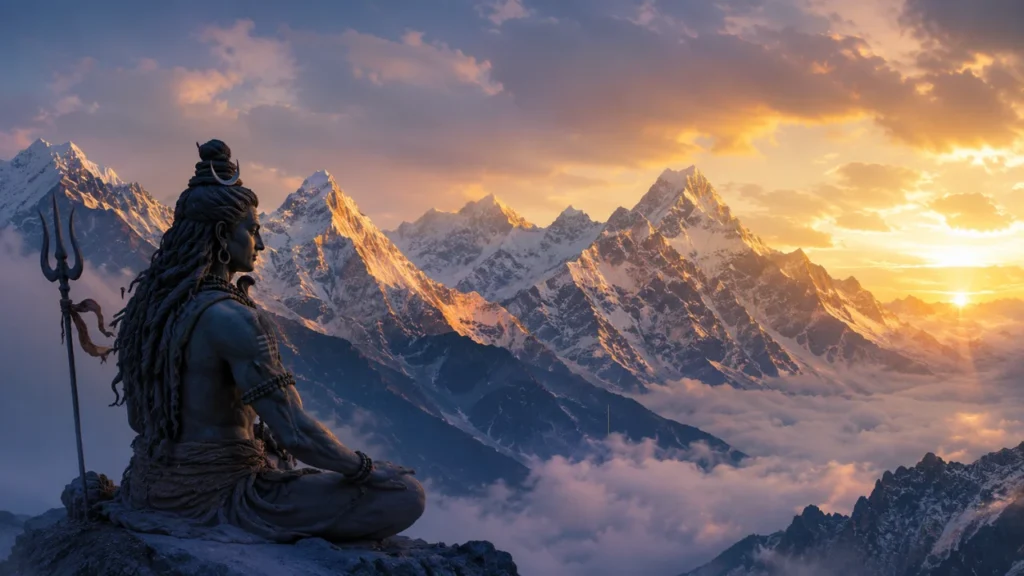
Shiva never chose heavenly palaces; instead, he chose silence.
The Himalayas perfectly reflect Shiva’s nature. They are calm but incredibly powerful. Storms come and go, yet they remain peaceful. Despite the changing world around them, they stand unaffected.
Ancient sages believed that deep meditation becomes easier in places where nature itself is quiet. That’s why the Himalayas became the ideal place for the greatest yogi.
Mountains remind us that true strength isn’t always loud. Sometimes, the strongest things stand silently for thousands of years.
The Panch Kailash
The five mountains that make up the Panch Kailash are:
| Kailash | State/Country | Approx. Height | Difficulty | Main Attraction |
|---|---|---|---|---|
| Mount Kailash | Tibet | 6,638 m | Moderate (Parikrama) | Home of Lord Shiva |
| Adi Kailash | Uttarakhand | 5,945 m | Moderate | Parvati Sarovar |
| Kinnaur Kailash | Himachal Pradesh | 6,050 m | Difficult | Natural Shiva Lingam |
| Shrikhand Mahadev | Himachal Pradesh | 5,227 m | Very Difficult | 72-ft Shiva Lingam |
| Manimahesh Kailash | Himachal Pradesh | 5,653 m | Moderate | Manimahesh Lake |
Mount Kailash
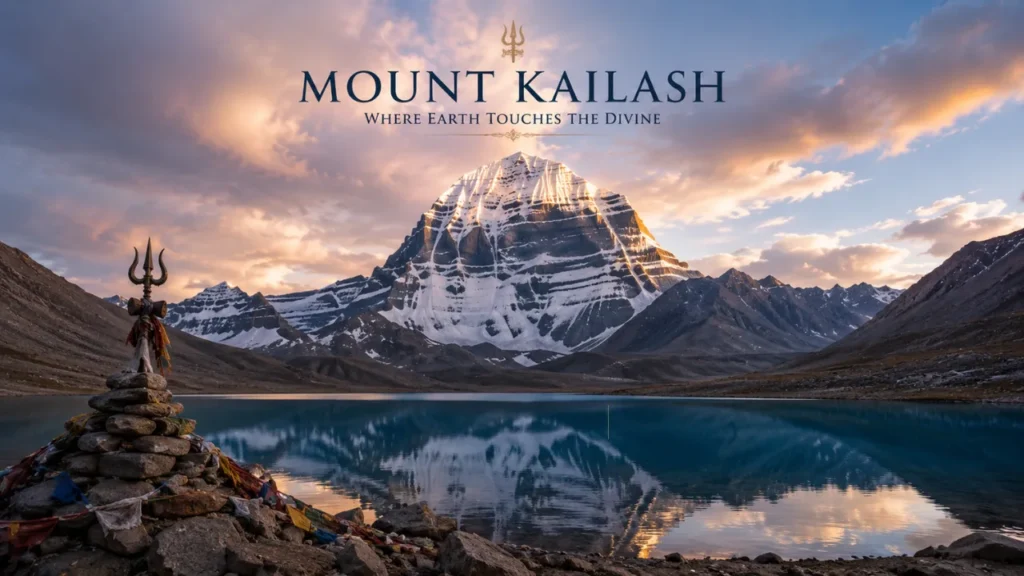
Mount Kailash is the heart of Panch Kailash and is considered the earthly home of Lord Shiva.
Unlike many famous peaks, Mount Kailash is never climbed because of some scientific and spiritual reasons. Devotees believe that this mountain is so sacred that it is not possible to conquer it.
Instead of climbing it, people do the Mount Kailash Parikarma, which is around 52 km long around the mountain.
There are many unsolved mysteries associated with Mount Kailash and Manasarovar Lake.
The high altitude, harsh weather, and difficult paths gradually strip away pride and comfort. By the end of the journey, most people understand that nature is much greater than human success.
Maybe that’s why Mount Kailash teaches the most vital lesson—humility.
Adi Kailash
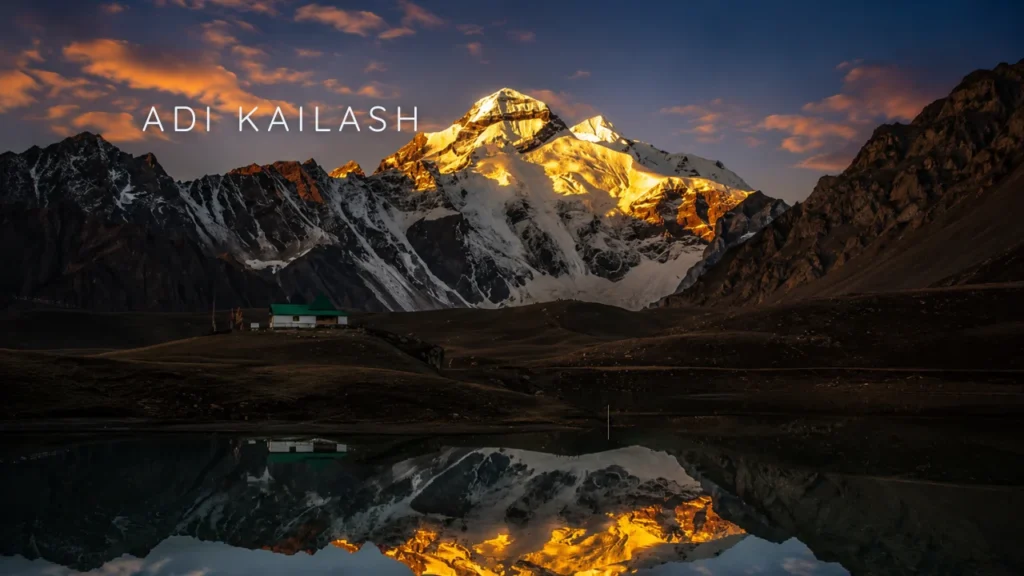
In Pithoragarh district of Uttarakhand, near the Indo-Tibet border, lies Adi Kailash, which is often called Chhota Kailash.
Smaller than Mount Kailash, but many devotees experienced the same kind of spiritual peace.
This road goes through lovely Himalayan villages, rivers, forests, and valleys. Every step feels like stepping into a quiet world where life slows down.
The main attractions are Parvati Sarovar, which beautifully reflects Adi Kailash on clear days, and Om Parvat, famous for the natural formation of Om on its dark rock surface (about 70–80 km from Adi Kailash).
For many Indian devotees who cannot travel to Tibet, Adi Kailash becomes a very emotional alternative that makes one feel very close to the presence of Shiva.
Kinnaur Kailash
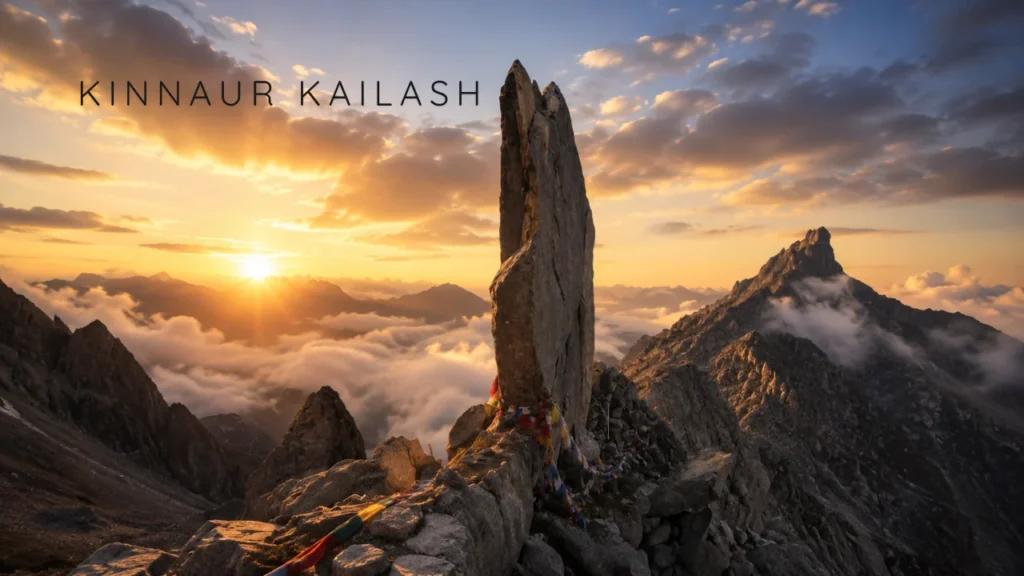
Himachal Pradesh has the Kinnaur Kailash, famous for its tall natural rock pillar, which is considered a symbol of Lord Shiva.
The journey to this sacred site is not easy.
It tests our physical strength as well as mental determination through the steep mountain trails, rocky paths, and high-altitude terrain.
Yet every year, thousands of devotees make the journey.
This climb teaches that faith is rarely comfortable and often asks us to keep moving even when the path feels impossible.
Shrikhand Mahadev
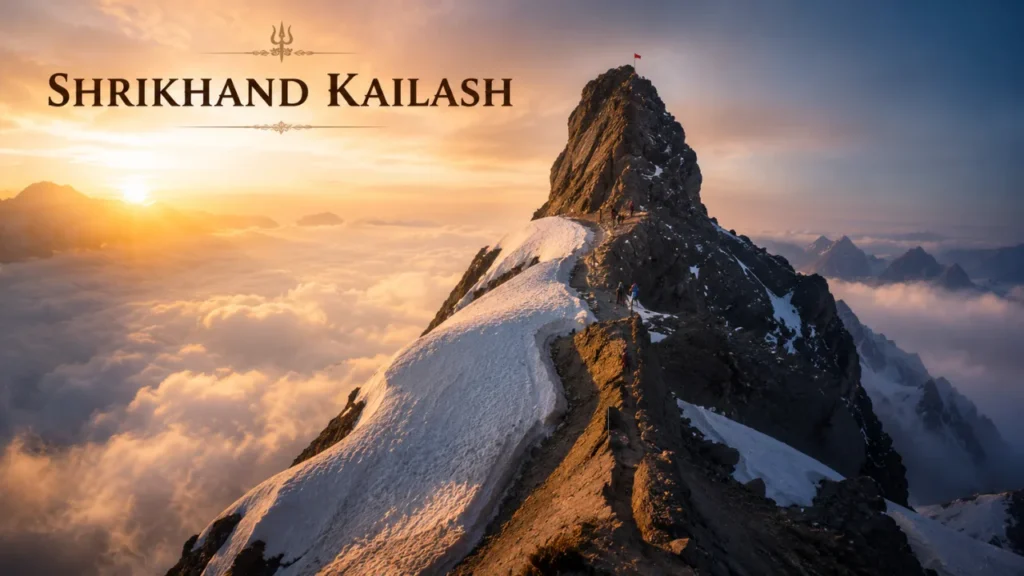
If one pilgrimage truly tests a devotee’s determination, it is Shrikhand Mahadev.
Often regarded as one of the hardest pilgrimages in India, the route goes through glaciers, steep climbs, narrow paths, and unpredictable mountain weather.
At the summit is a huge natural Shiva lingam, believed to be about 72 feet high.
Many pilgrims say the hardest part isn’t the mountain but the inner voice telling them to give up. Those who finally reach the summit often report a greater sense of gratitude than triumph.
Perhaps this is Shiva’s purpose—to replace ego with devotion.
Manimahesh Kailash
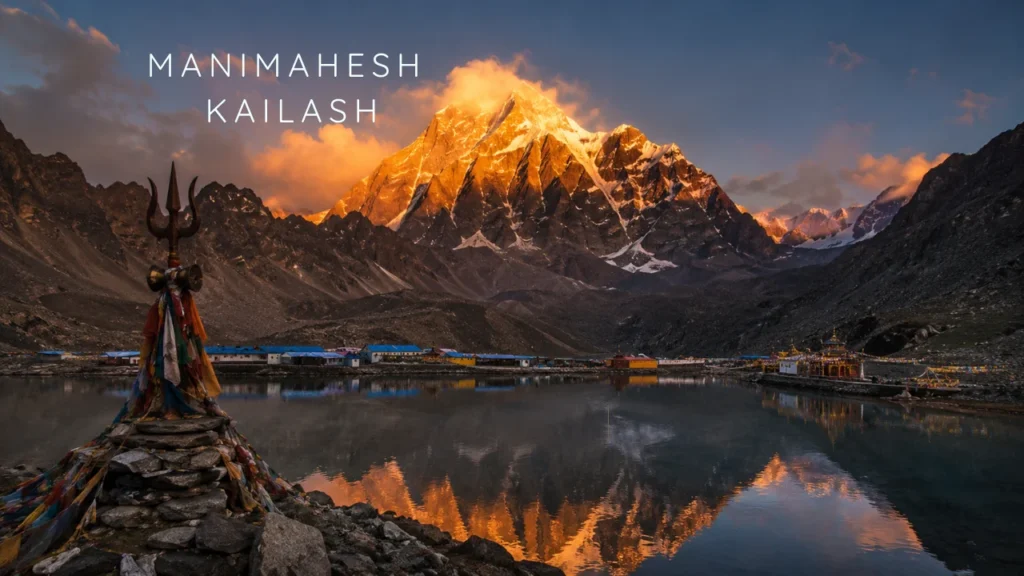
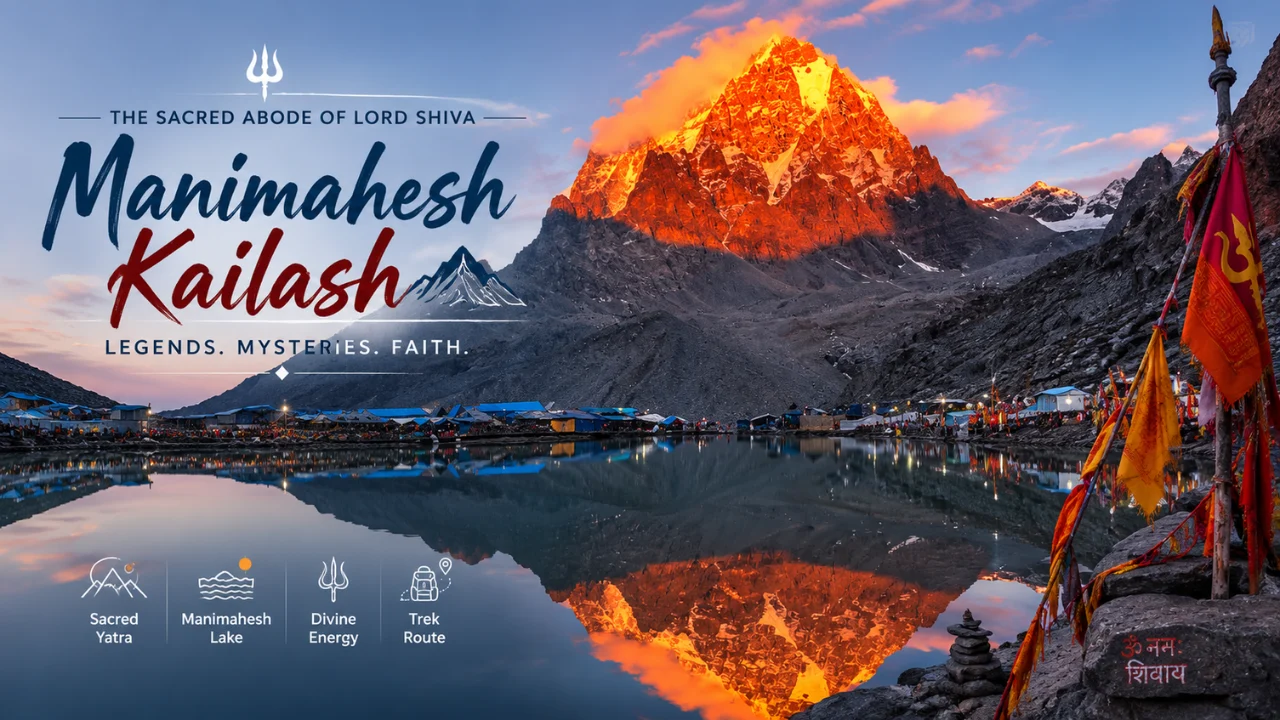
Manimahesh Kailash is located in the Chamba region of Himachal Pradesh, and its image is beautifully mirrored in the crystal-clear waters of Manimahesh Lake.
According to local beliefs, Lord Shiva meditated here after marrying Goddess Parvati.
Every year during the Manimahesh Yatra, thousands of devotees take a holy dip in the lake before performing puja.
It doesn’t challenge our physical strength much; instead, it is remembered for its peaceful atmosphere. It gifts us an unusual calm that we can’t find in our daily lives.
Sometimes the greatest spiritual experiences arise not from action but from stillness.
Why Millions Dream of Visiting Panch Kailash
Very few people finish all five pilgrimages. Some don’t have the time. Others fight through rough terrain or changing weather. Yet, the dream lives on.
People save money for years, prepare physically, and patiently wait for the right opportunity because they believe these journeys offer something that ordinary vacations never can.
They return not only with photographs but also with quieter minds, stronger faith, and stories they carry for the rest of their lives.
Conclusion
Panch Kailash teaches surrender, patience, endurance, and unbreakable faith.
Whether you complete all five pilgrimages one day or just read about them from afar, these mountains leave a lasting impression—reminding us that true spirituality isn’t measured by the distance we travel but by the depth of our transformation.
And this is the real blessing of Panch Kailash.