
In Hindu tradition, remembering our ancestors and showing gratitude towards them is done in a very special way.
Shradh, Tarpan, and Pind Daan are important rituals in Hindu customs. Families often perform these ceremonies for deceased family members, especially during Pitru Paksha, which is traditionally a period for remembering and paying respects to one’s ancestors.
While these rituals can be performed at home, certain places across India are considered especially sacred for ancestral rites. So there are 12 important places in India where people traditionally perform Pind Daan and Shradh rituals.
Table of Contents
What is Pind Daan?
Shradh is a traditional ritual in Hinduism, which is performed by the family members with devotion and respect for one’s ancestors (pitrs). It is generally done during Pitru Paksha on a specific lunar date associated with the ancestor’s death.
Pind Daan includes offerings of pindas, which are traditionally prepared using rice, milk, ghee, sesame seeds, honey, or other prescribed items according to custom. This is part of the ancestral rites.
Gaya, Bihar
Gaya is located on the banks of the Falgu River and has been an important pilgrimage center for ancestral rituals for centuries. This city is linked to numerous Hindu traditional stories and is particularly famous for the Vishnupad Temple, Akshay Vat, Ramshila Hill, and Sita Kund.
According to traditional belief, Lord Rama performed Pind Daan for his father King Dasharatha at this place. The story of Sita performing Pind Daan at Sita Kund is also deeply connected to this city.
For many families, visiting Gaya for the ancestral rituals is an important religious journey.
Varanasi, Uttar Pradesh
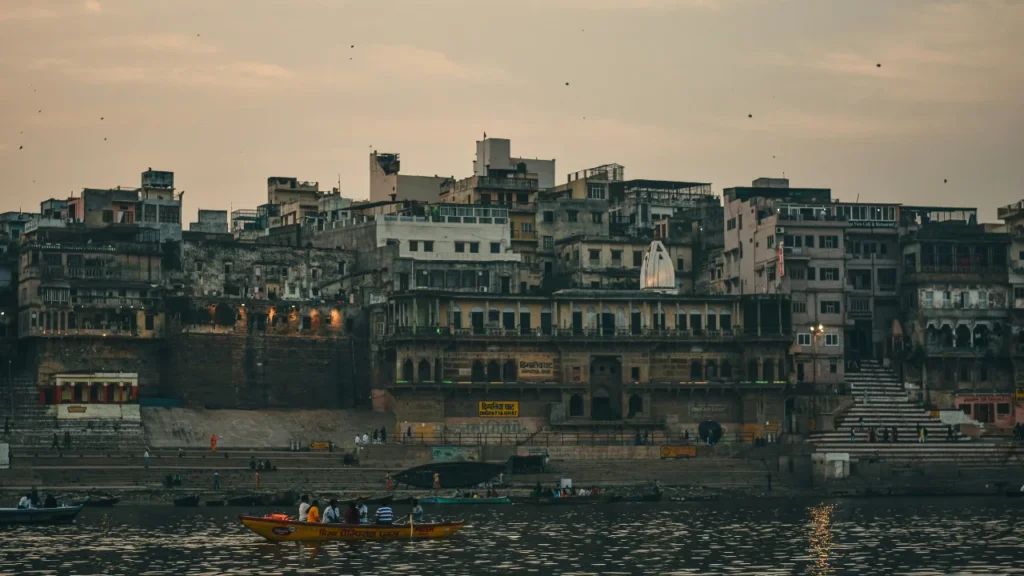
The ancient city of Varanasi, also known as Kashi, holds great spiritual significance in Hindu traditions. For generations, the ghats are closely associated with rituals connected with life, death and remembrance.
Families can come to Varanasi to perform Tarpan, Shradh and other ancestral rituals, depending on their tradition and guidance from local priests.
The Manikarnika Ghat is the most prominent place in the city for the rituals of Shradh.
Prayagraj, Uttar Pradesh
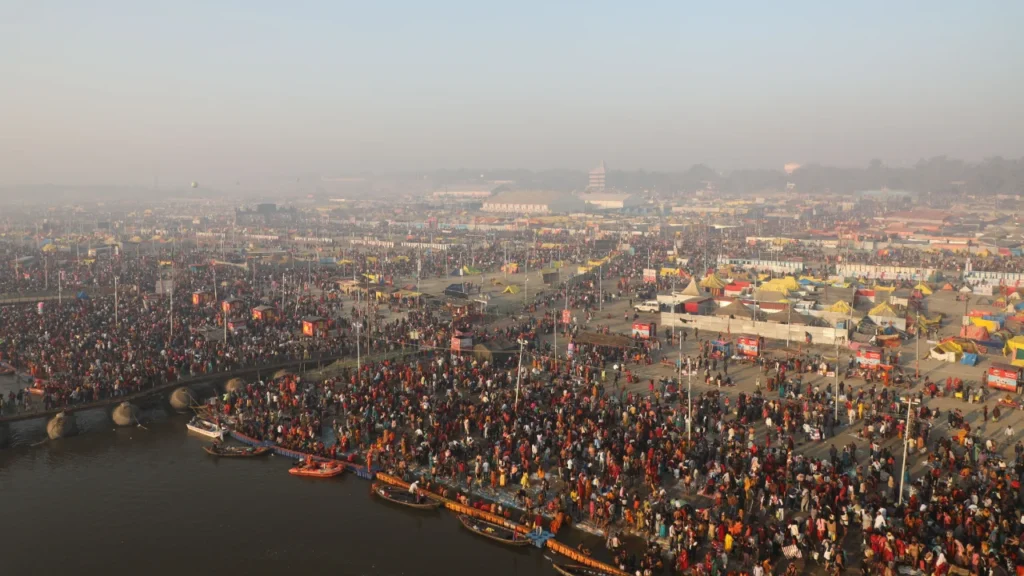
Prayagraj is famous for Triveni Sangam, where the Ganga, Yamuna and mythical Saraswati rivers meet. The Sangam has been an important pilgrimage destination for centuries, and for ancestral rituals, it’s a significant place.
It is believed that performing Pind Daan and Tarpan at Triveni Sangam gives salvation and peace to the soul.
Haridwar, Uttarakhand
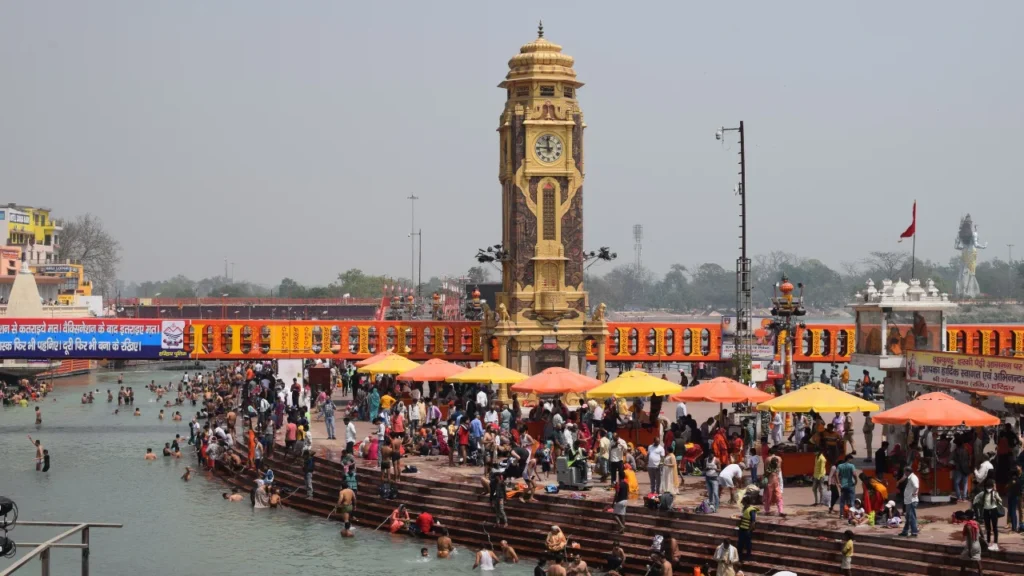
Haridwar is another major pilgrimage destination where families perform rituals for their ancestors. Located around the sacred Ganges, the city is famous for Har Ki Pauri, which is one of the most significant ghats here.
However, Kushavart Ghat (also known as Kusha Ghat) is most famous for the Shradh rituals. Families perform rites here for the peace of their departed loved ones.
Pehowa, Haryana
Pehowa is an ancient pilgrimage town in Haryana, having an important connection with Shradh and Pind Daan. Situated on the banks of the Sarasvati River, it is traditionally associated with rituals performed for ancestors.
It is believed that King Prithu was the first to perform the Shradh for his father, and after the Mahabharata war, the Pandavas also performed Shrad here.
Badrinath, Uttarakhand
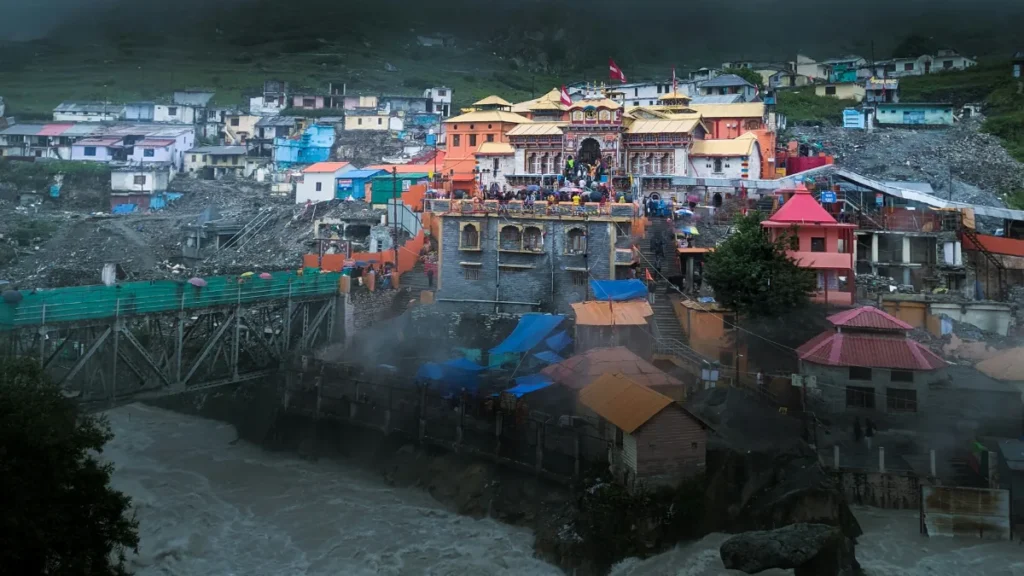
Badrinath is a high-altitude pilgrimage site, and the temple area is not accessible throughout the year. The pilgrimage season is generally in the warmer months and is closed in winter due to heavy snowfall.
It’s a unique destination for the Pind Daan. Here the Shradh rituals are performed at the sacred Brahma Kapal Ghat, which is located on the banks of the Alakhananda River.
It is traditionally regarded as an important place for performing Tarpan and Pind Daan for ancestors.
Kurukshetra, Haryana
Kurukshetra is famous as the site of the epic Mahabharata war and the place associated with the teachings of the Bhagavad Gita.
This region features many holy shrines and water bodies traditionally used for religious rituals. Sannihit Sarovar is one of the important sites associated with the Pind Daan ritual.
Siddhpur, Gujarat
Siddhpur in Gujarat has a special connection with the rituals performed in the memory of the mother. It is also known as Matru Gaya or the Gaya associated with the mother.
This town sits on the banks of the Saraswati River and is an important pilgrimage destination in Gujarat. Bindu Sarovar is a sacred water tank here, which is one of the five sacred Panch Sarovars in Hindu mythology. It is believed that Lord Parshuram performed the Pind Daan for his mother here.
Ujjain, Madhya Pradesh
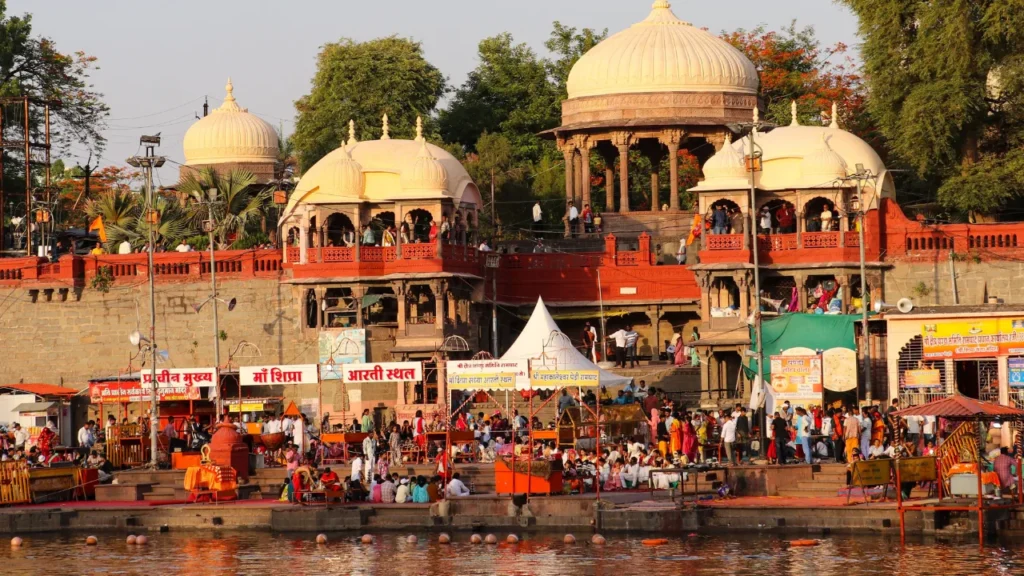
Ujjain is one of India’s oldest sacred cities and is famous for the Shipra River and the Mahakaleshwar Temple. This city has historically been a major Hindu pilgrimage site, with numerous religious ceremonies held on the banks of the Shipra River.
During Pitru Paksha, Shradh arrangements are made across the ghats for the ancestral rites.
Pushkar, Rajasthan
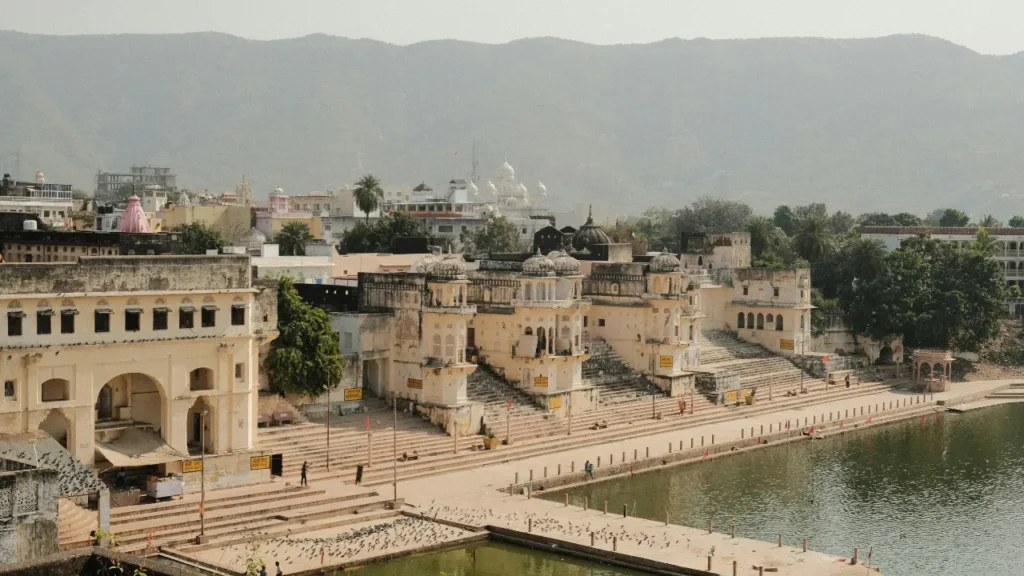
Pushkar is an important pilgrimage destination for Hindu rituals, especially famous for the only Brahma Temple in the world. Apart from this, it is also a prominent place to perform the rituals of Pind Daan and Tarpan.
For generations, families perform Shradh rituals at the ghats of the Brahma Sarovar. According to mythology, performing the Shradh ceremony here helps ancestors to attain salvation.
Nashik–Trimbakeshwar, Maharashtra
Nashik and Trimbakeshwar hold an important place in Hindu pilgrimage traditions. They are considered among the most sacred destinations in India for performing these rites.
The region is connected with the origin of the Godavari River and is home to the famous Trimbakeshwar Jyotirlinga. Some families also perform their ancestral ceremonies at the Ramkund and Kushavarta Kund.
Trimbakeshwar is also known for rituals like Narayan Nagbali, which are different from the common Shradh or Pind Daan.
Rameshwaram, Tamil Nadu
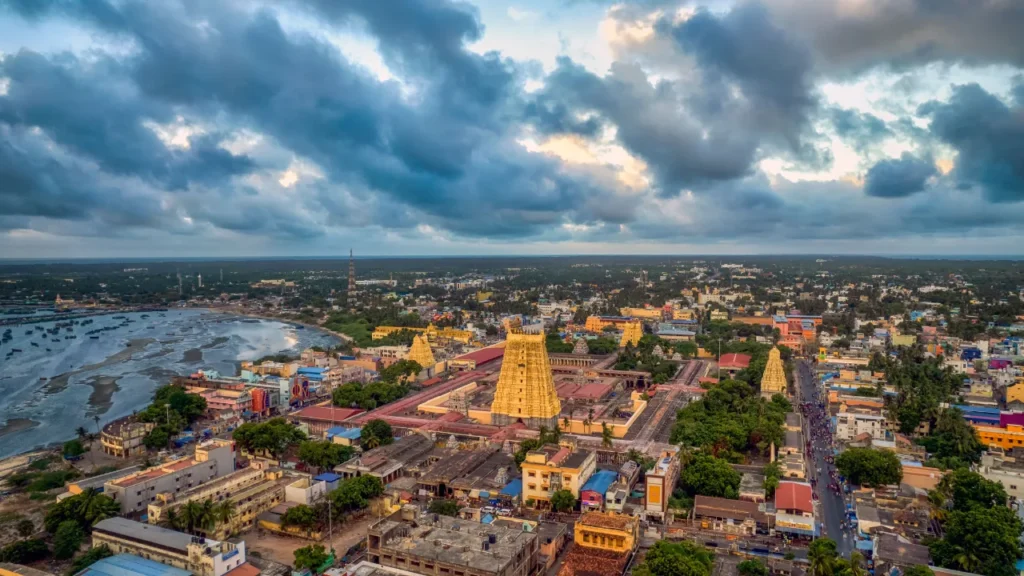
In Hindu mythology, Rameshwaram is considered one among the supreme Moksha Sthala for performing the Shradh rituals. It is believed that it provides liberation to the soul of ancestors.
As per Hindu tradition, after the war in Lanka, Lord Rama worshipped Shiva at this place to cleanse himself of the heavy burden of his deeds; that’s why this place is considered a powerful site for washing away sins.
Families from southern and central India perform bathing rituals at wells and seas. Prayers and various ancestral rites are done in traditional ways.