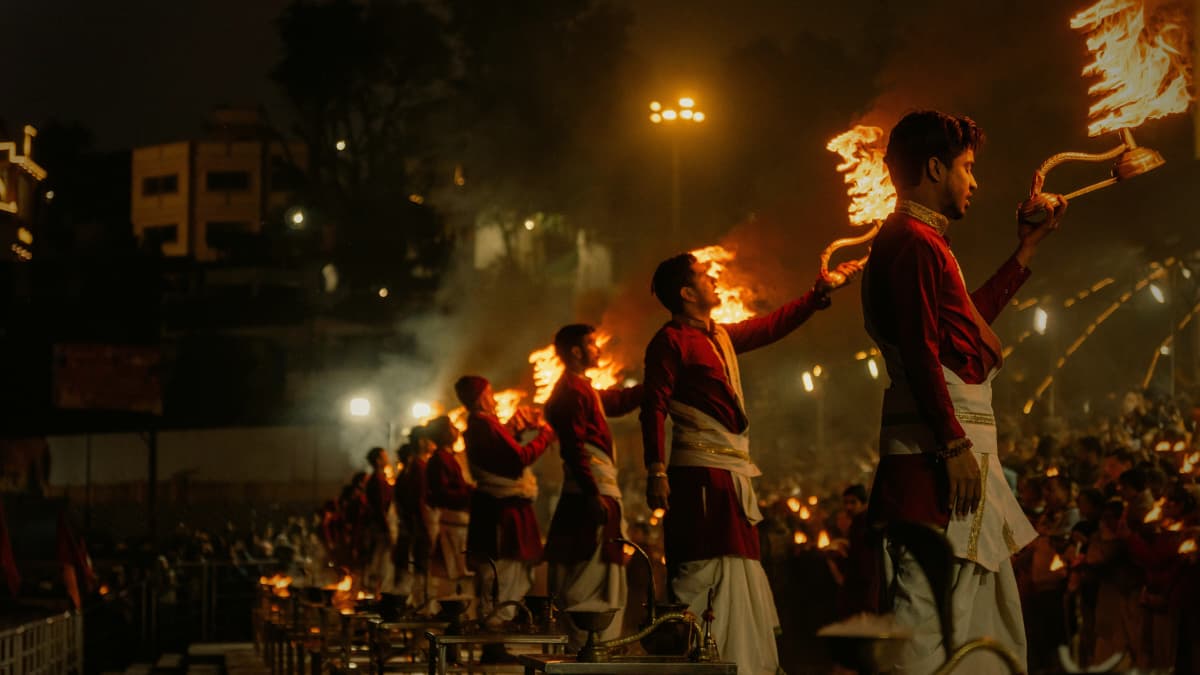
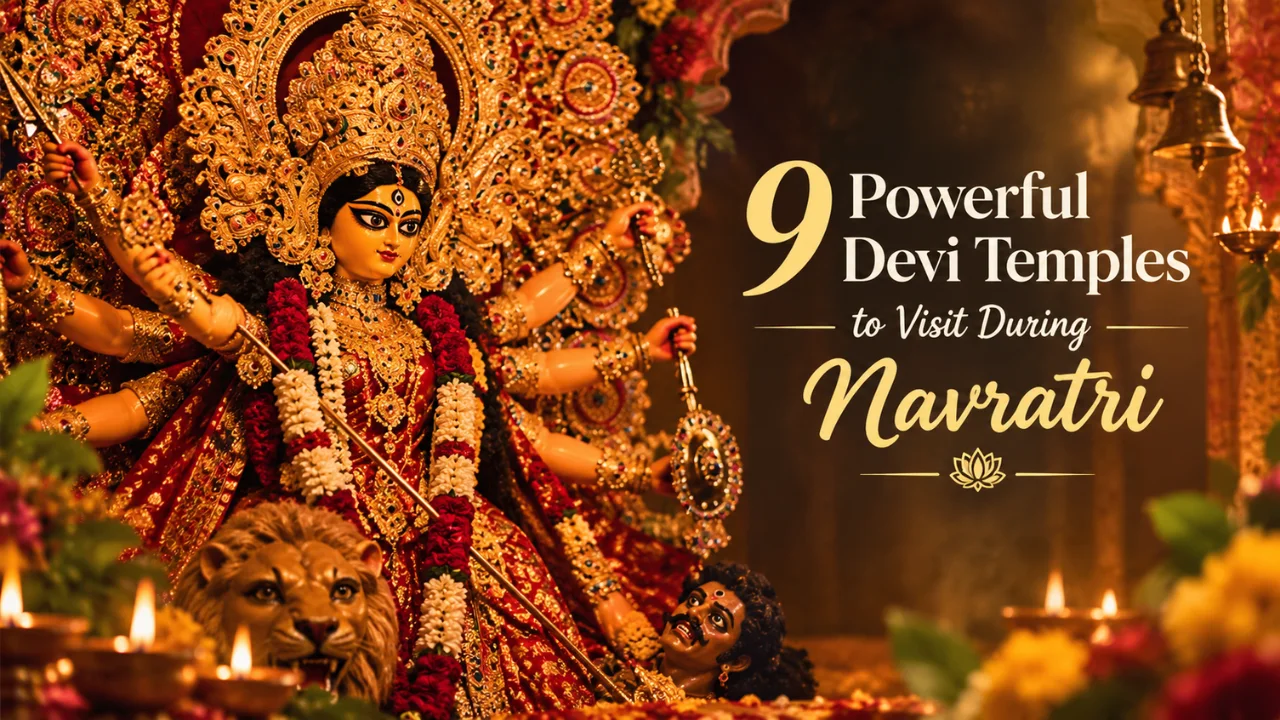
Navratri is one of the most beautiful times to visit a Devi temple. The atmosphere is totally amazing during these nine days. Temples are decorated with flowers and lights, devotees come for darshan, and the sounds of aarti and devotional songs fill the air.
In India, there are various temples dedicated to different forms of Shakti. Some of them are known for their rich history, some for the powerful divine energy, and some for the faith of their devotees. Here are the 9 powerful Devi Temples that you can visit this Navratri and experience this beautiful festival.
Table of Contents
Kamakhya Devi Temple
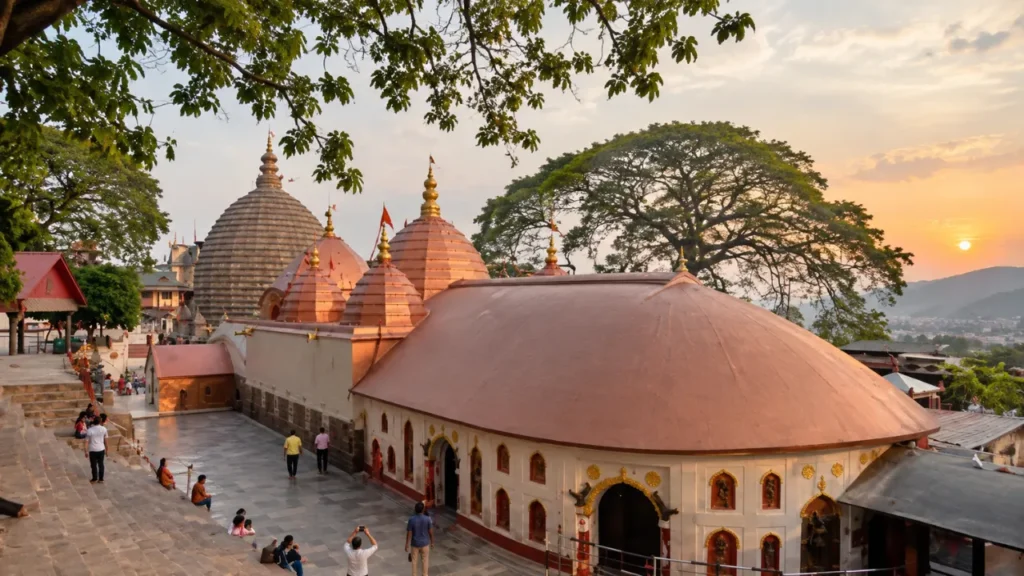
It is one of the most important Shakti Temples in India. Located in the Nilachal Hill in Guwahati, this temple is deeply connected with the worship of Shakti.
Here, devotees worship the divine feminine power of creation and fertility. The temple is especially known for its ancient traditions and unique form of worship.
In Hindu tradition, Kamakhya is one of the Shakti Peeths, believed to be connected to the story of Goddess Sati and Lord Shiva.
In Navratri, devotees visit the temple to seek the blessings of Maa Kamakhya. The surrounding becomes especially devotional, filled with prayers and traditional rituals.
Chamunda Devi Temple
Situated near the beautiful Dhauladhar mountains, Chamunda Devi Temple is a holy shrine dedicated to Maa Chamunda, the fierce form of Goddess Durga.
According to Hindu mythology, Goddess Chamunda is associated with the defeat of the demons Chanda and Munda. Her form represents the powerful side of the Divine Mother.
Navratri is a special time to offer prayers to Maa Chamunda. Devotees come here to seek blessings, courage and protection.
Vaishno Devi Temple
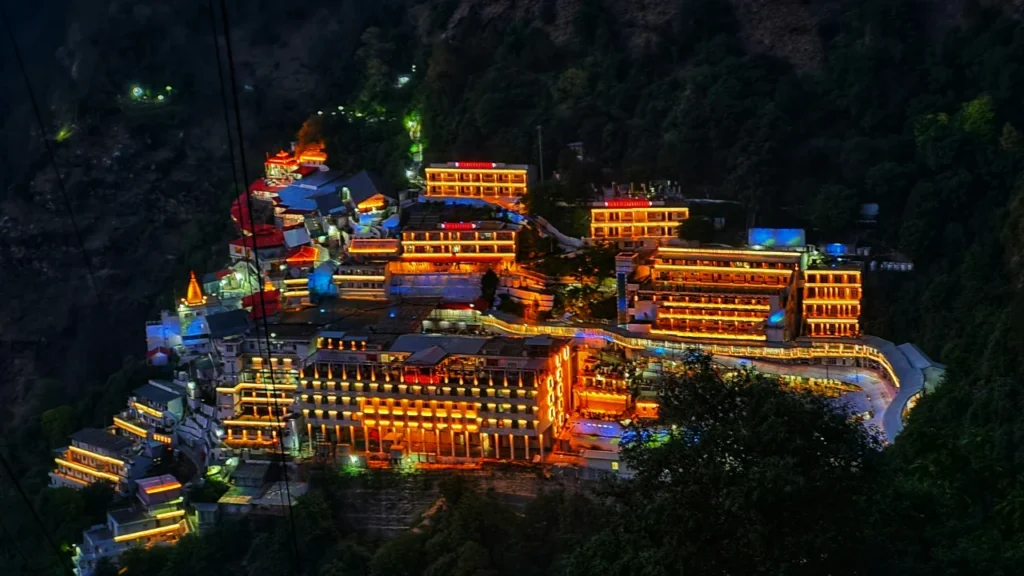
This is one of the famous Shakti temples in India. Located in the Trikuta Hills, this sacred temple attracts millions of devotees every year.
Devotees walk long distances to reach the holy cave where Maa Vaishno is worshipped in the pindis form. Maa Vaishno is considered the divine incarnation of the three supreme goddesses—Maa Kali, Maa Lakshmi, and Maa Saraswati.
Navratri is a special time at Vaishno Devi. The temple is beautifully decorated, the tunes of devotional songs resonate throughout the area, and the entire pilgrimage route seems to be filled with spiritual energy.
Mansa Devi Temple
Mansa Devi is one of the most visited temples in Haridwar, located on the sacred Bilwa Parvat with beautiful surroundings.
Maa Mansa Devi is traditionally considered a goddess who grants the true desires of her devotees. The name Mansa is often associated with the word manas, which means mind or desire.
This temple is also a part of the famous Siddha Peeth temples of Haridwar, along with Chandi Devi Temple and Maya Devi Temple.
Devotees visit this temple to pray for happiness, prosperity, and the fulfillment of their wishes. You can reach there by trekking up the hill or using the ropeway.
Ambaji Temple
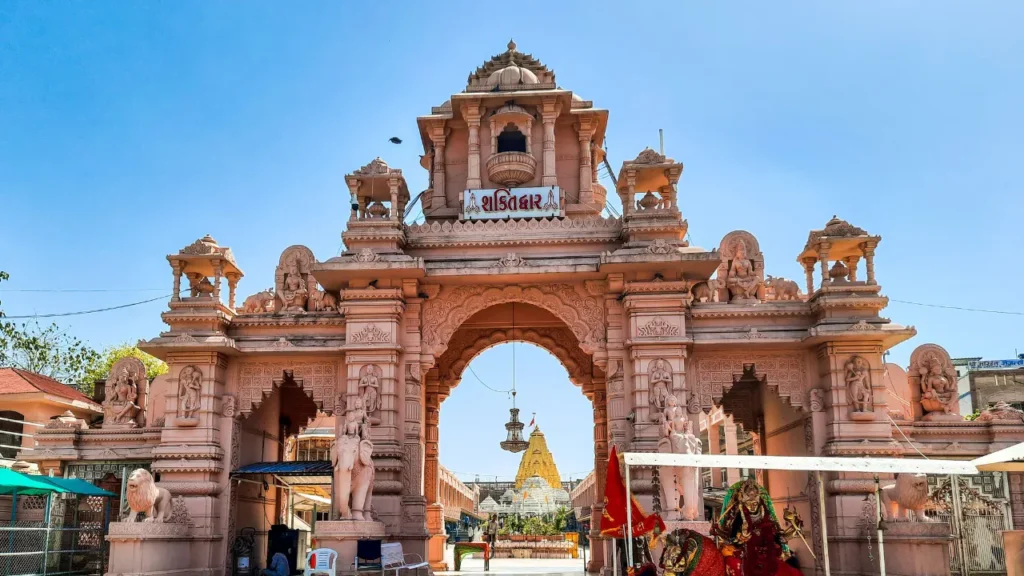
Ambaji Temple is one of the most important Shakti temples in Gujarat. It is dedicated to Maa Amba, a form of the Divine Mother.
This temple is believed to be one of the main Shakti Peethas. Unlike many temples, the main temple traditionally does not have a traditional idol. Devotees worship a sacred symbol called the Shri Yantra.
The traditional Garba dancing at Chachar Chowk is the special feature during Navratri. A large crowd of devotees gathers at this major center of devotion during this period.
Meenakshi Amman Temple
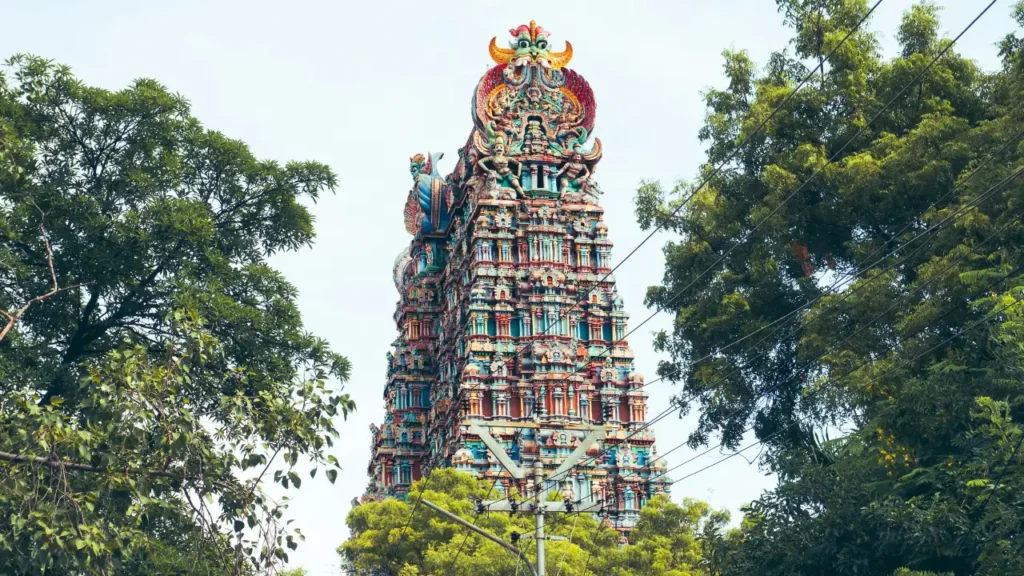
Meenakshi Amman Temple is one of the most beautiful and famous temples in South India. Located in the ancient temple city of Madhurai, it is dedicated to Goddess Meenakshi (an avatar of Maa Parvati) and her consort Lord Sundareswarar (a form of Lord Shiva).
The temple comes alive with the grand celebrations during these nine nights dedicated to the divine feminine. It is a wonderful place to experience the spiritual and cultural beauty of Tamil Nadu.
Tulja Bhavani Temple
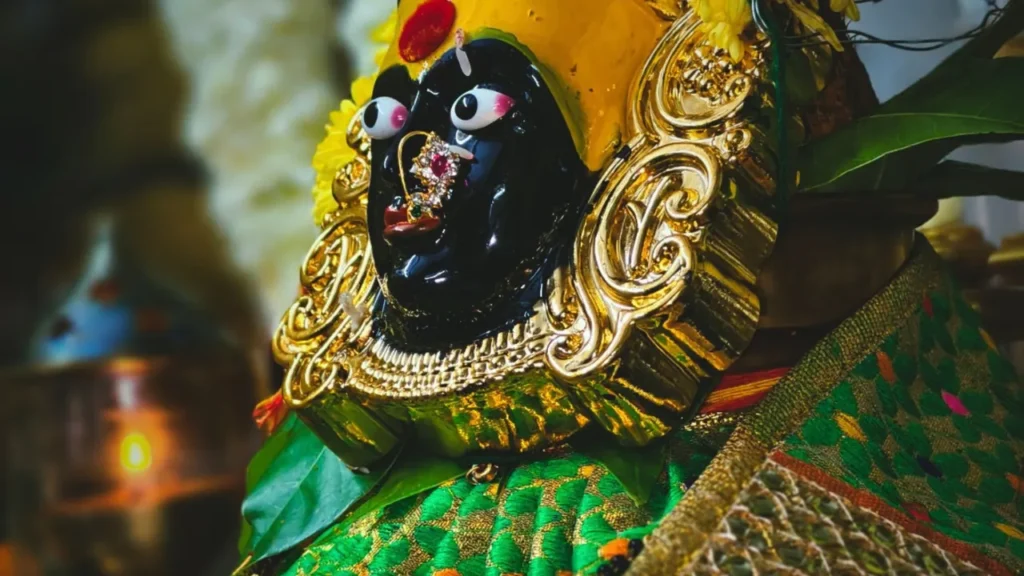
This 12th-century historic temple is one of the most important Devi temples in Maharashtra, located in Tuljapur of Dharashiv district. Maa Tulja Bhavani is worshipped as a powerful form of Goddess Durga and is deeply respected by devotees.
This temple has a very old history and is especially important in the religious traditions of Maharashtra. It is also considered one of the major Shakti Peethas and the Kuldevi of the Bhosale royal family.
Navratri is the beautiful period to experience the full vibe of this sacred place.
Dakshineswar Kali Temple
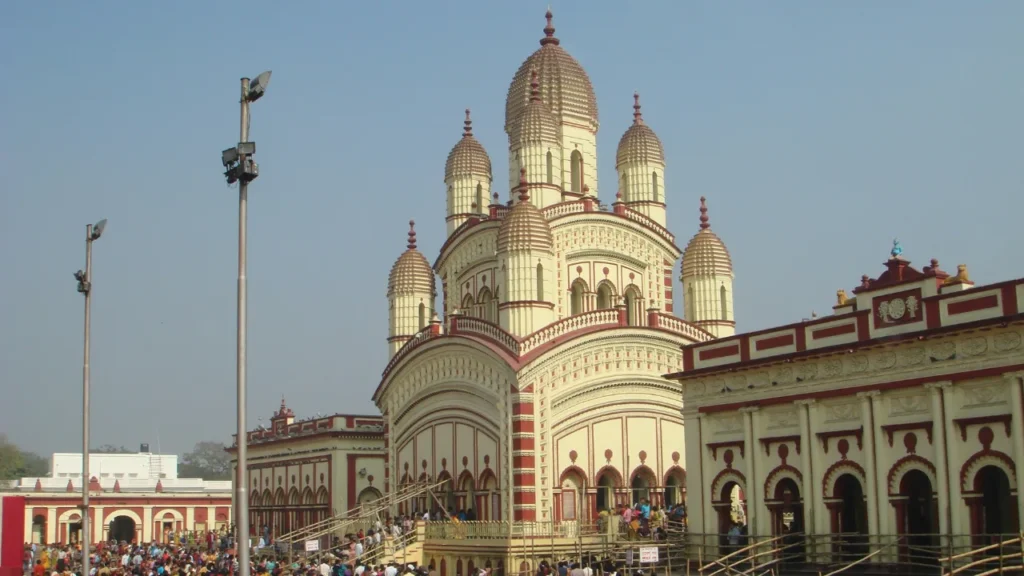
One of the most famous temples dedicated to Maa Kali in India, located on the eastern bank of the Hooghly River, the temple is known for its beautiful architecture and deep spiritual history.
Built in the 19th century by Rani Rashmoni, this temple has deep connections to the life and teachings of Sri Ramakrishna Paramahamsa.
Here Maa Kali is worshipped in the form of Bhavatarini, a form of the Goddess that is believed to help devotees overcome the difficulties of worldly life. The peaceful surroundings and devotional atmosphere, especially during Navratri, offer a rare chance to enjoy the full vibe of the festival.
Jwala Ji Temple
It is popularly known as Jwalamukhi Temple, located in the Kangra district of Himachal Pradesh. This Hindu pilgrimage is dedicated to the eternal flames, which are worshipped as manifestations of the Goddess.
It is counted among the 51 Shakti Peethas where the tongue of Goddess Sati is believed to have fallen. Inside the temple, devotees offer prayers to the flames rather than to a traditional idol.
Navratri is an important time to seek the blessings of Maa Jwala. Devotees visit the temple to offer prayers and experience its unique spiritual traditions.
Final Thoughts
Every Devi temple has a different story, but the feeling of devotion remains the same. During Navratri, these sacred places become even more special as devotees come together to seek blessings and celebrate the power of Maa Durga.
This Navratri, take a break from your busy life, seek the blessings of Maa Durga, and create memories that will last with you.